
Last updated October 15, 2026
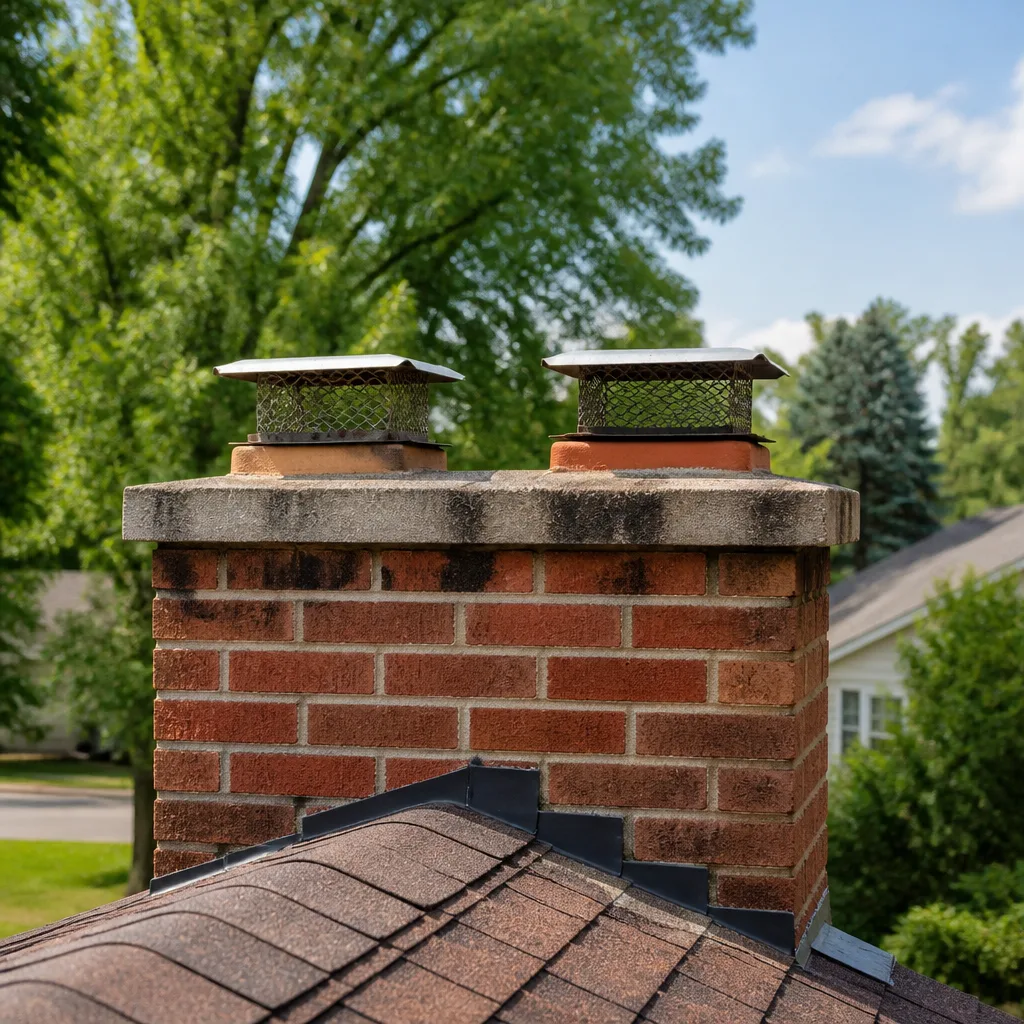 Sweep & inspection
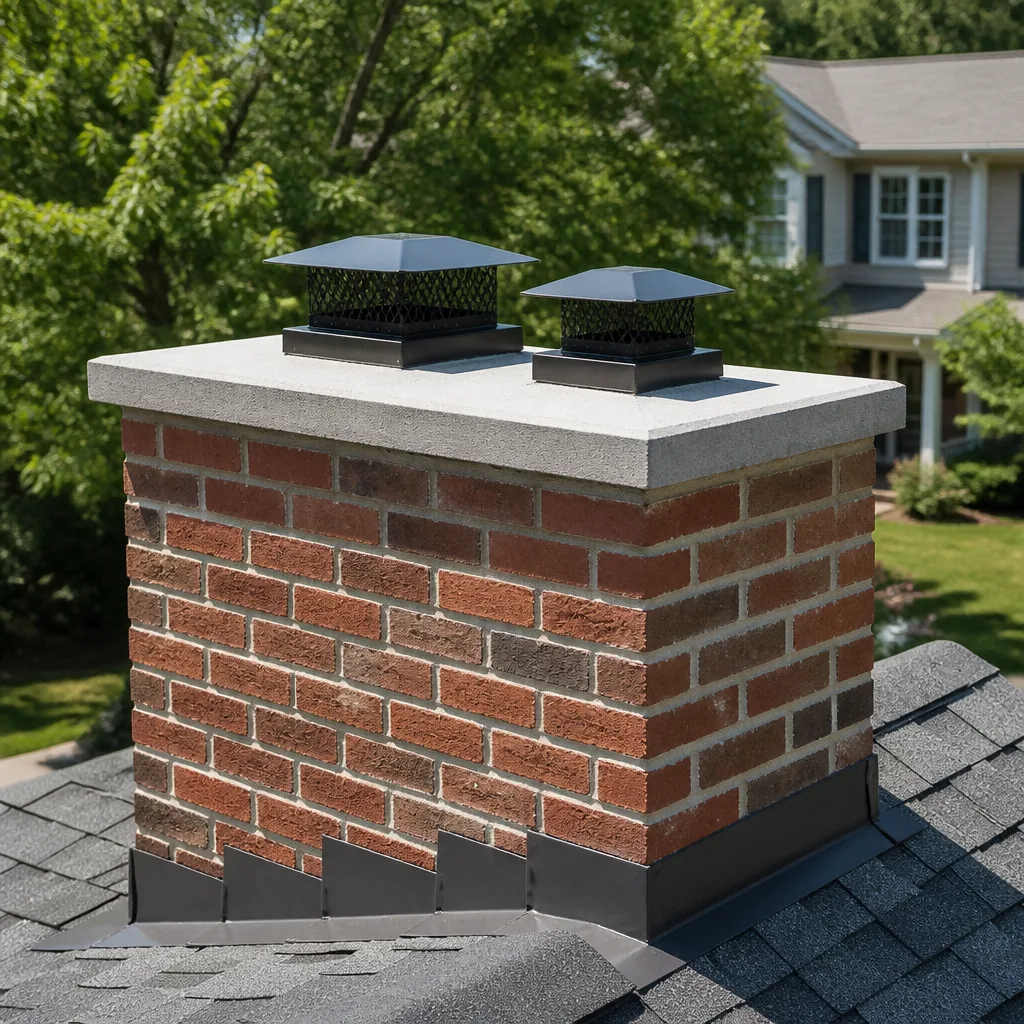 Caps & crowns
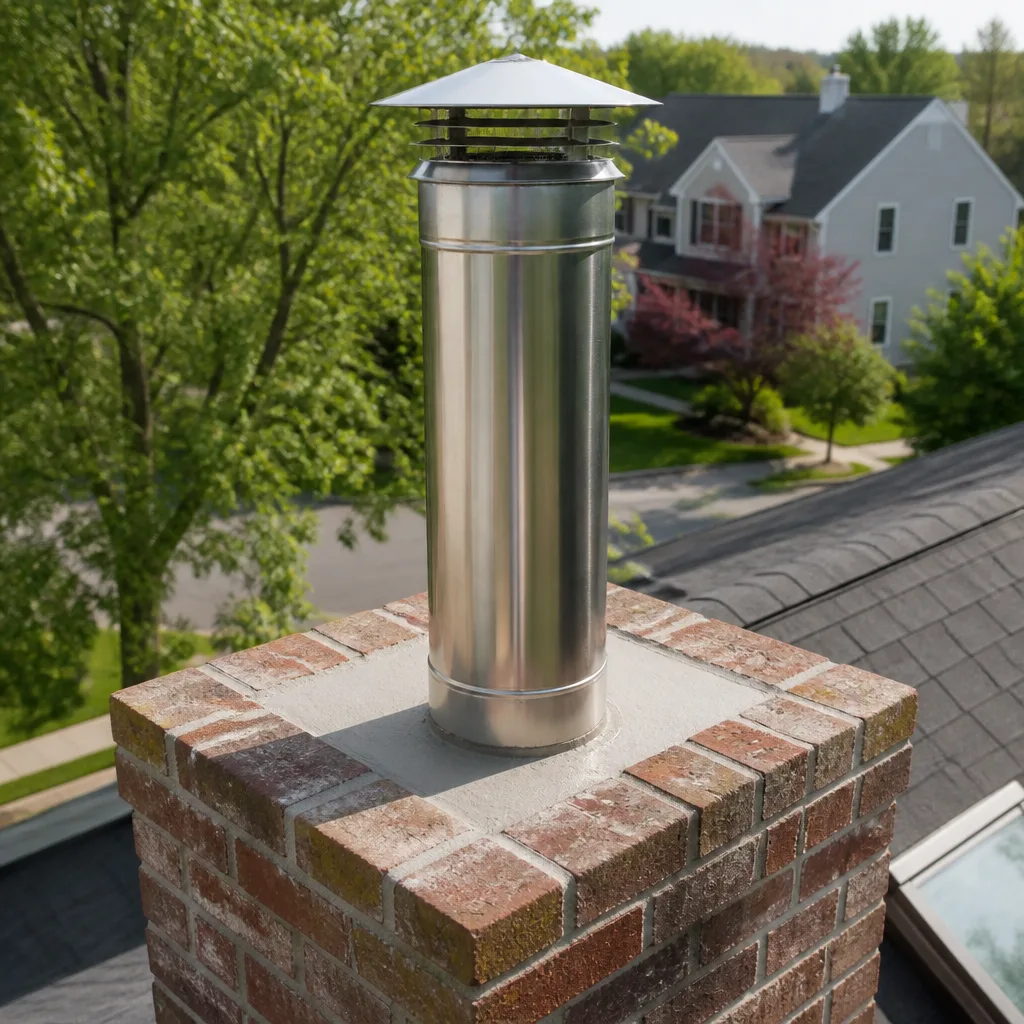 Flue relining
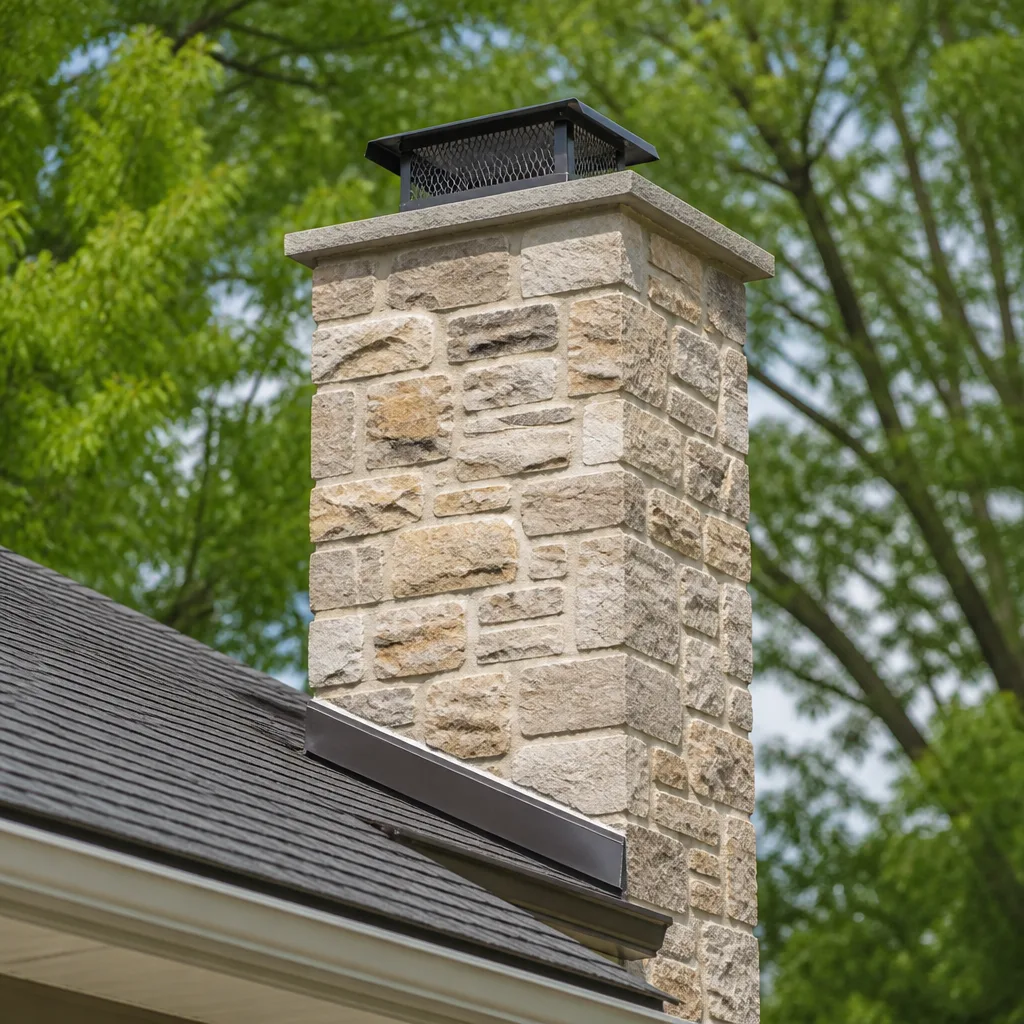 Masonry repair
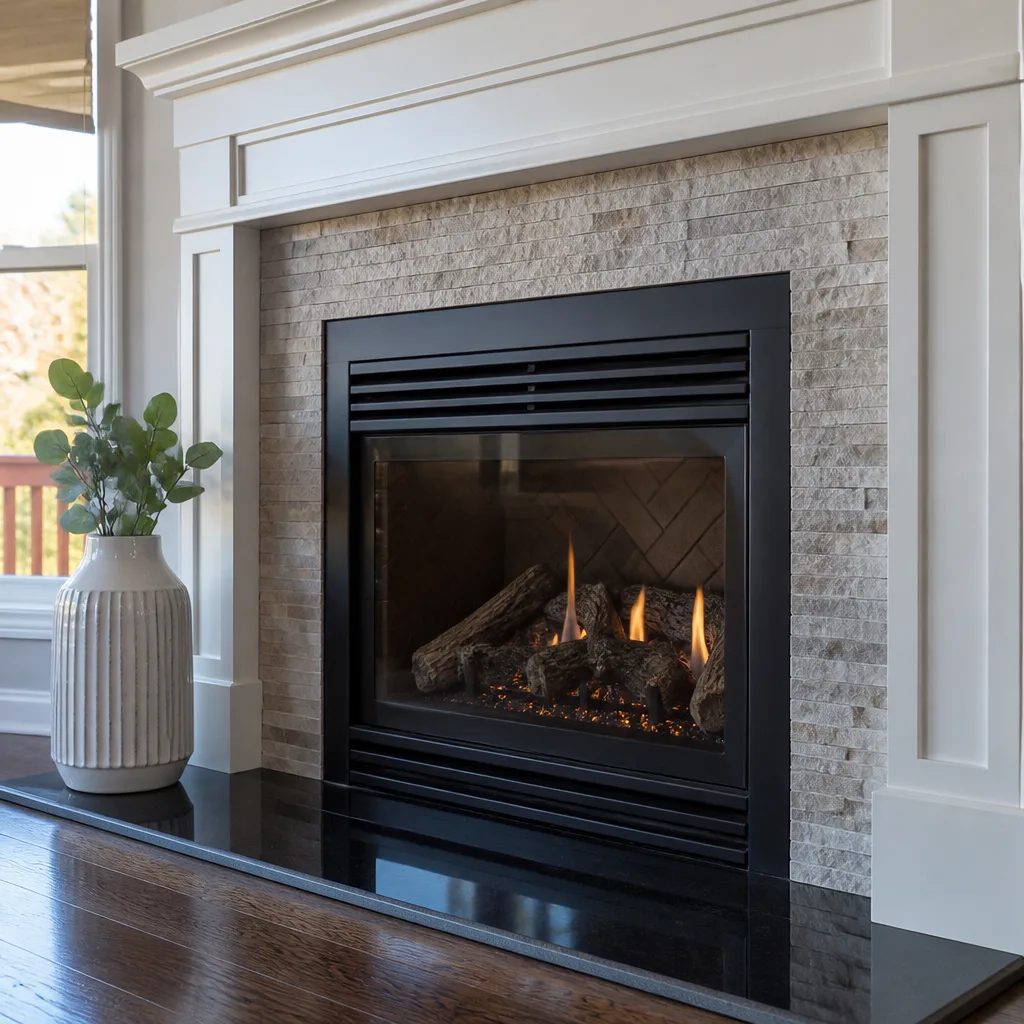 Gas fireplace service
Level 1 sweep and inspection to the NFPA 211 annual standard - flue, crown, cap, and flashing checked and photographed
Chimney sweep logs do not sweep chimneys. They loosen some creosote - which then falls where a brush and vacuum still have to collect it.
How to Hire a Chimney Cleaning Contractor in Miami: A Step-by-Step Guide
There is no required license to call yourself a chimney sweep in Florida. None. The $89 special on the flyer stuck to your mailbox might be someone’s first time inside a flue. That’s the uncomfortable truth about the Miami chimney market, and it changes how you need to hire. This guide lays out the exact questions to ask, the red flags that send contractors running, and the verification steps that separate a professional who will protect your home from a handyman with a brush and a truck.
Quick Answer
To hire a chimney cleaning contractor in Miami, screen for CSIA certification and liability insurance before anything else, ask four specific questions on the phone (detailed below), require a written estimate with line items and scope language before any work starts, and verify reviews by looking for patterns of short, vague, five-star clusters. A professional Miami chimney sweep typically charges between $180 and $320 for a standard cleaning and inspection, and should commit to a real arrival window, not a four-hour block.
Styles & brands we work with
Table of Contents
- The Florida Licensing Reality: What Actually Matters
- The Four Questions to Ask on the Phone
- What a Written Estimate Must Contain
- The Arrival Window Standard
- How to Verify Miami Chimney Contractor Reviews
- Red Flags That Should End the Call Immediately
- What Happens During a Proper Chimney Cleaning
- Common Mistakes to Avoid
- When to Call a Professional
- Frequently Asked Questions
The Florida Licensing Reality: What Actually Matters
Florida does not require a specific license to clean chimneys. Not a state license, not a county certification, not a municipal permit. Anyone with a ladder and a wire brush can call themselves a chimney sweep in Miami and start booking jobs tomorrow. This is the single most important fact to understand before you start making calls, because it means the burden of verification falls entirely on you.
So what actually matters?
CSIA certification. The Chimney Safety Institute of America is the recognized credentialing body in the trade. A CSIA-certified sweep has passed a written exam covering fire codes, clearances, draft mechanics, and inspection standards, and they’re required to pursue continuing education. When you call a Miami chimney company, ask directly: “Is the technician who will come to my home CSIA-certified?” If the answer is anything other than an immediate yes, keep dialing.
Liability insurance. A chimney sweep working in your home without liability coverage is a financial risk you do not want. If a technician damages your roof, your flue, or your living room, you need to know there’s a policy that covers the repair. Ask for a certificate of insurance. A professional will send it without hesitation. A fly-by-night operator will change the subject.
Workers’ compensation. This one gets overlooked constantly. If an uninsured worker falls off your roof in Miami-Dade County, you can be held liable. A legitimate chimney company carries workers’ comp on every technician. Ask about it. The answer tells you a lot about how the company operates.
What about all those badges on the website? “Licensed, Bonded, Insured” across the top of a logo means nothing by itself. Vanity badges from online directories are not credentials. The only things that matter are CSIA certification, liability insurance, and workers’ comp. Everything else is decoration.
In our experience in Miami, we see the full range: companies with CSIA-certified techs, uniformed, insured, showing up in branded vans, and companies run out of the back of a pickup truck with a pressure washer in the bed next to the chimney brushes. The difference is obvious in person, but you should know before anyone arrives.
The Four Questions to Ask on the Phone
These four questions, asked in order, will separate professional chimney sweeps from bait-and-switch operators in about three minutes. You don’t need to be a chimney expert. You just need to listen to how the person on the other end answers.
- “Is the technician who will come to my home CSIA-certified?” A professional company answers yes without qualification. A bait-and-switch operator says things like “all our guys are trained” or “we’ve been doing this for years.” Trained by whom? Years doing what? Certification is the line.
- “Will you provide a written estimate before any work starts?” The correct answer is yes, always, no exceptions. If the person hedges, says “we’ll see when we get there,” or suggests the price will depend on what they find, that’s a door-opener strategy. The $89 special becomes $890 once they’re inside your flue.
- “What does your guarantee cover, and for how long?” A professional can answer this in one sentence because the guarantee is standardized and written down. If the answer is vague or the guarantee is verbal only, you’re not talking to a company that owns its work. A real guarantee has a duration and a scope.
- “Who answers the phone when I call?” If you’ve already reached the business and gotten a live person, that’s a good sign. Ask what happens if you need to reach them after hours. A professional chimney company has a live person answering the phone 24/7. If you’re routed to voicemail or a callback form during business hours, that’s a signal about how they’ll handle you when something goes wrong.
These questions work because they can’t be faked easily. A company either has CSIA certification or it doesn’t. It either puts prices in writing or it doesn’t. It either answers the phone or it lets it ring. You’re not testing salesmanship. You’re testing infrastructure.
What a Written Estimate Must Contain
A verbal quote is not an estimate. It’s a conversation. In Miami, where the chimney market is crowded with generalists, the written estimate is your single strongest protection against the price-switch at the door. Here’s what a legitimate written estimate from a professional chimney contractor contains, line by line.
Line items, not a lump sum. The estimate should break out the sweep separately from the inspection, and any recommended repairs should be itemized individually. You want to see exactly what you’re paying for. A single number with no breakdown gives the contractor room to inflate.
Scope language. What does the sweep include? Does the price cover the flue, the smoke chamber, the firebox, the damper? Does it include a camera inspection, or is that an add-on? The estimate should define the scope clearly enough that you could hand it to a second contractor and get an apples-to-apples comparison.
Guarantee terms in writing. If a repair is part of the scope, the estimate should state the guarantee period and what it covers. Not “we stand behind our work” in marketing language. Actual terms. For example: the Kingswell Guarantee covers any repair for the guarantee period; if the repair fails inside that window, the company returns and corrects it at no charge. That’s the language of a company that puts its money where its mouth is.
No blank spaces. If the estimate has room for add-ons that get filled in later, that’s a red flag. A professional writes the price before any work starts, and the number on the invoice matches the number on the estimate. This is the standard we operate by at Ashby Chimney Miami: written price before any work starts, always included, no exceptions.
What to do if a contractor refuses to put it in writing: End the call. Politely. There’s no reason a professional would refuse a written estimate. The only explanation is that the contractor wants the freedom to change the price once the work is underway. In a city like Miami, where the customer base includes a lot of absentee owners and snowbirds, the no-written-estimate operator thrives on exactly that ambiguity. Don’t feed it.
The Arrival Window Standard
A four-hour arrival window is a red flag. It says the company is routing technicians inefficiently, or the company doesn’t respect your time enough to commit to a real window. Either way, you’re being asked to burn a half day waiting for someone who may or may not show.
What should a professional commit to? A specific, reasonable window: two hours is standard in the trade, and the best companies narrow it further once the technician’s route is set for the day. When you book with a company that runs a tight schedule, they can tell you the tech will arrive between 9:00 and 10:30, and they can call or text when the tech is 20 minutes out.
In Miami, the arrival window matters more than in most markets because of the traffic. I-95, the Palmetto, the Dolphin Expressway: any of these can turn a 15-minute drive into an hour. A company that says “we’ll get there when we get there” is a company that hasn’t planned for Miami. A company that commits to a window and updates you en route has factored in the reality of the roads.
The Kingswell Way, the standard we operate by, says it directly: show up in the window. Not approximately. Not eventually. In the window. If the traffic in Miami makes that hard, that’s the company’s problem to solve, not yours to absorb.
How to Verify Miami Chimney Contractor Reviews
Fake reviews are an industry in Miami. A company can buy 50 five-star Google reviews for a couple hundred dollars, and the patterns are easy to spot if you know what to look for. Here’s how to verify that a Miami chimney contractor’s reviews are real.
Look for the pattern of vague five-stars. Fake reviews tend to be short, generic, and lack specifics. “Great service!” “Professional company!” “Would hire again!” No mention of the actual work done, the technician’s name, the state of the chimney, the price. Real reviews from real Miami homeowners describe what happened: “They swept the flue, showed me the camera footage, found a cracked tile, quoted the repair in writing, came back on Tuesday.” Specificity is the signature of a real review.
Check the reviewer’s profile. A reviewer with one review total, posted five months ago, with no other activity, is a bought review. A reviewer with a history of reviewing restaurants in Brickell, a dentist in Coral Gables, and a chimney sweep in Kendall is a real person. The pattern of the profile matters as much as the review itself.
Look at the negative reviews and the response. Every company gets a bad review eventually. The question is how the company responds. A professional responds calmly, addresses the specific complaint, and offers to make it right. A company that argues with the customer, gets defensive, or, worse, has no responses at all, is telling you how they’ll treat you when something goes wrong.
Watch for the burst pattern. 12 reviews in one week, then silence for six months, then another burst. That’s a purchase pattern. Real review velocity is steady: one or two a month, every month, for years. A company that’s been in business since 2002 should have a long tail of reviews stretching back across years, not a compressed cluster.
Yelp is different from Google. Yelp filters more aggressively, which means a company with 60 Yelp reviews and a 4.5-star average is generally more trustworthy than a company with 200 Google reviews and a 5.0 average. The inflation on Google is real. Cross-check between platforms.
What Happens During a Proper Chimney Cleaning
Understanding what a professional chimney cleaning actually involves helps you spot the shortcut operators. A real sweep in Miami takes 60 to 90 minutes and includes more than running a brush up the flue.
Protecting the home first. A professional lays drop cloths, covers the hearth, and runs a HEPA vacuum with a long hose to contain the soot and creosote that comes down during the sweep. If the technician walks in without floor protection, that’s a signal.
The sweep itself. Wire brush, poly brush, or rotary whip depending on the flue type; the goal is mechanical removal of creosote and soot from the flue walls. This is the core of the service. In Miami’s humid climate, creosote can be stickier and harder to remove than in dry climates, and a professional knows how to adjust.
The inspection. Every legitimate sweep includes a basic inspection. The technician looks for cracked flue tiles, deteriorating mortar joints, rusted dampers, animal nests, and improper clearances. This is where the camera comes in. A professional chimney company runs a camera up the flue to show you exactly what’s there, and should offer the footage as part of the report.
The report. You should receive a written report of what was found and what, if anything, needs attention. Not every finding is urgent. A professional tells you plainly when a repair can wait and when it can’t. The report should be specific: “Hairline crack in the third flue tile from the top, monitor at next year’s sweep” versus “Spalling in the smoke chamber, recommend HeatShield resurfacing within 12 months.” Specific language, written down, with a recommendation attached.
Cleanup. The company leaves the firebox cleaner than they found it. Ashby carries ash right in the name, fitting for the people whose job is to clean it out. If the technician leaves soot on the hearth and a drop cloth full of debris, that’s the mark of an operator who doesn’t think he’ll be called back.
Red Flags That Should End the Call Immediately
Some signals are bright enough that you don’t need to wait for the estimate. These are the red flags that should end the phone call in the moment.
- The $89 special. A sweep under $150 in Miami is either a loss leader designed to get inside your house and upsell you on thousands in repairs, or it’s a technician so inexperienced the company can’t charge market rate. Either way, you’re not getting a $89 professional service.
- “We’ll price it when we see it.” No. A professional can quote a standard sweep over the phone and puts any variables in writing before work starts. “We’ll see when we get there” is the setup for the switch.
- Pressure from the technician. If the tech inside your home is pushing hard for a same-day repair decision, telling you the chimney is dangerous, and offering a “today only” price, that’s a script, not a diagnosis. A professional gives you the findings, the recommendation, the written quote, and the space to decide.
- No proof of insurance when asked. A certificate of insurance takes 30 seconds to email. If the company won’t produce one, the company doesn’t have one.
- No physical address. A P.O. box or no address on the website is a signal. A professional chimney company has a physical location, a phone number answered by a person, and a name attached to the business.
- Generic truck, generic uniform. Not a dealbreaker on its own, but combined with other signals, it tells a story. A professional shows up in a branded vehicle, wearing a uniform, with identification. If the tech looks like he just finished a pressure-washing gig and remembered his chimney brush, that’s who he is.
See the difference
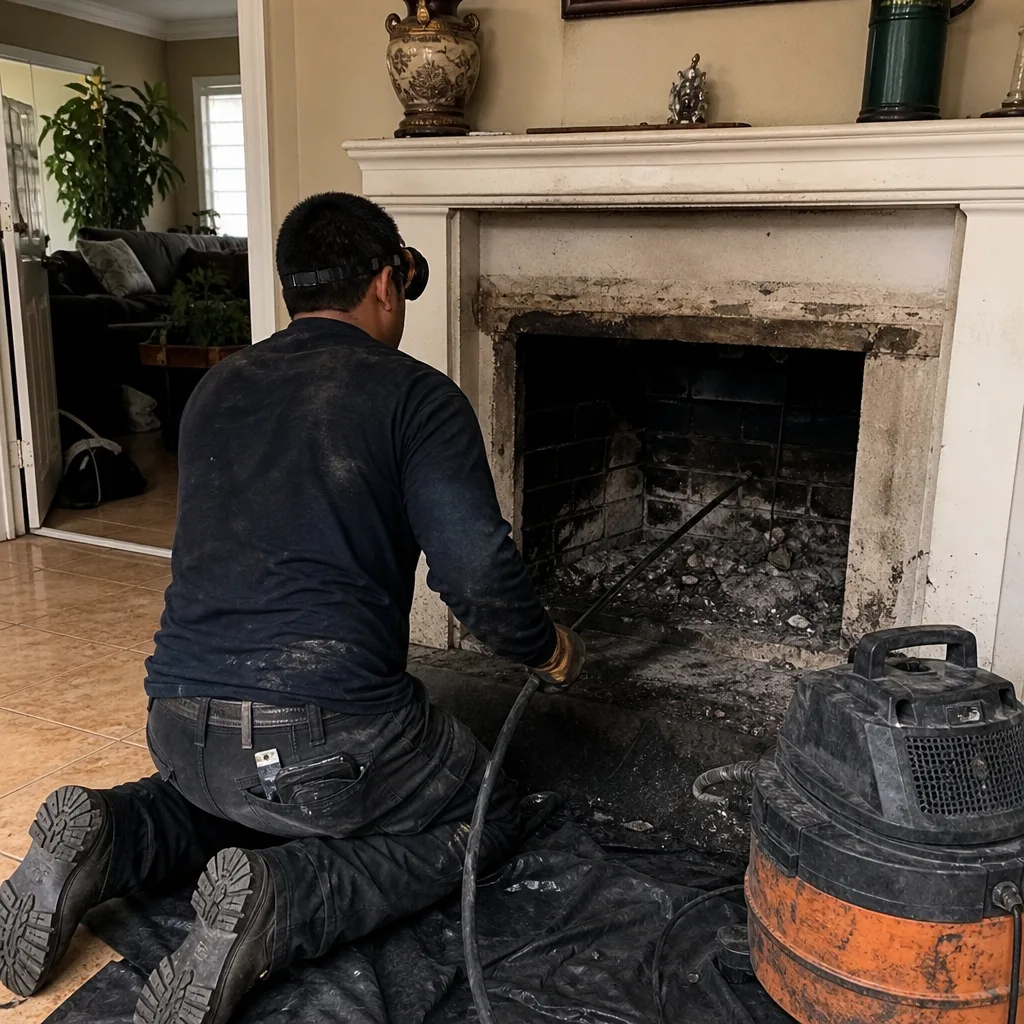 Before
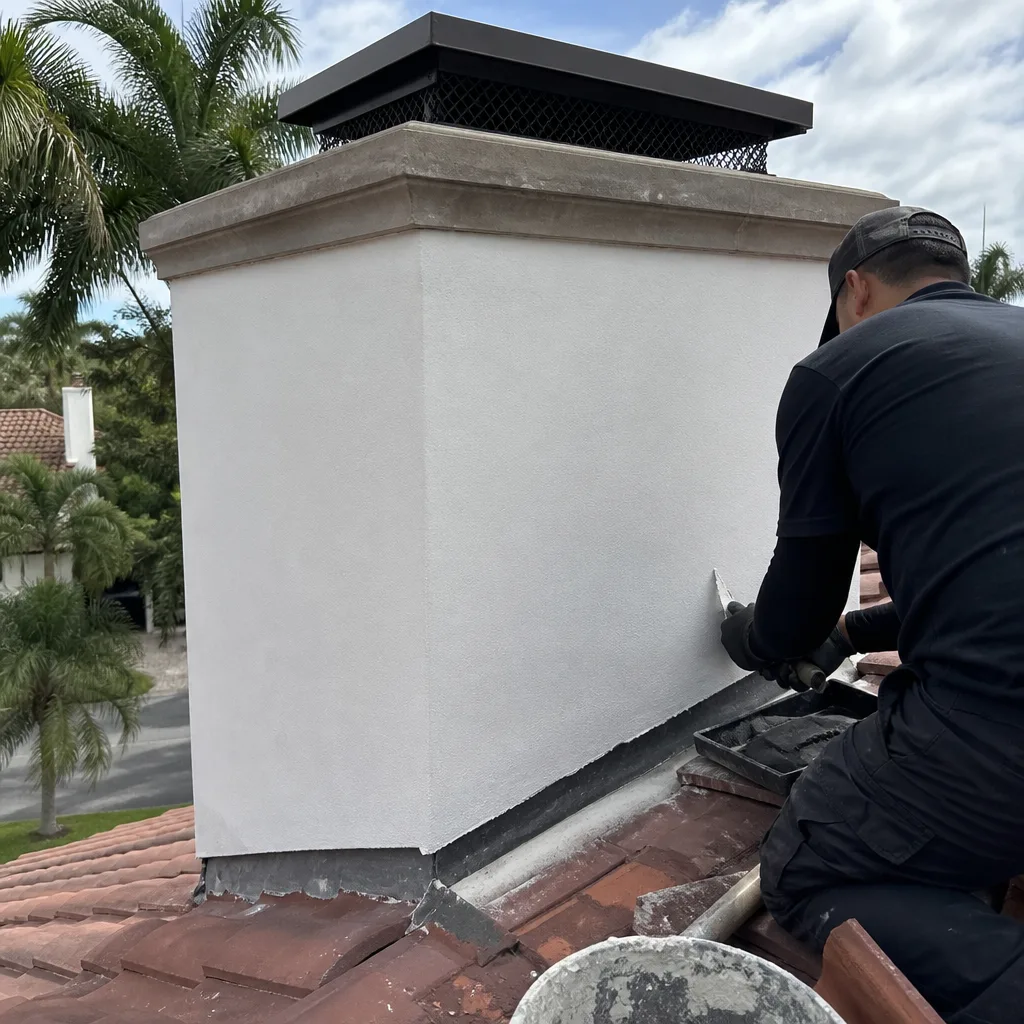 After
After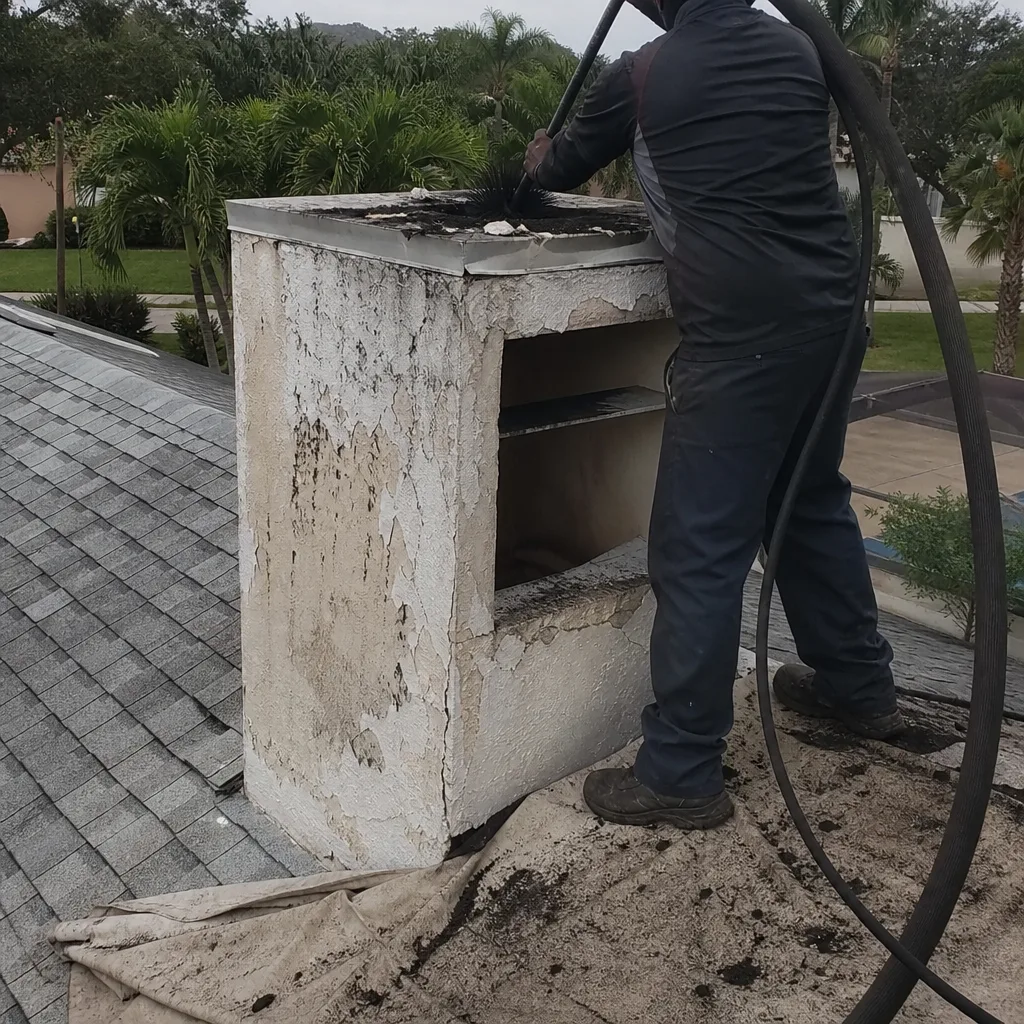 Before
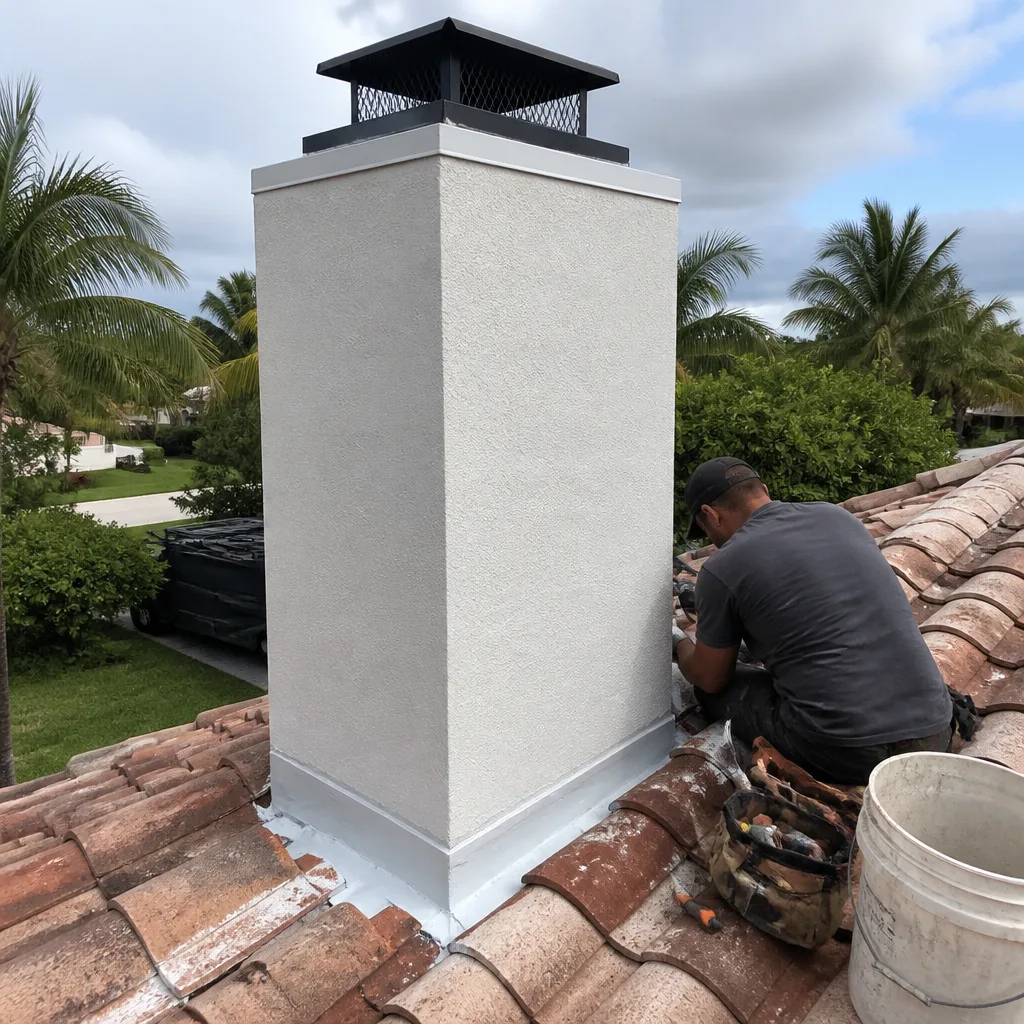 After
After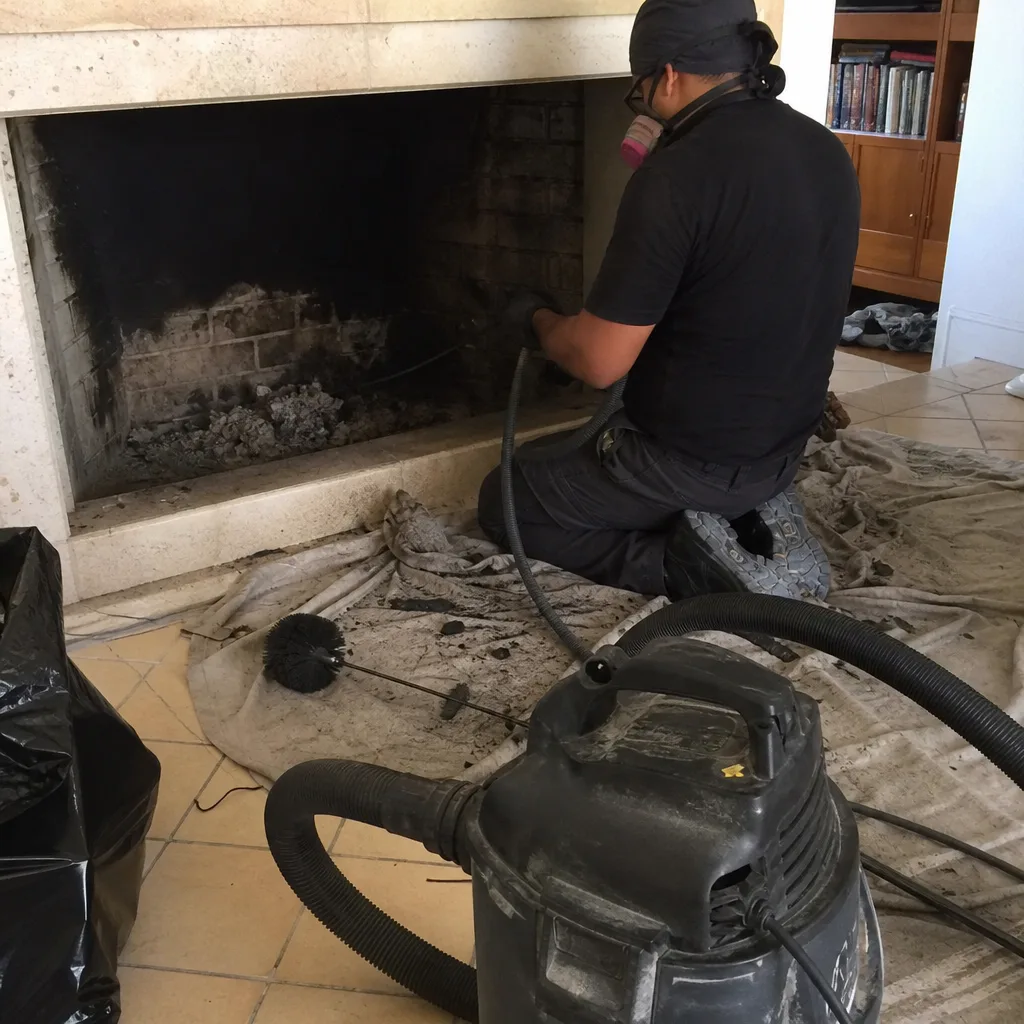 Before
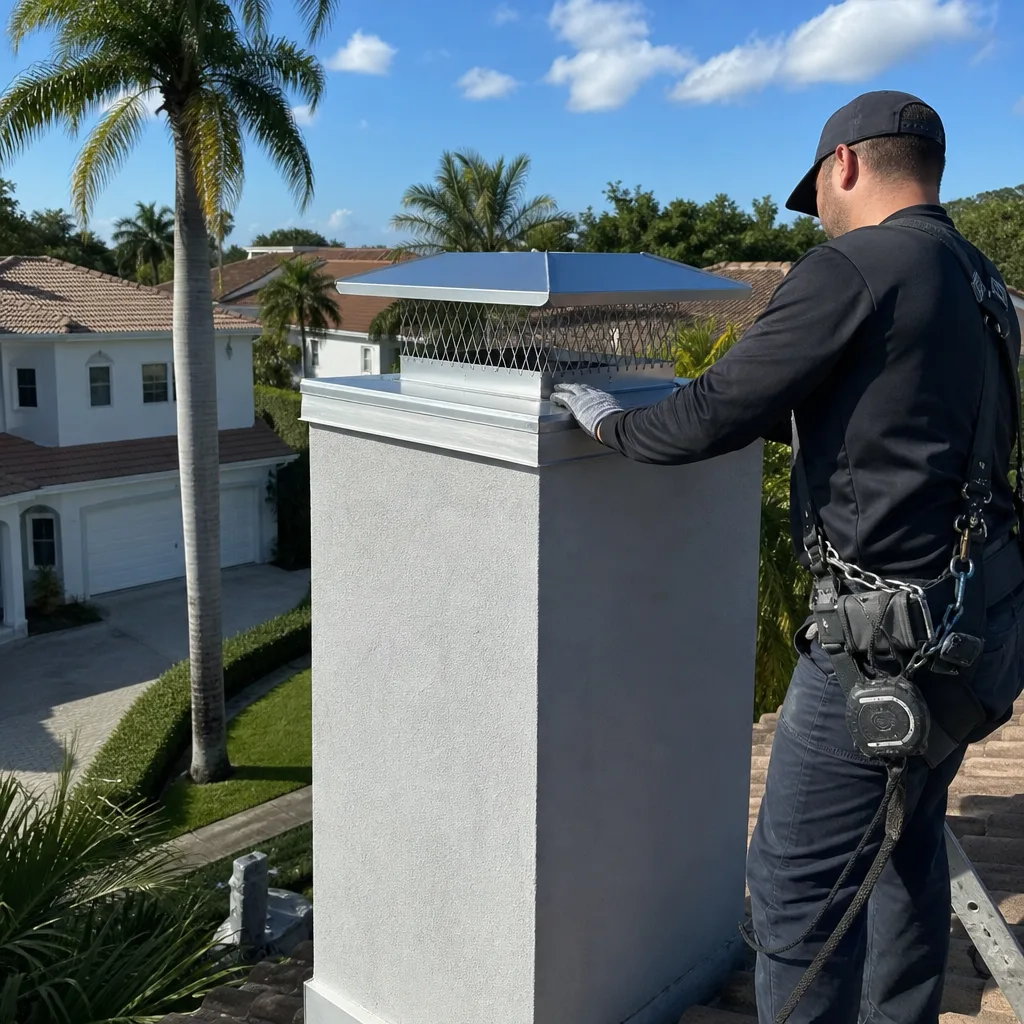 After
AfterMiami-Specific Context: Climate, Code, and Market
Miami’s chimney market has characteristics you won’t find in other cities, and they shape the hiring decision.
The climate. Miami’s humidity means creosote behaves differently than it does in dry climates. The sticky, tar-like buildup that forms in South Florida flues is harder to remove with a basic brush sweep, which is one more reason to insist on a professional with real equipment. It also means chimneys that go unused for long stretches can harbor moisture-related deterioration that a basic sweep won’t address. A CSIA-certified tech knows what Miami humidity does to masonry and to steel liners.
The code. Miami-Dade County has some of the strictest building codes in the country, developed after Hurricane Andrew. While chimney cleaning itself doesn’t require a permit, any structural or liner work must meet Miami-Dade’s wind-load and fire-safety standards. A professional chimney contractor in Miami works within that code framework. A generalist doesn’t know it exists. If you’re getting a liner repair, the materials matter: professional-grade brands like DuraFlex, Gelco, Olympia Chimney, and Copperfield are what a legitimate Miami chimney company installs, not whatever happened to be in the van.
The market. Miami is a city of pressure washers, gutter cleaners, handymen, and general contractors who’ve added “chimney sweep” to the service list because it’s another line on the truck. This is the core problem this guide addresses. Without a licensing requirement in Florida, the market doesn’t filter itself. You have to do the filtering, and the four questions in the section above are your filter. Our Ashby Chimney Miami home page lays out exactly how we operate, and our Chimney Sweep in Miami service page details what a professional sweep includes. The standard matters because the market won’t enforce it for you.
Common Mistakes to Avoid
- Hiring on price alone. The cheapest sweep in Miami is the most expensive one, every time. Either the work is inadequate and you’ll pay again in six months, or the technician is using the low price to get inside and manufacture a repair bill. Price matters, but it’s the third criterion, not the first.
- Skipping the insurance check. If a contractor damages your roof in Miami-Dade County and has no liability coverage, you’re absorbing the cost. Two minutes on the phone to request a certificate of insurance is the cheapest protection you’ll ever buy.
- Accepting a verbal quote. Without a written price, you have no protection. The contractor can name any number once the work is done, and you have no leverage. Written price before work starts, always. No exceptions.
- Ignoring the review patterns. A 5.0 with 40 vague reviews clustered in two bursts is less trustworthy than a 4.7 with 120 specific reviews spread across five years. Learn to read the pattern, not the number.
- Not asking about the technician. The company might be great, but who’s walking into your home? A professional company sends background-checked, uniformed technicians with identification. You should know the name of the person before they arrive.
- Treating the sweep and the inspection as optional alternatives. They’re a package. A sweep without an inspection is half a job. The inspection is where the real value lives: the camera footage, the report, the early warning on a cracked tile before it becomes a chimney fire.
- Waiting until winter. In Miami, chimney use is seasonal, and the rush happens when the first cold snap hits. Book your sweep in the off-season and you’ll get better scheduling, more attention, and the same work.
When to Call a Professional
If you’ve just moved into a home in Miami with a fireplace, you should have the chimney inspected before the first fire, even if the previous owner said it was fine. Buyers inherit chimneys, and the previous owner’s word is not a safety certification. If you burn more than a cord of wood a year, sweep annually. If you smell smoke in the house when the fireplace is running, that’s a draft or blockage problem that needs a professional’s eyes. If you hear animals in the flue, a nest is blocking the vent and the chimney needs to be cleared before you light anything. If it’s been more than two years since the last sweep, just book it. Ashby Chimney Miami offers free estimates in Miami, covers Chimney Inspection in Miami with camera footage included, and handles Fireplace Repair in Miami with written guarantees on every repair. Call (850) 787-8597 to get your chimney on the schedule.
The Bait-and-Switch Script: What It Sounds Like in Miami
Understanding the actual script used by the bait-and-switch operators makes the pattern recognizable in real time. Here’s how it typically unfolds in Miami homes.
The flyer arrives advertising a $79 or $89 sweep. You call, and the phone is answered by a dispatcher who sounds rushed. The technician shows up in an unbranded truck, steps inside, runs a brush up the flue for 20 minutes, and then delivers the diagnosis: “Your flue liner is deteriorating. This is a fire hazard. I can do a liner repair today for $3,200, and I can take $300 off if you decide right now.” The homeowner, already worried about the house, says yes to a repair they have no way to verify.
The proper script looks different. The technician arrives in a branded vehicle, introduces himself, lays down drop cloths, does the full sweep and inspection, runs the camera, and shows you the footage on a screen. Then he writes up a quote with line items, hands it to you, and says: “The liner has some wear, but it’s safe to use this season. Here’s what I’d watch for, and here’s what the repair would cost when you’re ready.” Written price. Written guarantee. Your decision, your timeline. That’s the difference, and in Miami’s unlicensed market, it’s a difference you have to insist on.
Frequently Asked Questions
How much does a chimney sweep cost in Miami?
A professional chimney sweep in Miami typically costs between $180 and $320 for a standard cleaning and inspection, with the variance depending on flue type, accessibility, and the level of creosote buildup. Prices below $150 in Miami are a red flag: either the technician is underqualified, or the low price is a door-opener for an inflated repair bill once the tech is inside. A written estimate before any work starts is your protection. Call (850) 787-8597 for an exact quote, estimates are free.
Do I really need a new liner just because a contractor says so?
No, you need evidence. A legitimate recommendation for a liner replacement or repair comes with camera footage showing the specific damage: cracked tiles, gaps in the mortar joints, rust-through on a steel liner. If the contractor can’t show you the damage, you shouldn’t approve the repair. In Miami’s humidity, liner deterioration is real and common, but the diagnosis must be visible. At Ashby Chimney Miami, we won’t recommend a liner replacement without camera evidence you can see for yourself.
How often should a chimney be swept in Miami?
Once a year if you burn regularly, and at minimum every two years if the fireplace gets light use. The National Fire Protection Association standard is an annual inspection, with sweeping as needed based on buildup. In Miami’s humid climate, creosote tends to be stickier and harder to remove, which makes regular mechanical sweeping more important, not less. Even a fireplace that went unused for years needs an inspection before the first fire, because animals and moisture don’t check your burn schedule.
What actually happens if I skip chimney cleaning?
Creosote, a byproduct of wood combustion, accumulates on the flue walls with every fire. It’s combustible. A thick enough layer becomes fuel for a chimney fire, which can reach 2,000 degrees and crack flue tiles, melt mortar, and spread to the house. Separately, a blocked flue from a nest or debris can push carbon monoxide back into the living space instead of venting it out. These are the two real risks: fire and carbon monoxide. A professional sweep removes the creosote and verifies the flue is clear. Call (850) 787-8597 to schedule yours in Miami.
What certifications should a Miami chimney sweep have?
CSIA certification is the recognized credential in the chimney trade, covering fire codes, clearances, draft mechanics, and inspection standards. In Florida, there is no state licensing requirement for chimney sweeps, which makes CSIA certification the single most meaningful credential to verify. Beyond that, the company should carry liability insurance and workers’ compensation. Ask on the phone; a professional answers without hesitation.
Why does Miami not require chimney sweep licensing, and what does that mean for me?
Florida does not include chimney sweeping in its list of regulated trades, which means the licensing requirement simply doesn’t exist. For homeowners, that means the verification work is yours. There’s no state board to check, no license number to look up. You’re left with third-party certification (CSIA), insurance verification, written estimates, and review patterns as your filters. That’s exactly why this guide exists: in Miami, the market doesn’t protect you, so the questions do.
The Bottom Line
Hiring a chimney cleaning contractor in Miami is a verification exercise, not a trust exercise. No license requirement means anyone can claim the trade. Your job is to ask the four questions, demand the written estimate, check the insurance, read the review patterns, and trust the camera footage, not the sales pitch. A professional chimney sweep in Miami charges a fair price, writes it down before work starts, shows up in the window, proves the diagnosis with footage, and puts the guarantee in writing. That’s the standard. It’s the standard we operate by at Ashby Chimney Miami, and it’s the standard you should expect from anyone you let inside your flue.
If you’re ready to book a sweep, an inspection, or a repair, call (850) 787-8597 for a free estimate. We’ve served Miami since 2002, and we’ll put the price in writing before any work starts.
Written by Nathan Corliss, Owner at Ashby Chimney Miami, serving Miami since 2002.