
Last updated October 15, 2026
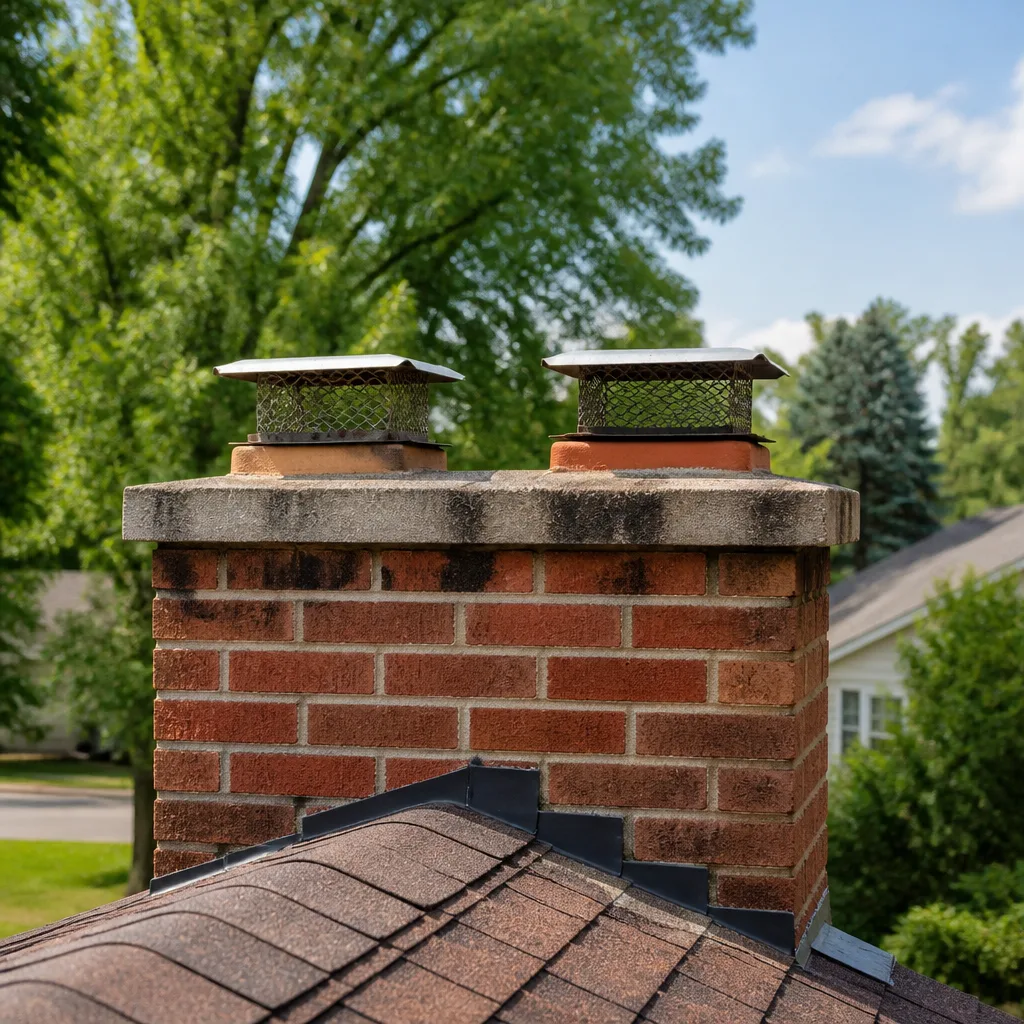 Sweep & inspection
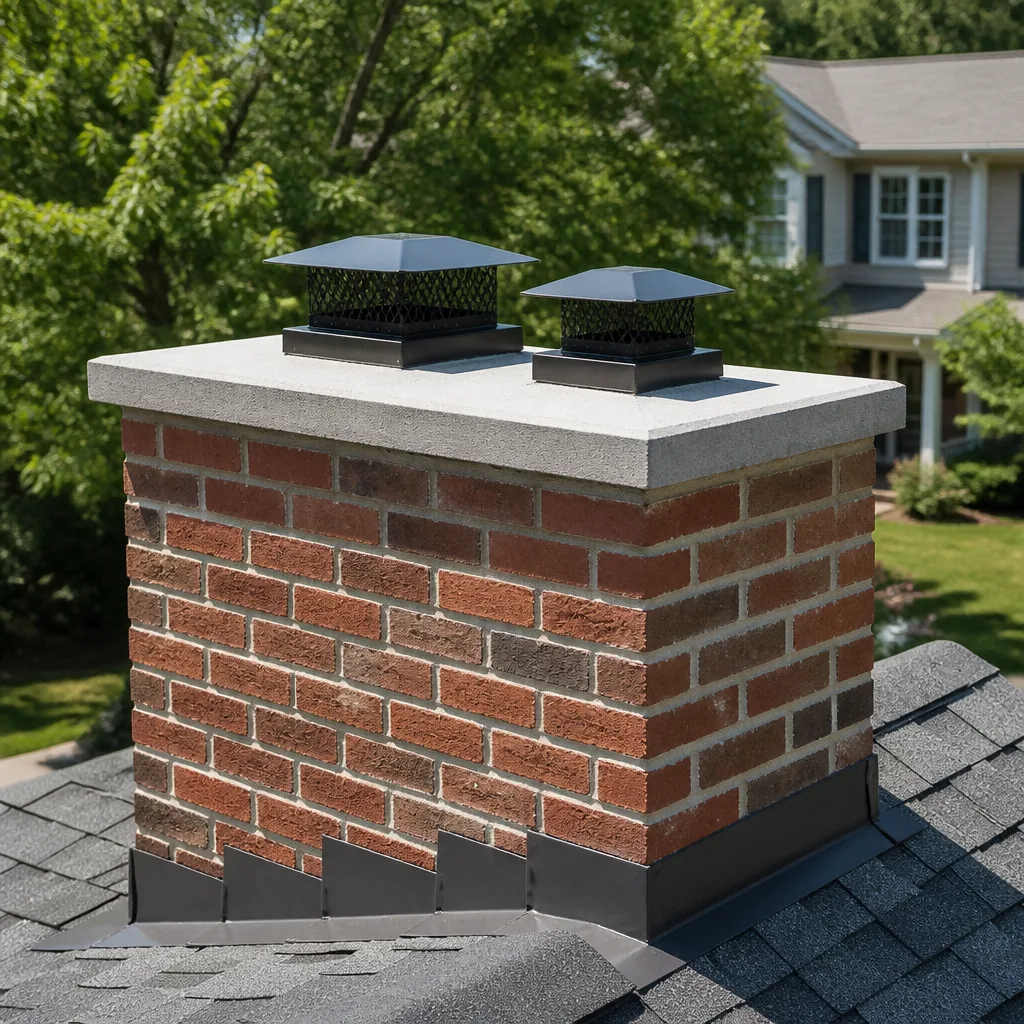 Caps & crowns
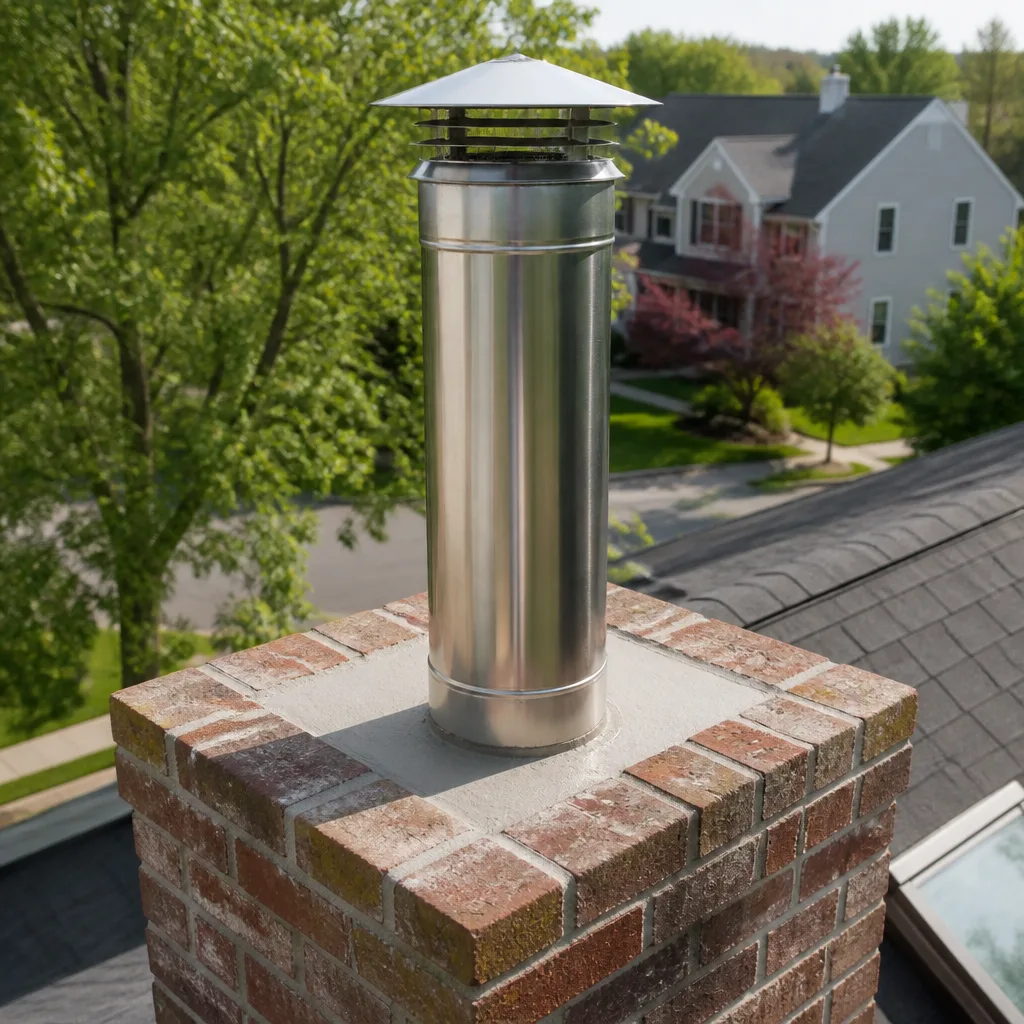 Flue relining
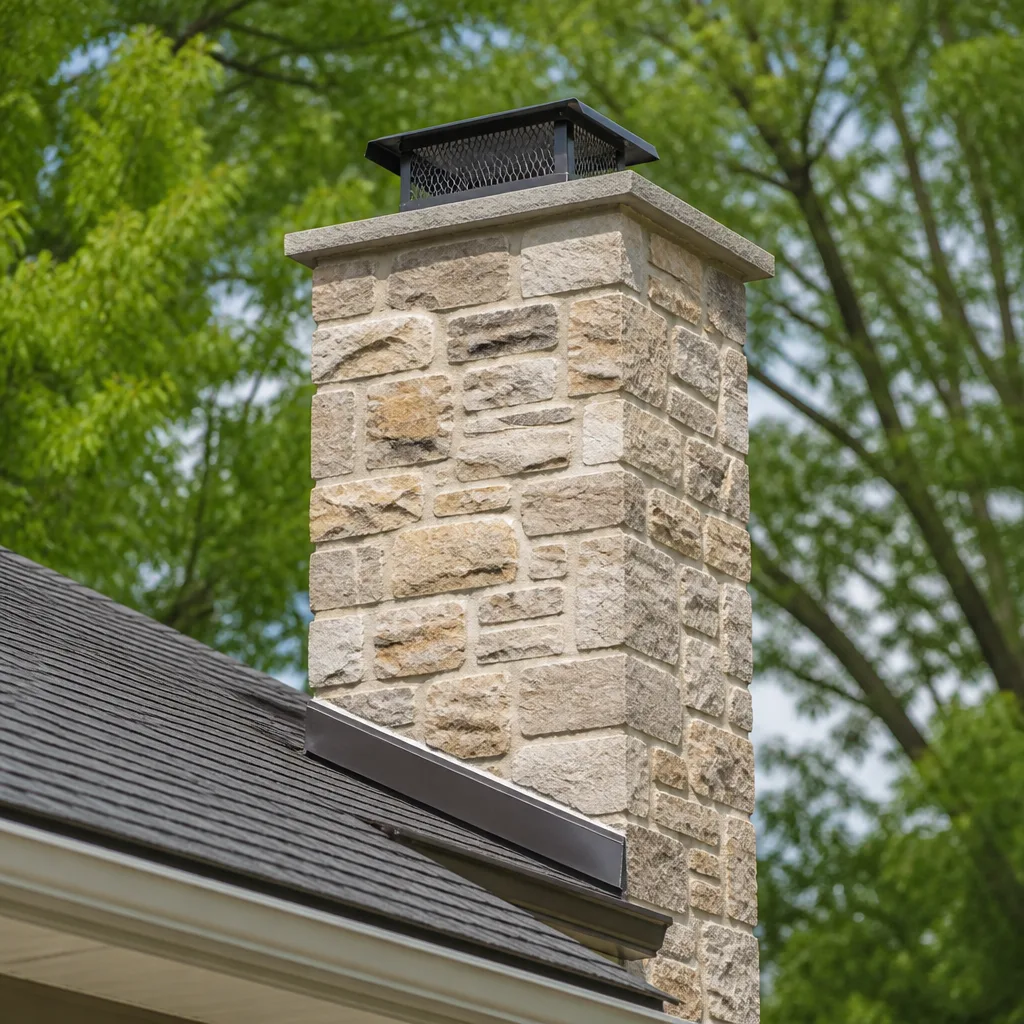 Masonry repair
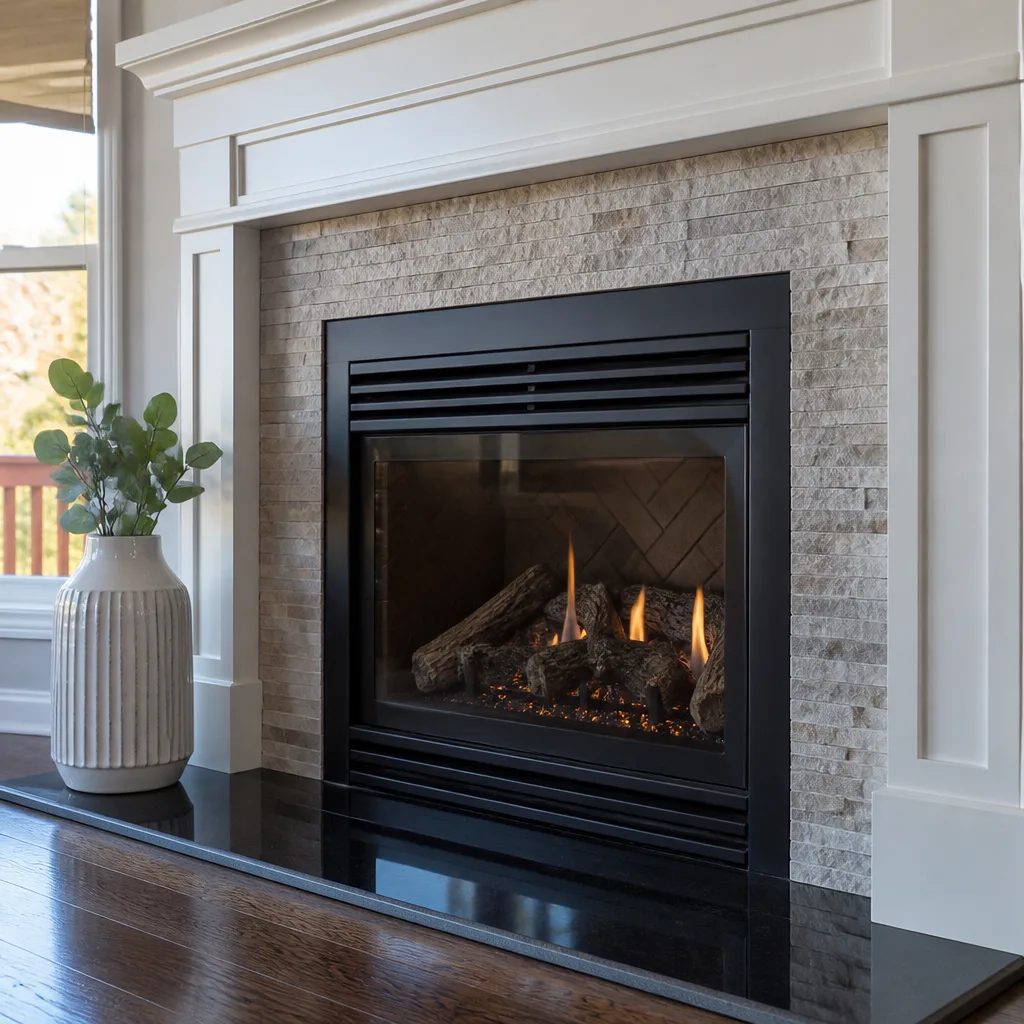 Gas fireplace service
Level 1 sweep and inspection to the NFPA 211 annual standard - flue, crown, cap, and flashing checked and photographed
Chimney sweep logs do not sweep chimneys. They loosen some creosote - which then falls where a brush and vacuum still have to collect it.
Chimney Cleaning Permits, Codes & Inspections in FL: What You Need to Know
A chimney liner replacement in Florida without a permit isn’t just a code violation. It’s a documented liability gap your homeowner’s insurance can use to deny a fire-related claim. That’s the reality most Miami homeowners discover too late, usually at closing or after an incident. This guide walks through exactly when Florida requires a permit for chimney work, how to check your property’s permit history through Miami-Dade records, and what a Level 2 inspection actually means when a house changes hands. For more guides & resources, see our blog.
Styles & brands we work with
Quick Answer
Routine chimney sweeping and visual inspections do not require a permit anywhere in Florida. However, structural repairs like liner replacement, firebox rebuilds, or masonry restoration almost always require a permit from your local building department, and in Miami that means Miami-Dade County. Unpermitted chimney repairs create resale problems and can give your insurer grounds to deny a claim.
Table of Contents
- Which Chimney Services Need a Permit in Florida
- Miami-Dade Permit Requirements in Plain Language
- Florida Building Code Sections That Affect Your Chimney
- How to Check Your Chimney’s Permit History in Miami
- Level 2 Inspections and Florida Real Estate Transactions
- How to Ask a Contractor for Permit Proof
- What Happens When Unpermitted Work Is Discovered
- Common Mistakes to Avoid
- When to Call a Professional
- Frequently Asked Questions
- The Bottom Line
Which Chimney Services Need a Permit in Florida
Here’s the plain version: sweeping a chimney is maintenance, and maintenance doesn’t need a permit (see our Chimney Sweep Maintenance Checklist for Miami Homeowners). Replacing a flue liner is construction, and construction does. The line between those two categories confuses a lot of homeowners because both happen inside the same brick structure, often during the same visit.
The Florida Building Code treats chimney work based on what’s actually being done. A technician running brushes and a vacuum through your flue is performing a service, not altering the structure. But the moment work involves removing, replacing, or modifying components that are part of the building’s permanent structure, you’ve crossed into permit territory.
Here’s the breakdown as it applies in Florida:
- No permit required: Chimney sweeping, flue brushing, creosote removal, basic Level 1 inspections, smoke chamber cleaning, firebox vacuuming, damper lubrication, minor cap tightening that doesn’t require structural change.
- Permit required: Flue liner installation or replacement (stainless steel or clay), firebox rebuilds, smoke chamber parging or repair, masonry repairs beyond cosmetic repointing, crown rebuilding, damper replacement that requires modification to the flue, chimney teardown and rebuild of any portion.
- Gray area, but likely a permit: Major repointing where more than a small percentage of mortar joints are being cut out and replaced. In Miami, we’ve seen building officials treat extensive repointing as structural work because the chimney’s stability depends on those joints. When in doubt, call the building department and ask. The phone call takes ten minutes.
The reason this matters in Miami specifically is humidity. Miami’s coastal air accelerates mortar deterioration, which means homeowners here run into structural chimney issues more often than people in drier parts of the state. That also means more Miami chimneys end up needing the kind of work that does trigger permit requirements. Know the Chimney Cleaning Warning Signs: A Miami Homeowner’s Reference Guide before problems escalate.
Miami-Dade Permit Requirements in Plain Language
Miami-Dade County operates its own building department with requirements that go beyond the state baseline. If you live in the city of Miami, unincorporated Miami-Dade, Coral Gables, Hialeah, or any other municipality in the county, you’re under the Miami-Dade County building code jurisdiction unless your city runs its own building department, and even then the standards generally mirror the county’s.
The permit process for chimney work in Miami-Dade works like this:
- Determine the work type. Is this a repair that restores the chimney to its original condition, or an alteration that changes it? Repairs to restore function generally use a simpler permit path than alterations.
- Contractor pulls the permit. In Miami-Dade, the licensed contractor performing the work pulls the permit. Homeowners can pull their own permits for work on their primary residence, but for chimney structural work, this is rarely practical unless you’re a licensed contractor yourself. The permit names the responsible party and requires inspections at specific points.
- Inspections happen at defined stages. For a liner replacement, Miami-Dade typically requires an inspection after the old liner is removed and before the new one is installed, then a final inspection after everything is complete. The inspector verifies the liner material, sizing, and connection to the appliance.
- The permit gets closed. A permit that was pulled but never received final inspection is an “open permit.” Open permits are a common discovery at real estate closing, and they can delay or kill a sale. A closed permit means the work was done and an inspector signed off.
Miami-Dade uses the Florida Building Code, 7th Edition (2020), which incorporates the International Residential Code and International Building Code. For residential chimneys, the relevant chapter in the IRC is Chapter 10, “Chimneys and Fireplaces.” The county also maintains local amendments, so what passes in Broward might not pass here. This is one reason it’s worth working with a chimney company that operates regularly in Miami rather than one driving down from elsewhere for a day.
Florida Building Code Sections That Affect Your Chimney
You don’t need to read the code book, but you should understand the three or four sections that come up every time there’s a dispute about chimney work. These are the sections Miami inspectors cite most often.
R1001.2 (Footings and Foundations): This section says chimneys must be supported on concrete or masonry footings sized to carry the chimney’s weight. It’s the section that gets cited when a chimney has settled or cracked at the base, which happens in Miami with soft soils and limestone bedrock. Any repair that involves the chimney’s foundation or support structure absolutely requires a permit.
R1003.5 (Flue Liners): This is the big one. It says masonry chimneys must be lined with a code-approved liner material, and that the liner must be installed according to the manufacturer’s instructions when it’s a manufactured product like stainless steel. When you replace a clay tile liner with a stainless system from a company like DuraFlex or Olympia Chimney, the installation has to match the manufacturer’s listed installation. That’s what the inspector will check against.
R1003.9 (Termination and Spark Arrestors): This covers the top of the chimney, including cap height, clearance, and spark arrestor requirements. In Florida, spark arrestor requirements are less about wildfire and more about preventing embers from landing on nearby roofs, but code still applies.
R1001.5 (Chimneys and Fireplaces – Seismic and Wind): Florida’s wind load requirements are some of the strictest in the country. This section requires chimneys to resist wind forces specified in the code. After a hurricane, inspectors in Miami typically want to see chimney damage evaluated before repair work begins, and any rebuild or major repair has to account for wind load.
The plain-language version of all this: Florida treats your chimney as part of the building structure, not a decorative element. That means repairs follow the same permit and inspection rules as walls, roofs, and foundations. It’s a safety issue, but it’s also a liability issue for you as the property owner.
How to Check Your Chimney’s Permit History in Miami
Before you buy a house with a fireplace in Miami, or before you list yours, pull the permit history. It’s free, it’s public, and it takes about fifteen minutes once you know where to look.
The Miami-Dade County Building Department maintains an online permit lookup tool. Here’s the process:
- Go to the Miami-Dade County building department’s permit search portal. It’s part of the county’s iBuild system or the older building permit records system depending on the age of the property.
- Search by address. You don’t need a permit number. The street address pulls up every permit ever issued for that property, active or closed.
- Look for chimney-related permits. They’ll typically be categorized under “Mechanical,” “Building,” or “Fireplace.” A liner replacement will usually show up as a mechanical or building permit.
- Check the status. Every permit row shows a status: issued, in progress, finaled, or expired. “Finaled” means the work passed inspection and the permit is closed. “Issued” with no inspection records means the permit was pulled but the work was never inspected or the permit was abandoned.
- If you see an open or expired permit related to chimney work, request the inspection history. You might need to call the building department’s records division. They can tell you exactly which inspections passed, which were never scheduled, and what’s needed to close out the permit.
This matters for two reasons. First, open permits run with the property, meaning you inherit the problem when you buy. Second, if a previous owner did unpermitted chimney work and the permit history shows no record of it, that’s a disclosure issue you’ll face when you sell. Knowing now is cheaper than discovering it at the closing table.
If you’re in the middle of a purchase and the inspection found chimney work but the permit history is clean, that’s a red flag worth investigating before you sign. Our Chimney Inspection in Miami service can document the current condition and help you understand what was done, what should have been permitted, and what it’ll cost to make it right.
Level 2 Inspections and Florida Real Estate Transactions
A Level 2 chimney inspection is a specific technical standard defined by the National Fire Protection Association in NFPA 211. It’s not just a more thorough sweep. It’s a completely different scope of work, and in Florida real estate transactions, it’s the standard that gets cited when questions come up about chimney condition.
Here’s what a Level 2 inspection includes that a standard sweep does not:
- Access to the roof, attic, and crawlspace to examine the chimney’s exterior and interior structure
- Internal video scanning of the flue using a camera, which is how a trained tech spots cracked clay liners, gaps in mortar joints, or hidden blockages
- Examination of clearances from combustibles in attics and enclosed spaces
- Verification of proper flue sizing for the connected appliance
Under NFPA 211, a Level 2 inspection is required in specific situations: whenever a property changes ownership, after any structural event (earthquake, fire, lightning strike, hurricane), after a chimney fire, or whenever the system is modified with a new appliance or liner. In Florida, the ownership transfer trigger is the one that matters most for buyers and sellers. If you’re buying a home with a fireplace in Miami, the standard of care says you should get a Level 2 inspection even if the county doesn’t mandate it by law.
In our experience in Miami, a Level 2 inspection before closing finds something requiring attention in roughly half of the pre-2000 homes we look at. That’s not a scare statistic. It’s a function of age, humidity, and maintenance cycles. The good news is that the inspection gives you a document. That document either gives you negotiating power with the seller or gives you a clean baseline for your own maintenance going forward.
How to Ask a Contractor for Permit Proof
Most homeowners never ask, and most contractors don’t volunteer. That’s how unpermitted work happens by default. Here’s exactly how to have that conversation without making it weird.
Ask before you sign anything. After the contractor gives you a quote for liner replacement or firebox work, just ask: “Will this require a permit, and does your company pull it?” A licensed, experienced chimney company in Miami answers this immediately because they know the county requirements and they’re set up to handle the process. A contractor who hesitates, changes the subject, or tells you a permit “isn’t necessary” for structural work is either not licensed or doesn’t want the inspection. Either way, that’s your answer.
Ask to see the permit before work starts. The permit should be in hand before the crew shows up. Miami-Dade issues a paper permit, and the contractor should be able to show you the permit number and the work description. You can verify it in the county portal yourself.
Ask who schedules the inspections. The permit means nothing if inspections never happen. The contractor should be able to tell you the planned inspection points and roughly when they’ll occur. For a typical liner replacement, there’s usually one inspection after the old liner is out and one at the end.
If they say it “isn’t necessary,” get the building department’s opinion. Call Miami-Dade’s building department or check their published guidelines. If the county says the work needs a permit and the contractor says it doesn’t, find another contractor. You’re not being difficult. You’re protecting yourself from a future of open permits, failed inspections, and questions at resale.
The company that shows its permit process before you ask is the company that does it by default. That’s how our team operates in Miami, and we’re happy to walk you through exactly what your specific repair will require.
What Happens When Unpermitted Work Is Discovered
Here’s the scenario we hear most often: a homeowner buys a house, lives there happily for years, then decides to sell. The buyer’s home inspector flags the chimney as suspicious. The permit history shows no record of the liner replacement the previous owner clearly did. Now what?
You have a few paths, and none of them are free:
- Retroactive permit. Some Miami-Dade inspectors will allow a retroactive permit if the work can be inspected and meets current code. The challenge with chimney work is that much of it is hidden behind masonry or drywall after installation. If a liner replacement is already installed, the inspector can only verify what’s visible. In some cases, a video inspection report from a certified technician can support a retroactive permit application, but it’s not guaranteed to pass.
- Remediation. If retroactive permitting isn’t possible, the work may need to be removed and redone properly. That’s the most expensive path, and it’s the one that makes the original “deal” contractor not a deal at all.
- Disclosure and price reduction. If you’re selling and the unpermitted work surfaces, you can disclose it and reduce the price. The buyer then assumes the problem. This happens, but it usually costs more than the permit would have in the first place.
- Insurance wrangling. If a chimney fire occurs and the investigation finds unpermitted liner work, the insurer may deny the claim based on the policy’s exclusions for unpermitted construction. This is the nightmare scenario, and it’s entirely avoidable.
The takeaway: the permit isn’t a bureaucratic box to check. It’s the document trail that proves the work was done, inspected, and passed. Without it, you’re holding risk you didn’t ask for.
Common Mistakes to Avoid
- Assuming all chimney work is exempt. Sweeping is exempt. Liner replacement is not. If you’re not sure where your project falls, call Miami-Dade and ask before anyone picks up a hammer.
- Pulling the permit but never closing it. A permit that was issued and never finaled is still an open permit. It’ll show up at sale time. Make sure the contractor schedules and passes the final inspection.
- Accepting “it’ll be fine” as permit guidance. If a contractor tells you a liner replacement doesn’t need a permit in Miami, walk away. They’re either wrong or they’re avoiding inspection for a reason.
- Not pulling the permit history before buying. This takes fifteen minutes online and can save thousands at the negotiating table. Do it before you make an offer, not after the inspection report comes back.
- Skipping the Level 2 inspection at purchase. A standard home inspection ladder-view of the chimney top is not a Level 2 inspection. If you have a fireplace, get the flue scoped.
- Hiring a contractor who “doesn’t do permits.” Licensed contractors pull permits. That’s part of the license. A contractor who won’t pull a permit is signaling something about their license status or their relationship with the building department.
- Using price as the sole deciding factor. Unpermitted work is always cheaper. That’s the whole selling point. But the unpermitted liner costs less up front and far more later.
When to Call a Professional
You should call a chimney professional any time you see something that makes you uncomfortable about your fireplace, but specific triggers outweigh vague concern. Evidence of water coming into the firebox during Miami rainstorms, white staining on the brick exterior, mortar crumbles in the firebox, or a smell like old smoke in the house when the fireplace hasn’t been used all suggest the system needs attention. If you just moved in and don’t know the chimney’s history, start with an inspection. If you’re selling, get the inspection before you list so there are no surprises at closing. Ashby Chimney Miami offers free estimates in Miami, and our Chimney Sweep in Miami service includes a safety check with every visit. Call (850) 787-8597 to schedule.
Frequently Asked Questions
Most chimney sweeps in Miami run between $149 and $299 depending on the chimney’s condition, accessibility, and whether it’s a standard open fireplace or a prefab unit. A sweep that includes a basic safety check is the standard we recommend. Call (850) 787-8597 for an exact quote, estimates are free.
Yes. Liner replacement is structural work under the Florida Building Code and requires a permit from Miami-Dade County or your local building department. Any contractor who says otherwise is putting you at risk for open-permit issues and insurance claim denial.
The NFPA standard is annual inspection at minimum, with sweeping as needed based on use. Most Miami homeowners use their fireplaces seasonally, so an annual sweep in the fall works well. If you burn more than a couple of fires per week during winter, you may need mid-season attention.
Creosote builds up in the flue, and creosote is combustible. At high enough buildup, a hot fire can ignite it and cause a chimney fire that damages the liner and potentially spreads into the house structure. Carbon monoxide can also back up into the home if the flue is obstructed enough to block proper venting. For the cost of a sweep, it’s not worth the risk. Call (850) 787-8597 to schedule in Miami.
A standard home inspection includes a visual chimney check, but it’s usually limited to what’s visible from the ground or roof. It does not include an internal video scan of the flue. For a complete picture, you need a Level 2 chimney inspection, which is the standard recommended when buying a property.
Under Florida law, a homeowner can pull a permit for work on their own primary residence, but the work still has to pass inspection against the same code standards as a contractor’s work. Chimney structural repairs are not beginner-level projects. A liner replacement done wrong is a fire and carbon monoxide hazard, and the inspection will catch shortcuts. We strongly recommendFireplace Repair in Miami by a licensed chimney contractor.
The Bottom Line
Chimney cleaning in Florida is a maintenance task and needs no permit. The confusion starts with repairs that follow the cleaning, and that’s where too many Miami homeowners get burned. In Miami-Dade, structural chimney work like liner replacement runs through the same permit process as any other building modification. The permit protects you at sale time and keeps your insurance intact in the event of a fire. Pull your permit history before you buy, ask for proof of permit before you sign a repair contract, and treat an unpermitted liner the same way you’d treat an unpermitted addition. The paper trail matters. Nathan Corliss has been running chimneys in Miami since 2002, and the rule here is simple: show the work, permit the work, stand behind the work.
Written by Nathan Corliss, Owner at Ashby Chimney Miami, serving Miami since 2002.
See the difference
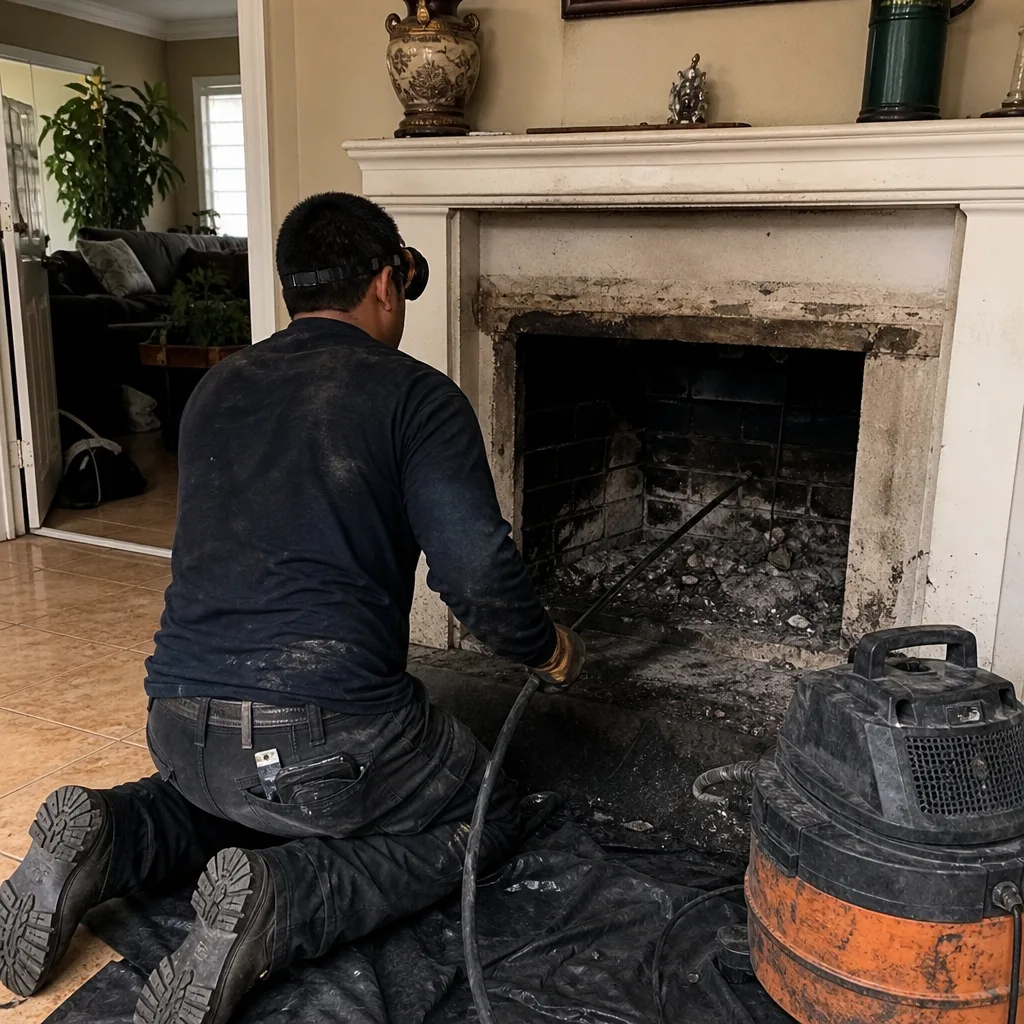 Before
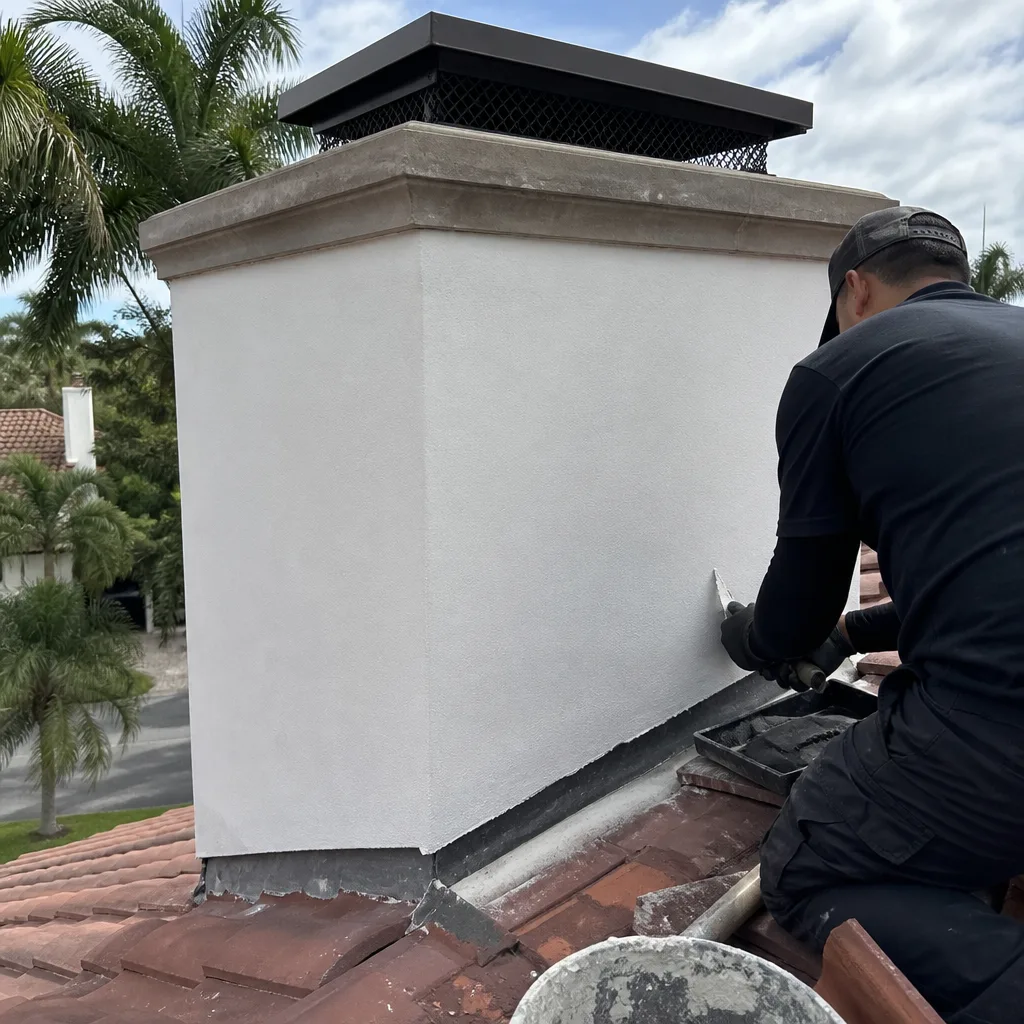 After
After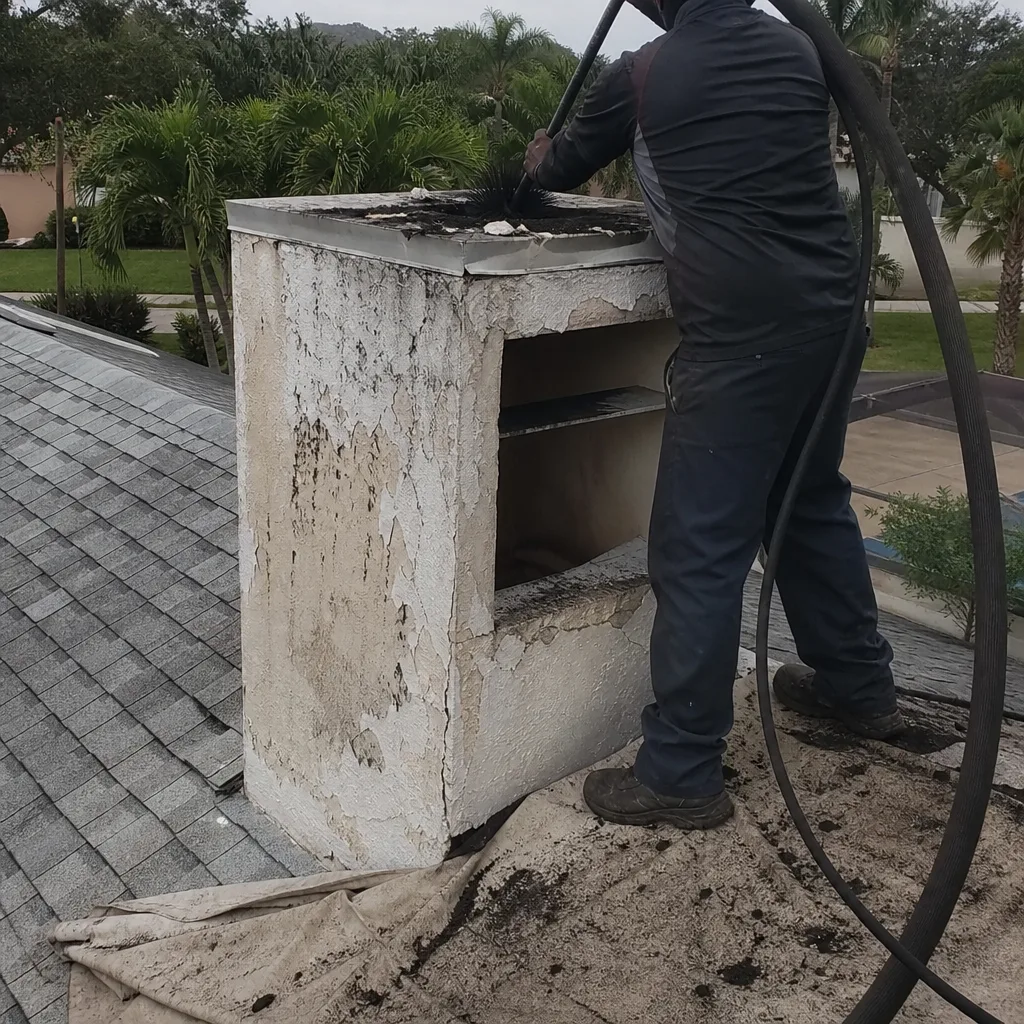 Before
 After
After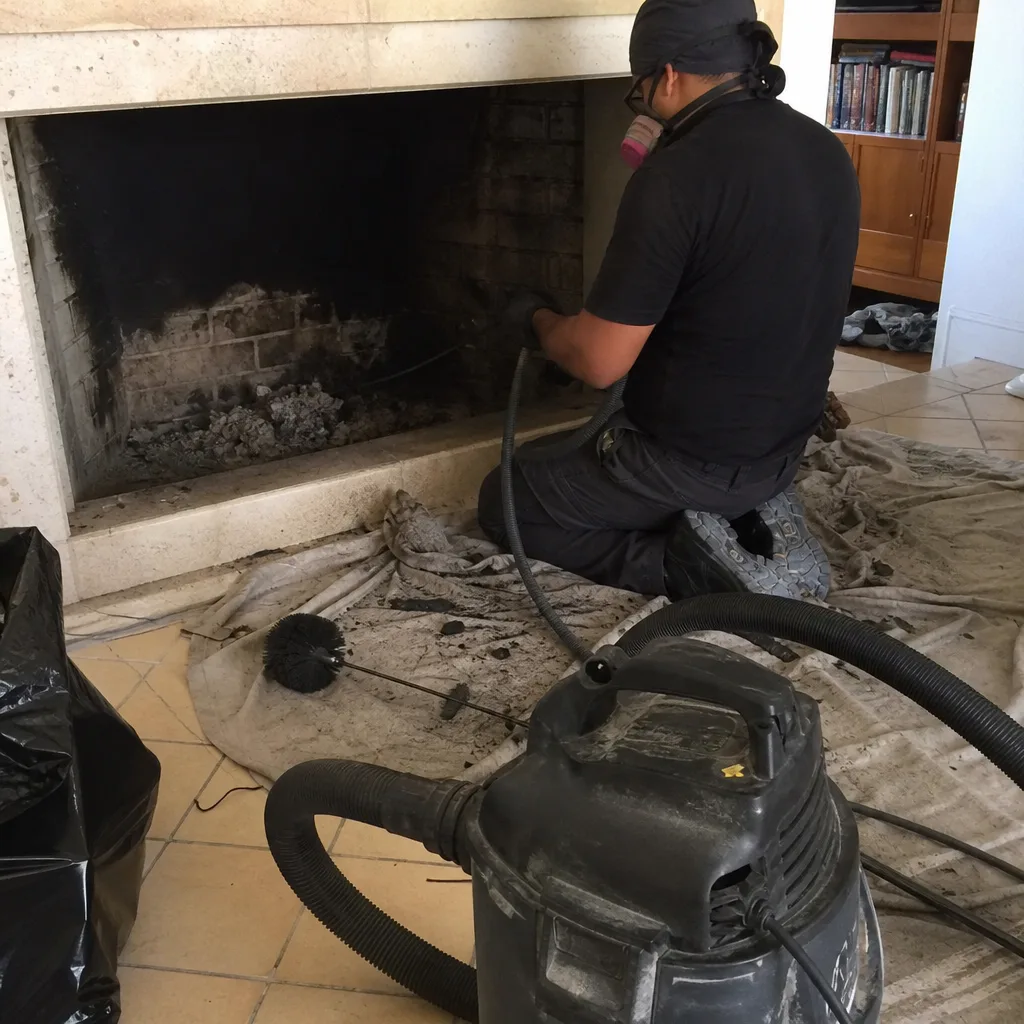 Before
 After
After