
Last updated October 15, 2026
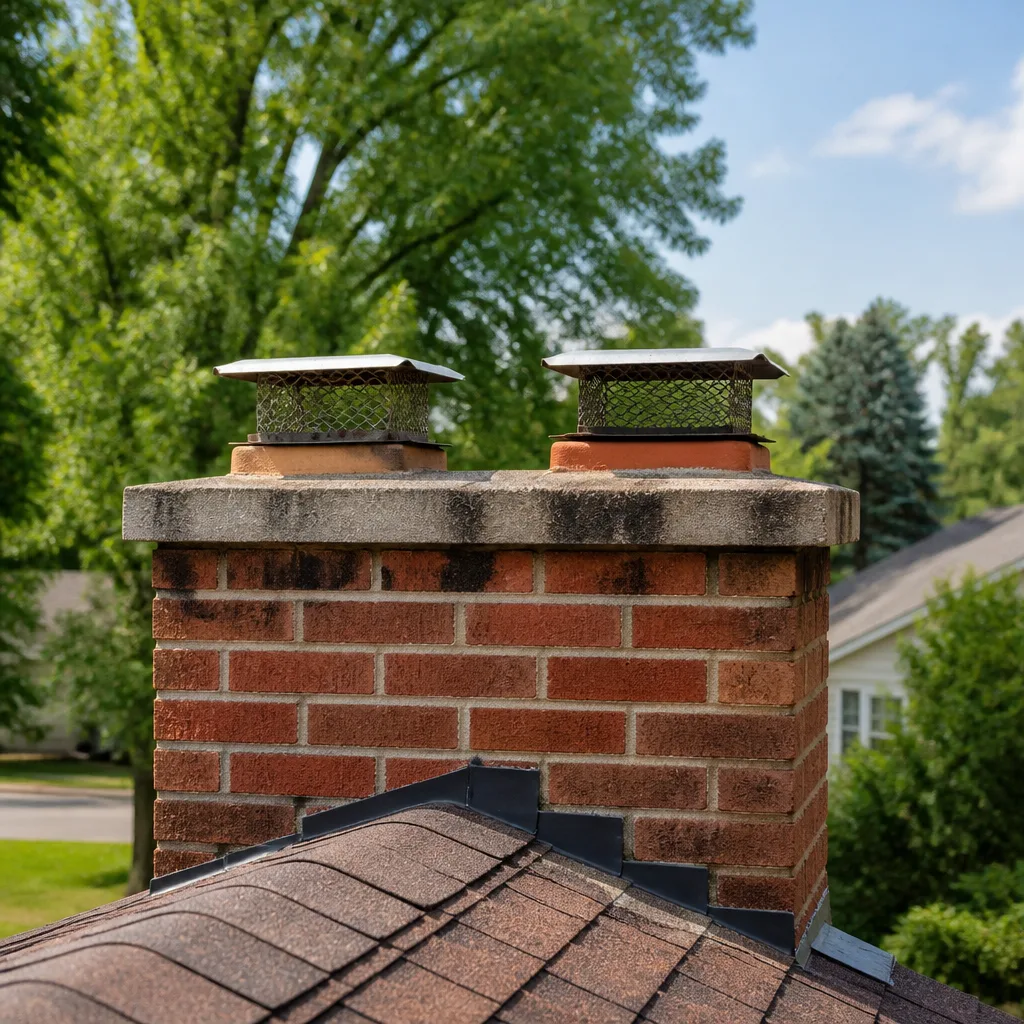 Sweep & inspection
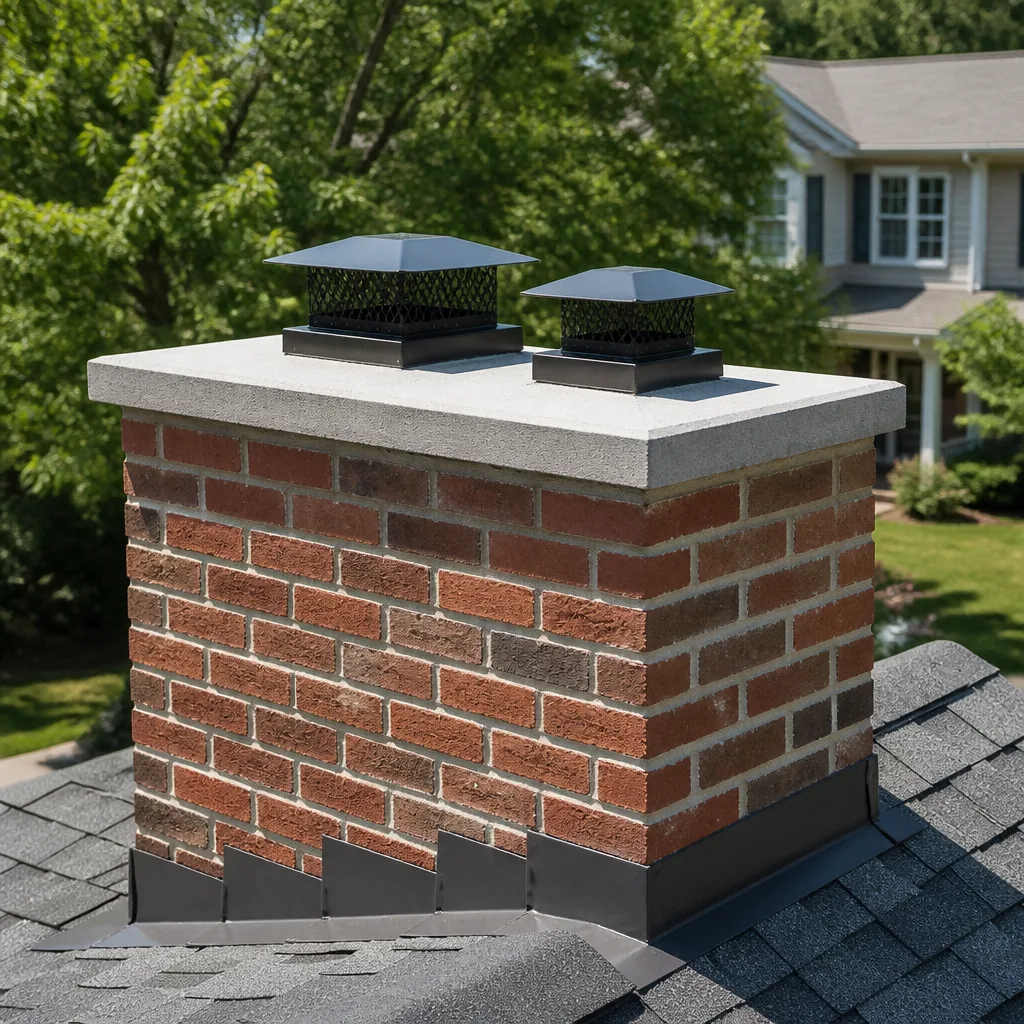 Caps & crowns
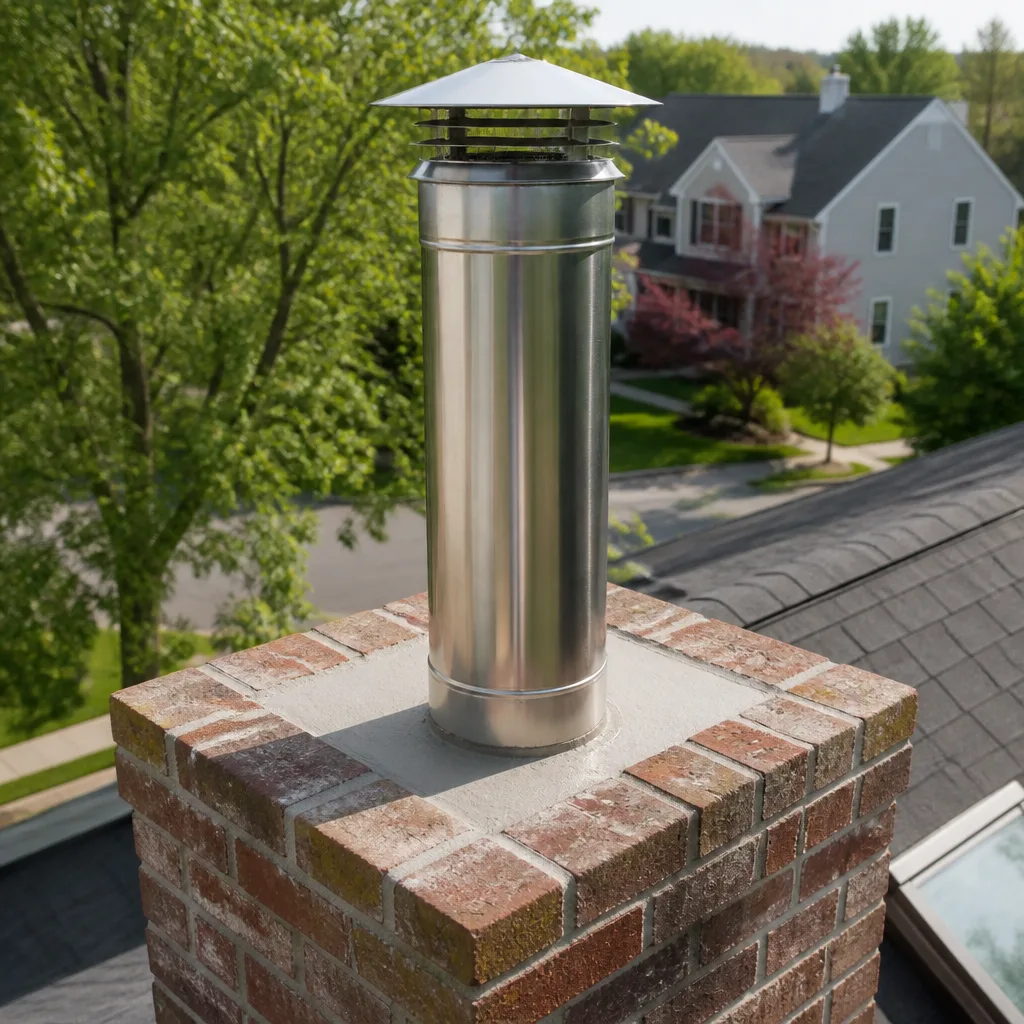 Flue relining
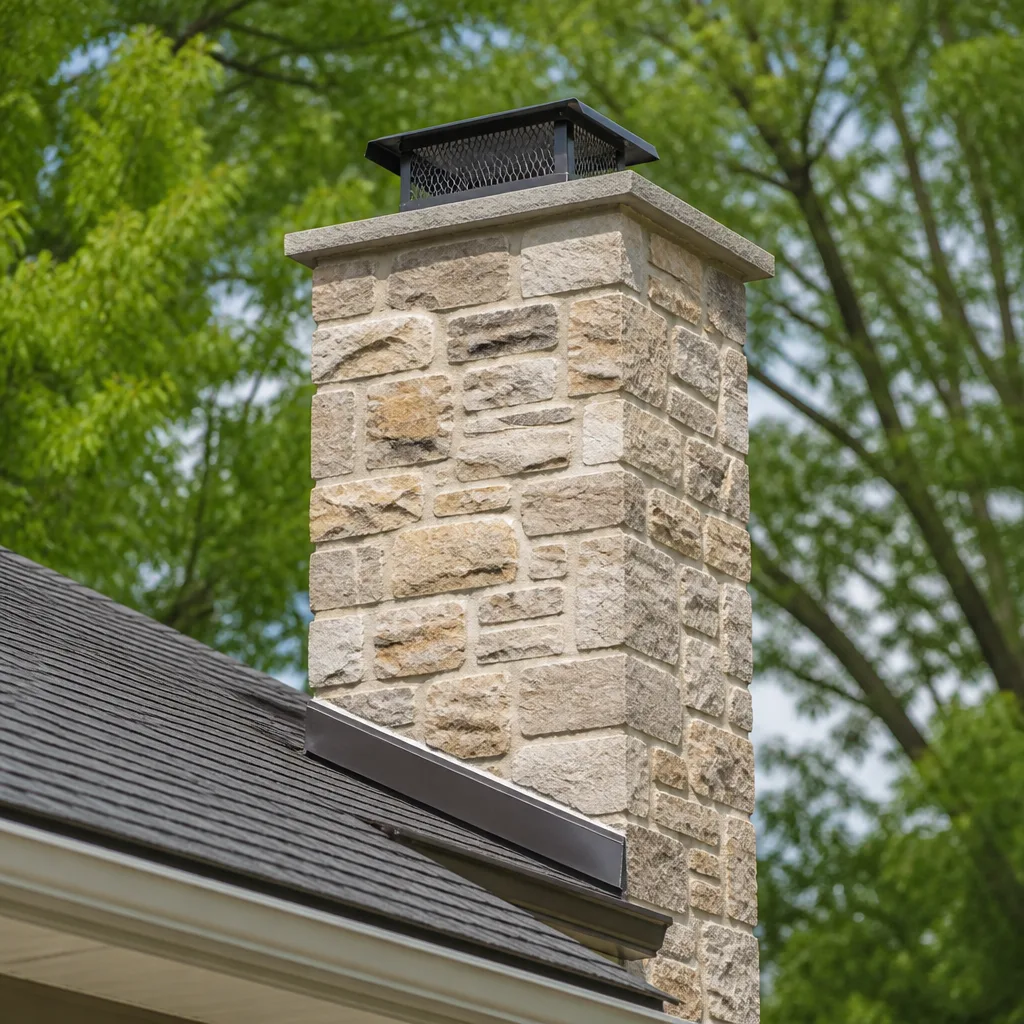 Masonry repair
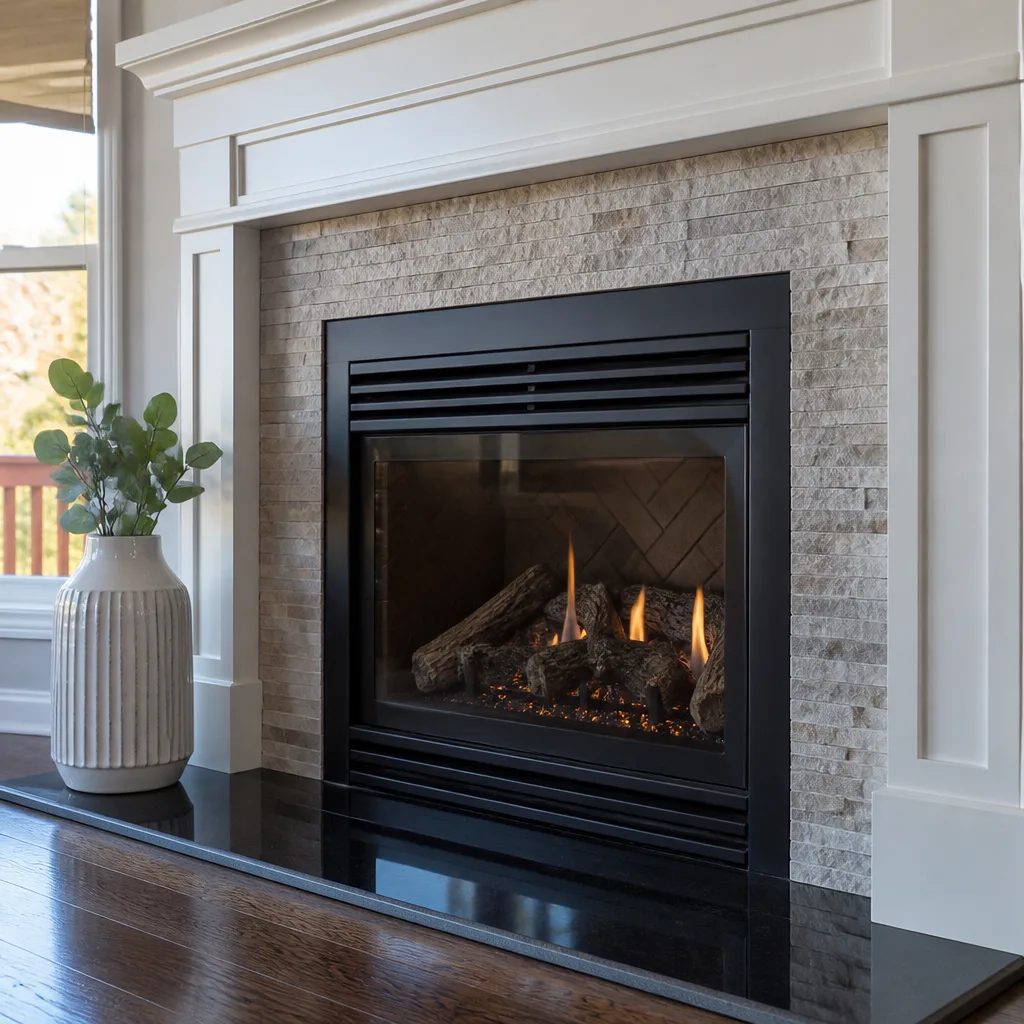 Gas fireplace service
Level 1 sweep and inspection to the NFPA 211 annual standard - flue, crown, cap, and flashing checked and photographed
Chimney sweep logs do not sweep chimneys. They loosen some creosote - which then falls where a brush and vacuum still have to collect it.
The Complete Guide to Chimney Cleaning in Miami
Most Miami homeowners fire up their fireplace fewer than 15 times a year. That’s not a typo. And here’s the part that surprises people: that low usage, combined with year-round coastal humidity and salt air, actually accelerates certain types of chimney deterioration faster than heavy northern use does. A fireplace in Minneapolis gets used hard for five months, then rests in dry cold. Yours sits in warm, damp, salty air for eleven months, then gets asked to perform for a handful of evenings in January. This guide explains what that means for your chimney, what a proper cleaning in Miami should actually involve, what it costs, and how to know when a sweep is enough or when you need a deeper inspection. For seasonal chimney cleaning care in Miami, see our year-round homeowner’s guide. It’s written from real experience in this market, not adapted from a generic template.
Quick Answer
Chimney cleaning in Miami typically costs between $180 and $340 for a standard sweep, and most homes need one every 1 to 3 years depending on how often the fireplace gets used and whether you burn wood or gas. A proper Miami chimney cleaning includes more than brushing the flue: it should include a visual inspection of the liner, cap, crown, and damper because humidity and salt air cause mortar and steel components to degrade even when the fireplace sits unused. Ashby Chimney Miami offers free estimates and written pricing before any work starts; call (850) 787-8597 to book.
Styles & brands we work with
Table of Contents
- Why Miami Chimneys Fail Differently Than Northern Chimneys
- How Often Should You Clean Your Chimney in Miami?
- What a Proper Chimney Cleaning in Miami Includes
- Sweep vs. Level 1 vs. Level 2 Inspection: What Miami Homeowners Actually Need
- What Chimney Cleaning Costs in Miami
- Common Mistakes to Avoid
- When to Call a Professional
- Frequently Asked Questions
Why Miami Chimneys Fail Differently Than Northern Chimneys
Most chimney advice online is written for houses that see snow. It assumes heavy use, creosote buildup from long overnight burns, and freeze-thaw cycles that crack brickwork. None of that applies in Miami. What applies here is humidity, salt air, and disuse, and the failure patterns are measurably different.
Salt air is the quiet killer. Miami sits at sea level, and the same salt that rusts patio furniture and eats car paint gets carried into your chimney on every ocean breeze. Salt accelerates corrosion on steel liners, damper assemblies, and chimney caps. We’ve pulled stainless steel caps off Miami chimneys that looked twenty years old after six years of coastal exposure. The salt doesn’t just sit on the surface; with humidity, it creates a conductive film that makes corrosion run faster than it would in a dry climate.
Humidity attacks mortar. Brick chimneys in Miami absorb moisture from the air itself, even on days with no rain. That moisture keeps the mortar joints damp for extended periods, which softens the mortar over time. In drier climates, mortar fails slowly through freeze-thaw cycles. Here, it fails through chemical softening and salt crystallization, which looks different: instead of spalling bricks and horizontal cracks, you get powdery, eroding mortar joints and bricks that crumble at the edges. The chimney can look fine from the driveway while the mortar is quietly turning to sand inside the flue.
Finally, disuse creates its own problems. A chimney that sits unused for eight months becomes a home for birds, wasps, and geckos. Debris accumulates. Moisture settles in. The flue never gets a chance to dry out from heat, which is exactly what prevents northern chimneys from developing certain types of water damage. Your fireplace in Miami is essentially a vertical tube that collects damp air year-round. That reality changes everything about how often you should have it inspected, which we’ll get into below.
For a deeper look at how Ashby Chimney Miami handles these specific South Florida conditions, see our Chimney Sweep in Miami page. We’ve also written about Ashby Chimney Miami home services in detail.
How Often Should You Clean Your Chimney in Miami?
The national advice says once a year. That’s the answer every generic chimney website gives, and for a wood-burning household in Ohio, it’s reasonable. In Miami, the honest answer depends on what you burn and how often.
Wood-burning fireplaces used more than 10 times per season
If you burn wood regularly during Miami’s short winter window (December through February), schedule a sweep every 1 to 2 years. Even short fires produce creosote, and Miami’s burn pattern produces a specific type: less of the thick, tarry glazing you see in cold climates, but more of a dry, flaky, crusty creosote that coats the flue walls in uneven layers. Short fires that never fully heat the flue leave condensation on the walls, and that condensation binds with combustion particles to create buildup. It’s less dramatic than a northern chimney, but it’s still combustible.
Gas log fireplaces
Gas fireplaces don’t produce creosote, but they do produce a fine, sulfurous soot that clings to the flue walls and can corrode metal liners over time. They also vent carbon monoxide, which is why a clean, unobstructed flue matters even when there’s no soot to scrape. Gas fireplace chimneys in Miami should be inspected every 2 to 3 years minimum, and swept when the inspection shows buildup or debris.
Fireplaces that almost never get used
This is the trap. Homeowners think no use means no maintenance. In Miami’s climate, the opposite is closer to the truth: a chimney that sits unused still collects salt, humidity, nests, and debris. We recommend a Level 1 inspection (explained below) every 3 years even if you never light the fireplace, because the corrosion and moisture problems we see in Miami don’t care whether the flue is getting used. The $150 inspection is cheap insurance against a $4,000 liner replacement.
Here’s a practical summary:
- Burn wood 10+ times per year: sweep every 1-2 years
- Burn wood occasionally (under 10 fires per year): sweep every 2-3 years, inspect annually
- Gas logs: inspect every 2-3 years, sweep as needed
- Never used: Level 1 inspection every 3 years, regardless of use
One more thing: if you’re buying a home in Miami with an existing fireplace, get a Level 2 inspection before you sign. Salt-air and humidity damage is often hidden, and the previous owner may not have looked at the chimney in years. We cover this in detail on our Chimney Inspection in Miami page.
What a Proper Chimney Cleaning in Miami Includes
You’d be surprised how many “chimney sweeps” in Miami show up with a brush and a vacuum and call it done. A legitimate cleaning is a process, and it should look a certain way. Here’s exactly what a proper Miami chimney cleaning visit should include, step by step, so you know what you’re paying for.
- Drop cloths and a sealed work area. The technician lays down protection around the fireplace opening before any tool touches the flue. Soot is fine, it’s sticky, and it’s impossible to get out of white tile grout. Any company that starts brushing without protecting the floor isn’t professional.
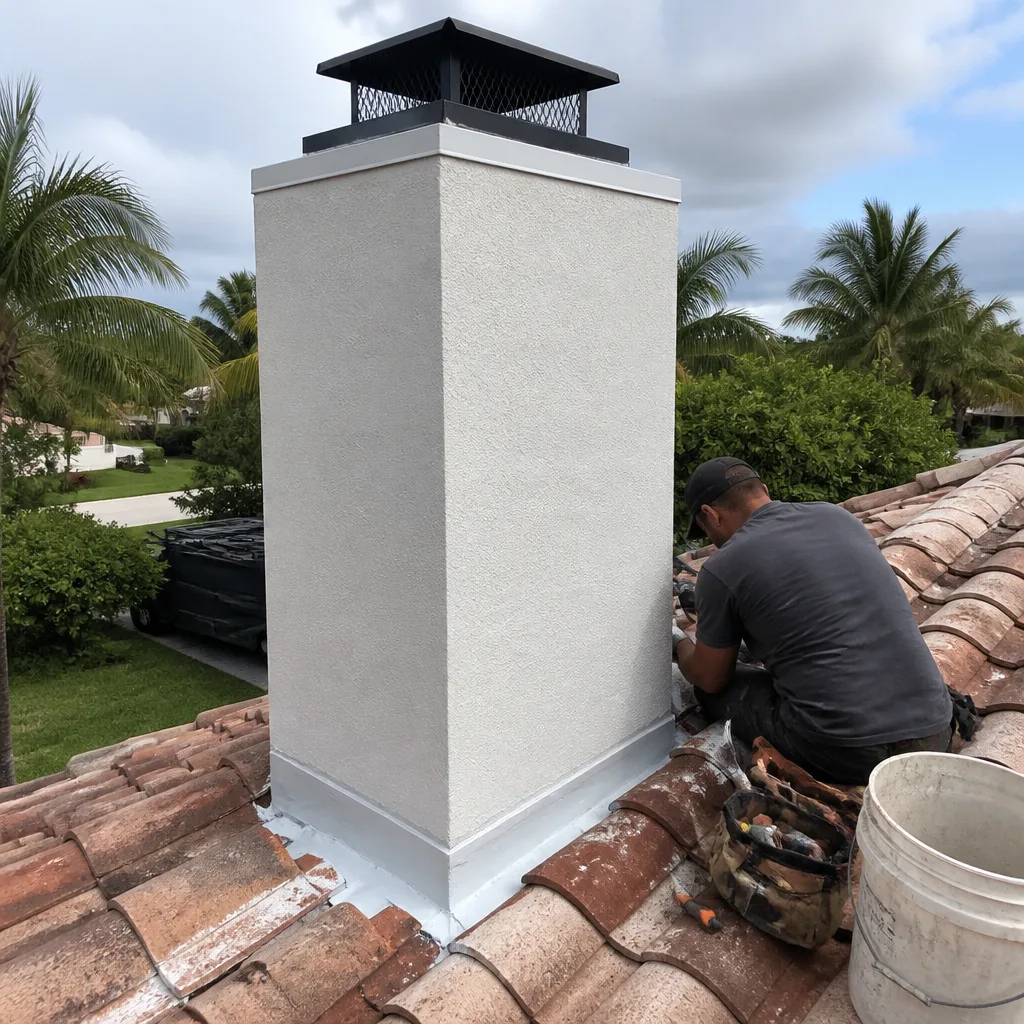
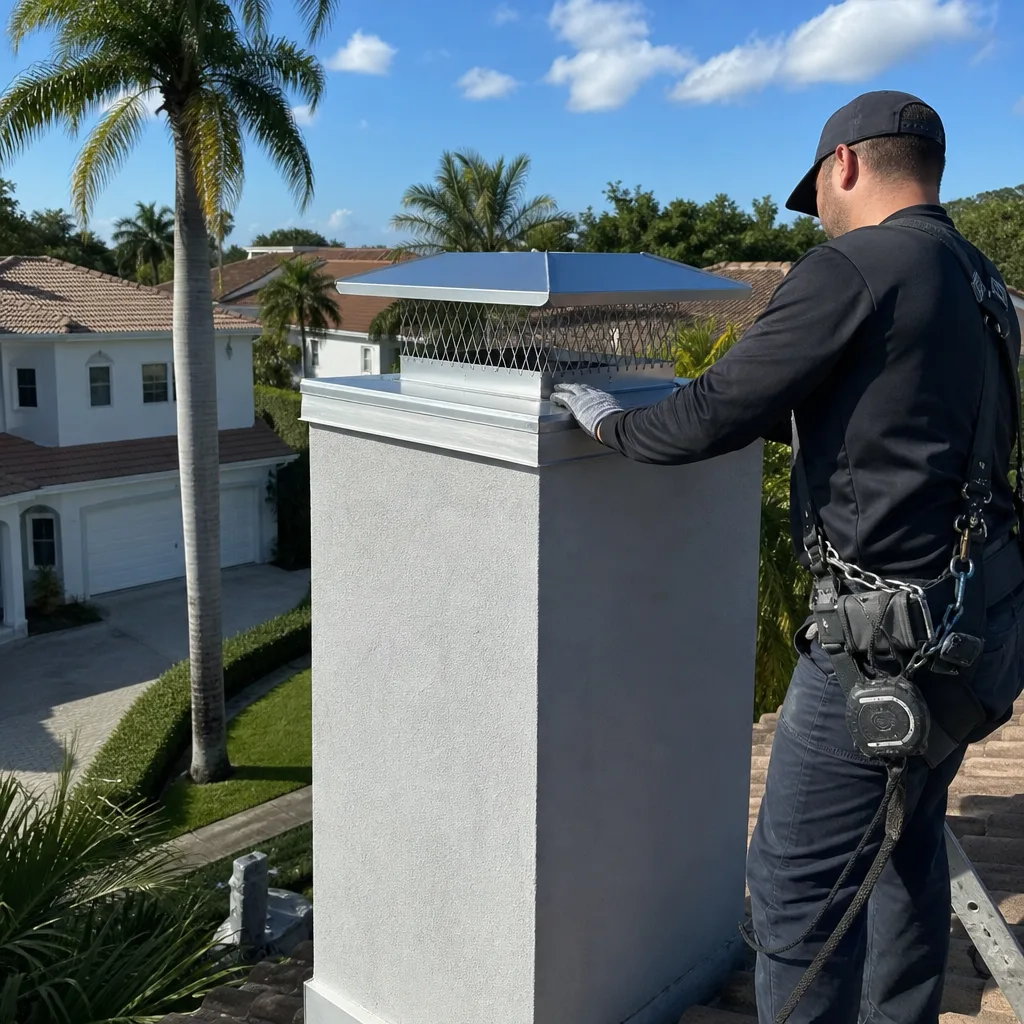
- Initial visual assessment. The tech looks at the firebox, damper, cap (if visible), and the top of the chimney from the roof or with a camera if roof access is difficult. In Miami, this matters because salt corrosion on chimney caps and flashing is often the first sign of a bigger problem.
- Brush the flue from top or bottom. The actual sweeping uses a correctly sized wire or poly brush matched to the flue dimensions. A professional carries multiple brush sizes, not one “universal” brush. The brushing dislodges creosote, soot, salt crust, and any light debris.
- Vacuum with a HEPA-filter chimney vacuum. A proper chimney vacuum captures the fine soot and dust. A shop vac will blow soot through your living room. The vacuum runs during the brushing to capture what comes down.
- Remove debris from the firebox and smoke chamber. The smoke chamber (the angled area above the damper where smoke collects before entering the flue) gets brushed and vacuumed. This area is often skipped by low-end sweeps, and in Miami, it’s where wasp nests and gecko debris accumulate.
- Check the damper. The tech operates the damper to make sure it opens, closes, and seats correctly. Salt air corrodes damper hinges and cables, and a damper that no longer seals is a common Miami failure.
- Inspect the flue liner, cap, and crown. During or after the sweep, the tech checks for cracks, gaps, corrosion, or deterioration. In Miami, clay tile liners often develop hairline cracks from moisture absorption, and steel liners show corrosion at the seams. If the tech sees a problem, they should tell you and show you pictures.
- Cleanup and verification. The work area is restored to the way it was found. A professional leaves the fireplace cleaner than they found it, not just sweeped.
Every Ashby Chimney Miami visit includes all of the above, plus a written price before any work starts and a written guarantee when the job is done. If a repair is needed, we use professional-grade materials from recognized chimney-trade brands including DuraFlex, HeatShield, and Olympia Chimney. Not whatever was left in the truck.
Sweep vs. Level 1 vs. Level 2 Inspection: What Miami Homeowners Actually Need
There’s a lot of confusion about what a chimney “cleaning” is versus a chimney “inspection.” They’re not the same thing, and in Miami, the difference matters because of the specific degradation patterns this climate creates. Here’s the direct breakdown.
Chimney Sweep
A sweep is a cleaning, pure and simple. The technician removes creosote, soot, debris, and obstruction from the flue, smoke chamber, and firebox. A sweep by itself does not assess the structural condition of the chimney in depth, though any competent tech will flag obvious problems they see while working. If your chimney has been swept recently and you just need it cleaned before the winter burn season, a sweep is the right call.
Level 1 Inspection
A Level 1 inspection is the standard visual check performed during or immediately after a sweep. The tech examines the readily accessible portions of the chimney: the firebox, damper, flue (as visible), cap, crown, and exterior chimney structure. No special access tools are used, and the tech doesn’t go into the attic or crawlspace. In Miami, a Level 1 inspection is what we recommend every 1 to 3 years, even if you rarely use the fireplace, because salt and humidity damage shows up in the accessible areas first. A Level 1 inspection in Miami typically costs between $100 and $200 when performed as part of a sweep.
Level 2 Inspection
A Level 2 inspection is more thorough. It includes everything in Level 1, plus access to the attic, crawlspace, and roof, and a video scan of the flue interior using a camera. Level 2 inspections are required when you’re buying or selling a home, when the chimney has been damaged by weather or fire, or when the system is being changed (like converting from wood to gas). In Miami, a Level 2 inspection is especially valuable in coastal neighborhoods like Coconut Grove, Key Biscayne, or anything east of US-1, where salt-air corrosion runs faster. It typically costs between $250 and $450 and takes about an hour.
When do you need which?
- Just need it cleaned before you burn: sweep, with a quick visual check
- Haven’t had the chimney looked at in 3+ years: Level 1 inspection
- Buying or selling a Miami home with a fireplace: Level 2 inspection, no exceptions
- Had water damage, a chimney fire, or suspect liner issues: Level 2 inspection
- Noticed rusty stains, peeling paint near the chimney, or a musty smell: Level 2 inspection
Ashby Chimney Miami performs both levels of inspection and always documents findings with camera footage, so you can see exactly what we see. No scare tactics, no mystery “recommendations” you can’t verify. For more on inspections, see our Chimney Inspection in Miami page.
What Chimney Cleaning Costs in Miami
Let’s talk about what you’ll actually pay. Miami chimney cleaning prices are generally in line with national averages, but there are a few local factors that push costs one way or the other. Here’s the straight pricing picture.
| Service | Typical Miami Price Range | What It Includes |
|---|---|---|
| Standard chimney sweep | $180 – $280 | Brushing, vacuuming, damper check, basic visual inspection |
| Sweep with Level 1 inspection | $250 – $340 | Everything above plus formal inspection and written report |
| Level 2 inspection (standalone) | $250 – $450 | Video scan, attic/roof/crawlspace access, detailed written report |
| Chimney cap replacement | $200 – $500 | New cap, material dependent (stainless steel costs more) |
| Damper repair or replacement | $250 – $600 | Parts and labor; cable dampers cost less, top-seal dampers more |
| Flue liner repair (partial) | $1,000 – $2,500 | HeatShield or similar resurfacing, depending on extent |
| Full flue liner replacement | $3,500 – $7,000 | New steel liner, insulation, and installation |
Those are honest ranges for the Miami market in 2025. What moves the price up or down?
- Roof access difficulty. Two-story Miami homes with steep roof pitches take longer to access than single-story ranch homes. Homes in Coconut Grove or Coral Gables with mature trees around the chimney also add time.
- Liner condition. If the liner is cracked or deteriorating, a simple sweep may turn into a liner resurfacing recommendation. We’ve seen this more in Miami’s coastal neighborhoods where salt air has been working on the liner for years.
- Whether the chimney has been cleaned recently. A filthy flue takes longer. A flue that was swept two years ago is fast.
- Time of year. Prices in Miami are stable year-round because the burn season is short, but expect slightly longer lead times in December and January as everyone thinks about their fireplace at once.
One thing that should never affect the price: what the technician thinks you can afford. Every Ashby Chimney Miami job gets a written price before any work starts, and the invoice matches the quote. That’s the Kingswell Way, and it’s non-negotiable. We also use professional-grade materials from recognized suppliers like DuraFlex, HeatShield, Gelco, and Olympia Chimney, so the price you pay covers materials that last in Miami’s salt air, not generic parts from a big-box store. If you need fireplace repairs in addition to a sweep, see our Fireplace Repair in Miami page for pricing details.
Common Mistakes to Avoid
Here are the mistakes we see Miami homeowners make most often, and how to avoid each one.
- Skipping inspections because “we never use the fireplace.” In Miami’s humidity and salt air, a dormant chimney is still deteriorating. Moisture and salt work on the mortar and steel whether you burn or not. A $150 inspection every few years catches problems before they become $5,000 problems.
- Hiring a general handyman who “also does chimneys.” Chimney work in Miami’s climate requires specific knowledge of salt-air corrosion and humidity-related liner issues. A handyman with a brush doesn’t carry the right materials, doesn’t know what South Florida deterioration looks like, and won’t catch a cracked liner before it becomes a fire risk.
- Using the fireplace as a trash incinerator. Burning wrapping paper, cardboard, or pressed wood creates high-temperature, high-volume fires that can crack flue tiles and ignite creosote. It’s dangerous anywhere, and in Miami’s humid air, the condensation from those fires accelerates creosote formation.
- Assuming a gas fireplace needs no chimney maintenance. Gas fireplaces vent carbon monoxide and water vapor. The flue still gets obstructed by nests and debris, especially in Miami where birds are active year-round. The water vapor from gas combustion also contributes to humidity damage inside the flue.
- Waiting until winter to schedule a sweep. Miami’s burn season is short, and every company gets busy in December. If you schedule in October or November, you’ll get better availability and you won’t be waiting two weeks for a sweep when the first cold front hits.
- Not asking for the guarantee in writing. A verbal promise means nothing when the repaired liner cracks again. Every Ashby Chimney Miami repair comes with a written guarantee, and if it fails during the guarantee period, we return and fix it at no charge. That’s the 365-Day Done Right Promise, and it’s in writing, always.
- Ignoring rust stains or musty smells near the fireplace. In Miami, those are early signs of water intrusion through the chimney crown or cap. By the time you see water damage on the ceiling, the repair bill has multiplied. Address the first sign, not the fifth.
When to Call a Professional
Chimney cleaning is not a DIY project. The flue is a confined space, the soot is carcinogenic, and you can’t see what’s happening inside the liner without a camera. If you notice any of the following, call a professional: a strong fireplace smell when the AC runs, visible rust or water stains near the chimney, small pieces of tile or mortar falling into the firebox, birds or animals in the chimney, or smoke backing up into the room when you light a fire. Any one of these means the chimney has a problem that a brush won’t solve. If it’s been more than two years since your last cleaning, or if you’ve never had the chimney inspected since buying your Miami home, get it scheduled before the next burn season. Ashby Chimney Miami offers free estimates in Miami, with a live person answering the phone 24/7. Call (850) 787-8597 to book, and you’ll get a written price before any work starts.
Frequently Asked Questions
A standard chimney sweep in Miami costs between $180 and $280, and a sweep combined with a Level 1 inspection runs $250 to $340. The price varies based on roof access difficulty, how dirty the flue is, and whether any repairs are identified during the visit. Call (850) 787-8597 for an exact quote; estimates are free and the written price is always provided before any work begins.
Most Miami homeowners should have their chimney swept every 1 to 3 years. If you burn wood more than 10 times per season, sweep every 1 to 2 years. If you use gas logs or rarely burn, inspect every 2 to 3 years and sweep when the inspection finds buildup or debris. Miami’s salt air and humidity cause deterioration even without use, so regular inspections matter more than heavy sweeping.
You only need a new liner or liner repair if the existing one is cracked, corroded, or otherwise unable to safely vent combustion gases. A legitimate Miami chimney company will show you camera footage of the problem before recommending any repair. We never recommend work without photographic evidence you can see for yourself, and if the damage is minor, we’ll tell you it can wait. Ashby Chimney Miami includes camera inspection with every Level 2 inspection, so you’re never asked to take a repair on faith. Call (850) 787-8597 to schedule.
Neglected chimneys in Miami develop three specific problems: creosote buildup, which can cause chimney fires; liner cracks and mortar deterioration from salt air and humidity, which can leak combustion gases into the home; and water intrusion through the crown or cap, which leads to mold, mildew, and structural damage to the chimney and surrounding walls. None of these problems announce themselves first. The first sign is often expensive.
Yes, significantly. Miami’s coastal humidity, salt air, and short burn season create different failure patterns than northern climates. The creosote is different in texture and distribution, salt accelerates corrosion on caps and liners, and dormant chimneys collect moisture and debris year-round. The cleaning process itself is similar, but a Miami chimney professional is looking for different problems and using materials rated for coastal exposure.
You can technically buy a brush and run it down the flue, but you’ll miss the actual problems. A DIY sweep doesn’t include a camera inspection of the liner, doesn’t catch salt corrosion, doesn’t assess the damper or crown, and puts you on a roof you may not be equipped to work on safely. In Miami’s climate, the value of a professional visit is in what gets found, not just what gets cleaned. The $180 to $280 sweep is cheap compared to the cost of missing a cracked liner.
The Bottom Line
Chimney cleaning in Miami is not a once a year, set it and forget it chore. It’s a climate-specific maintenance task shaped by salt air, humidity, and infrequent use. The flue you ignore for eleven months a year is still collecting moisture, still corroding, still inviting debris. What matters is finding a company that shows you what’s actually wrong, tells you plainly what it costs, and stands behind the work in writing. That’s how Ashby Chimney Miami has operated since 2002: written price before any work starts, written guarantee on every repair, and a live person on the phone 24 hours a day. For more guides & resources on chimney care, visit our blog. The Kingswell Guarantee covers every repair we make, and if it fails during the guarantee period, we come back and fix it at no charge. Call (850) 787-8597 for a free estimate, and know exactly what you’re getting before anyone touches your chimney.
Written by Nathan Corliss, Owner at Ashby Chimney Miami, serving Miami since 2002.
See the difference
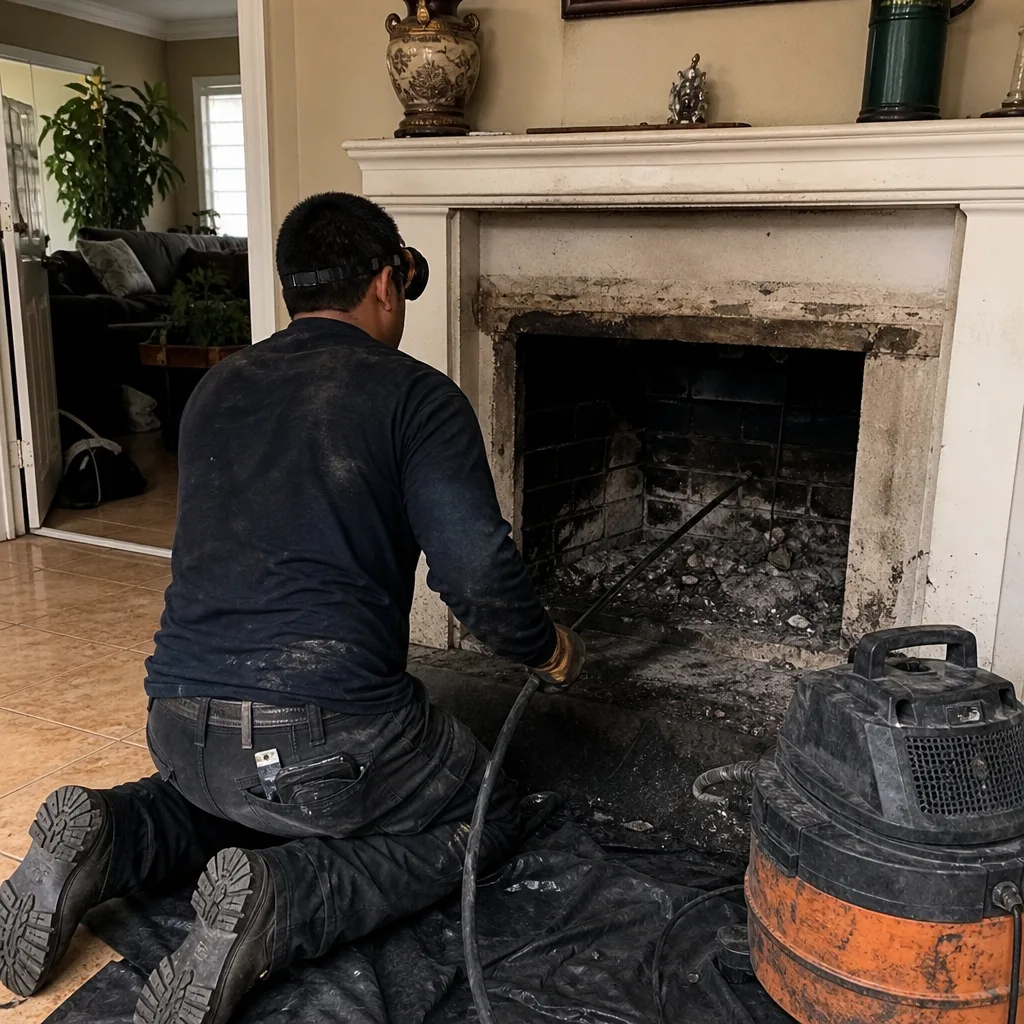 Before
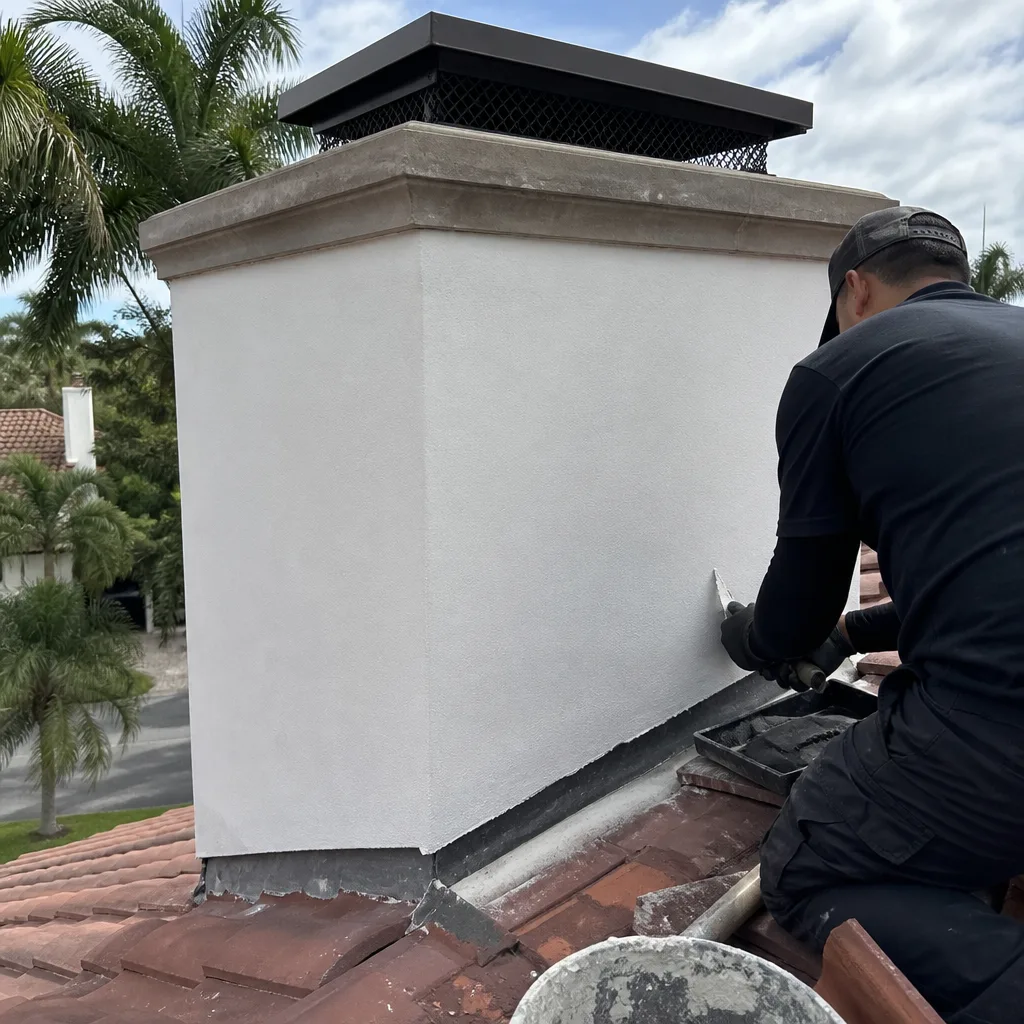 After
After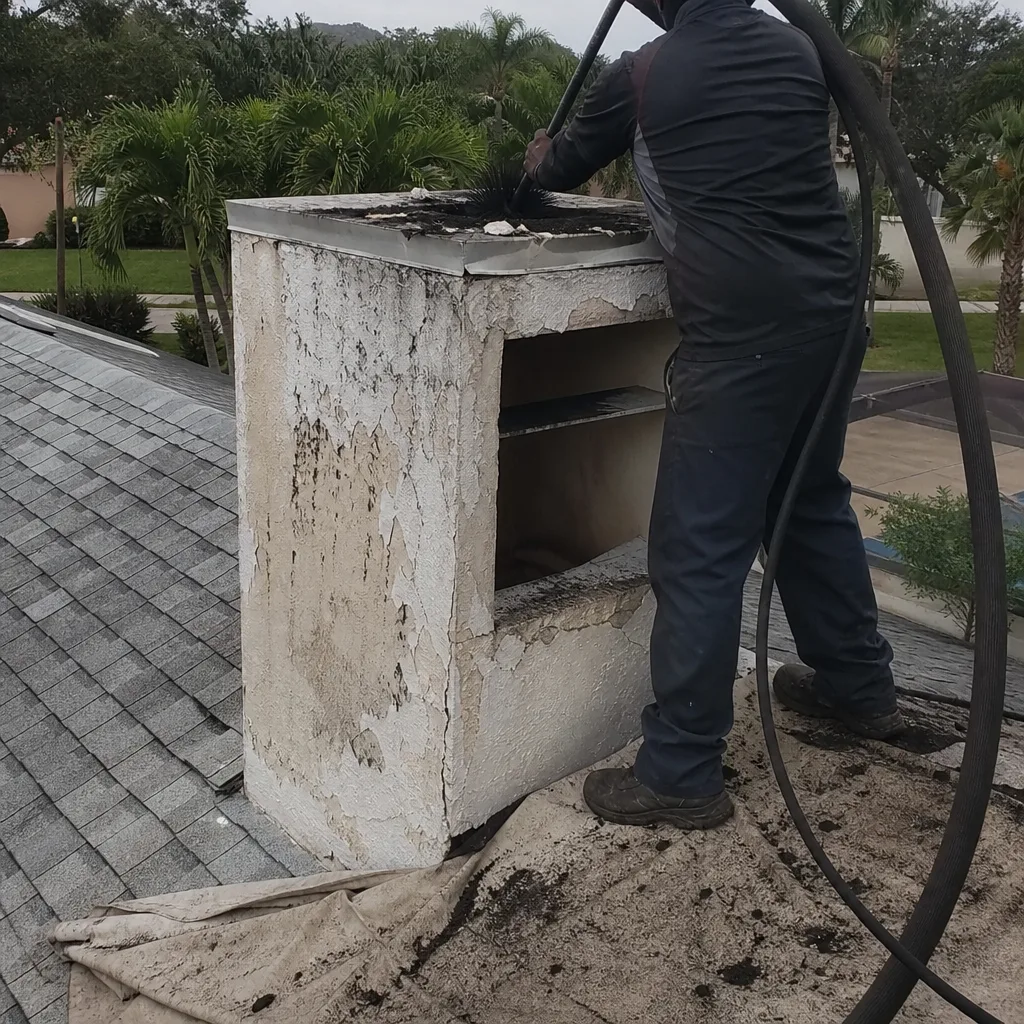 Before
 After
After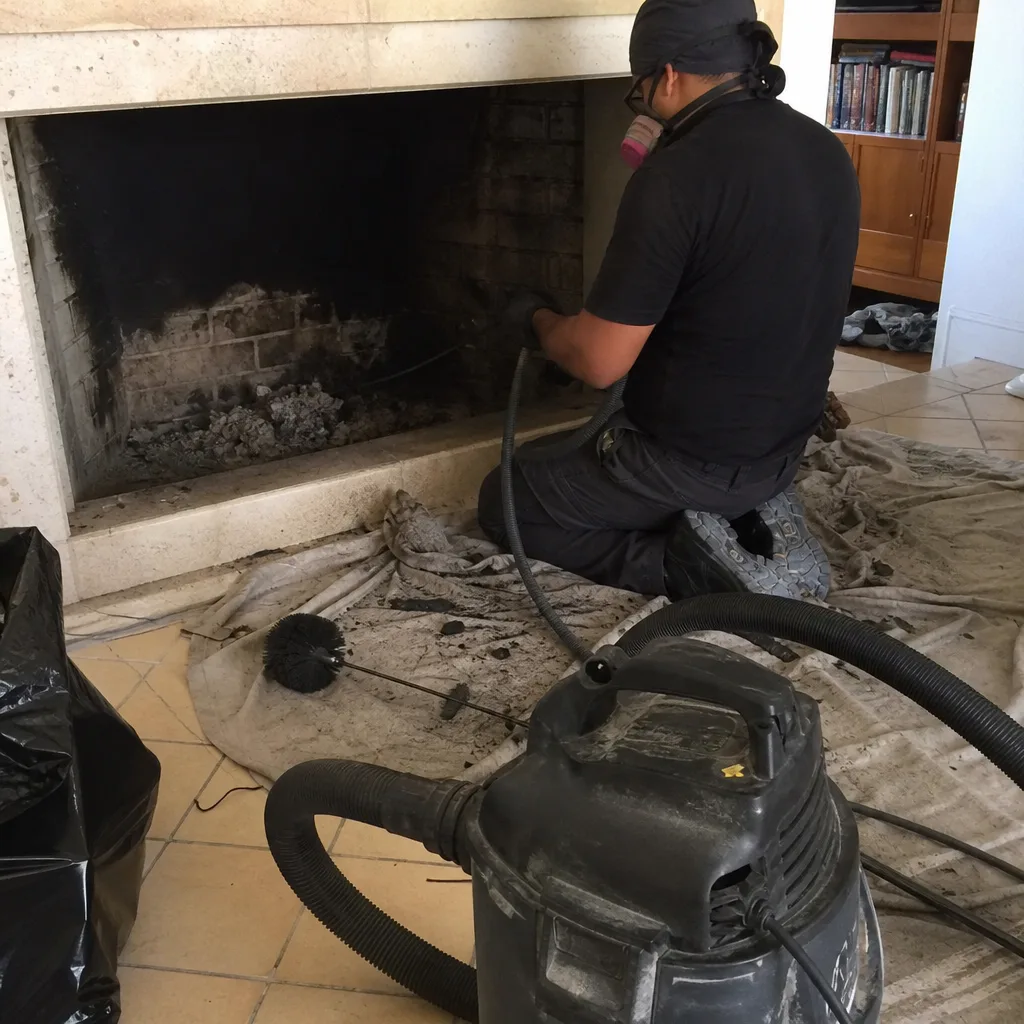 Before
 After
After