
Last updated October 15, 2026
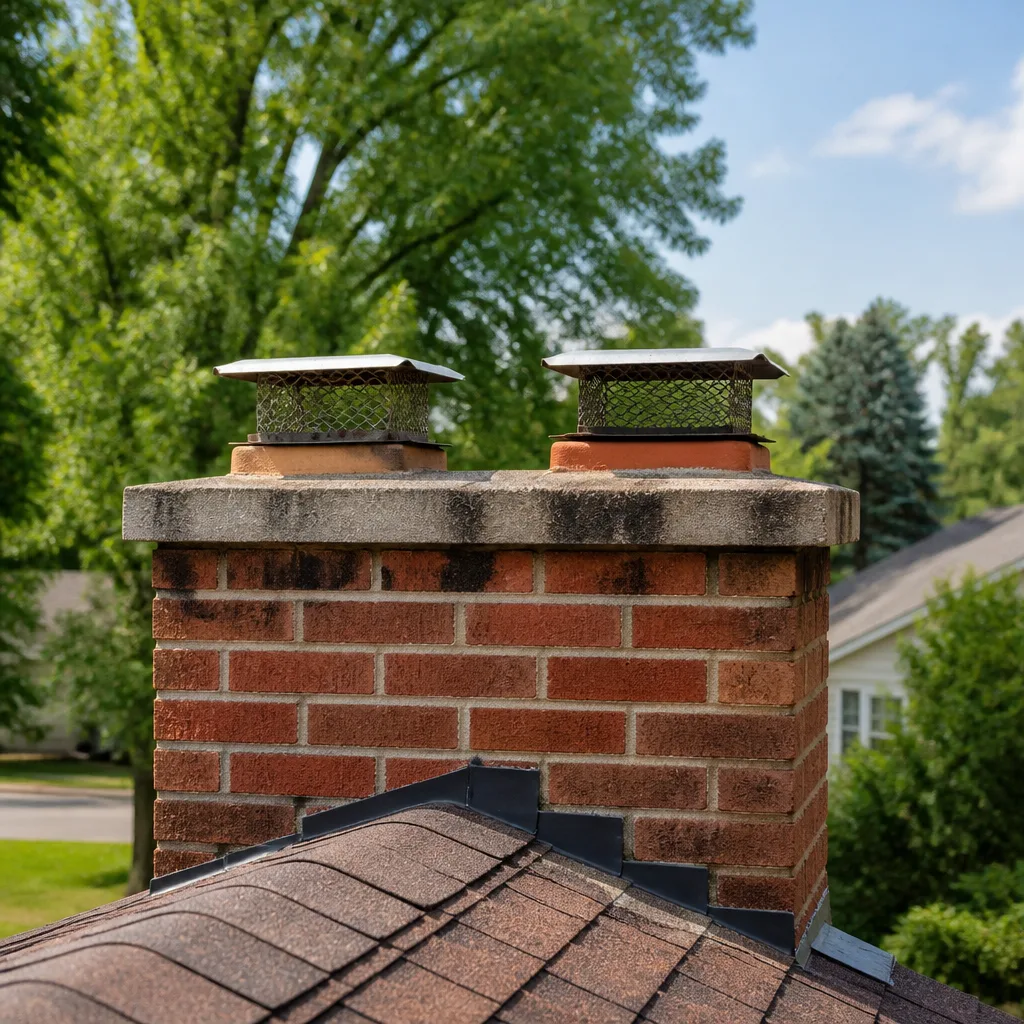 Sweep & inspection
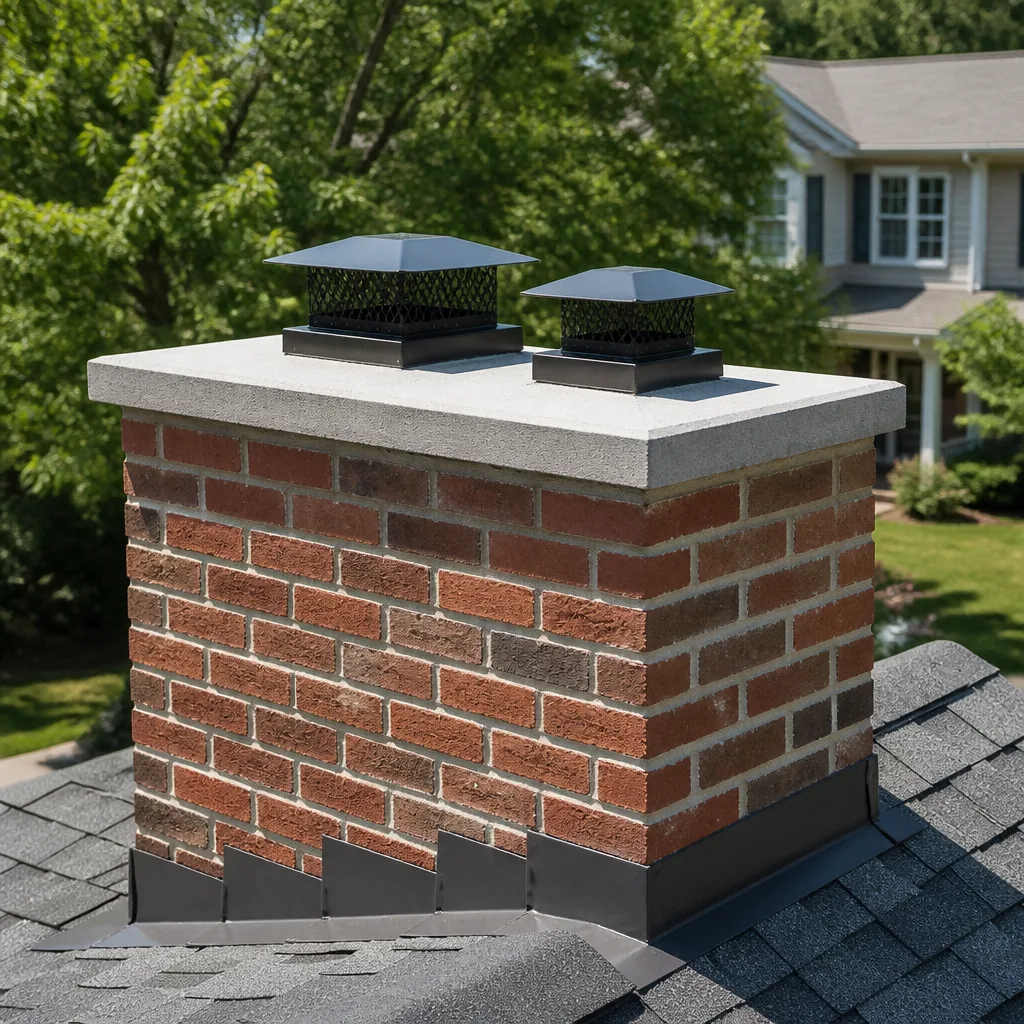 Caps & crowns
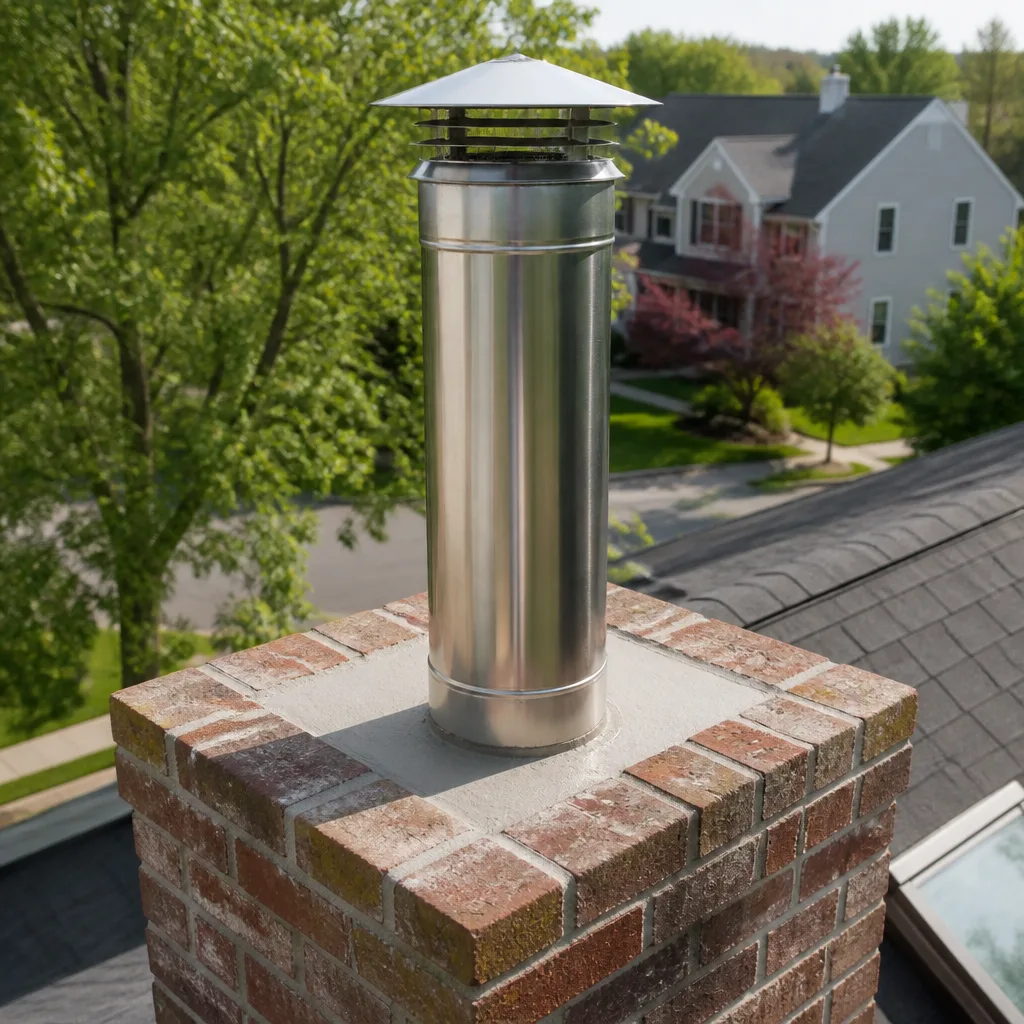 Flue relining
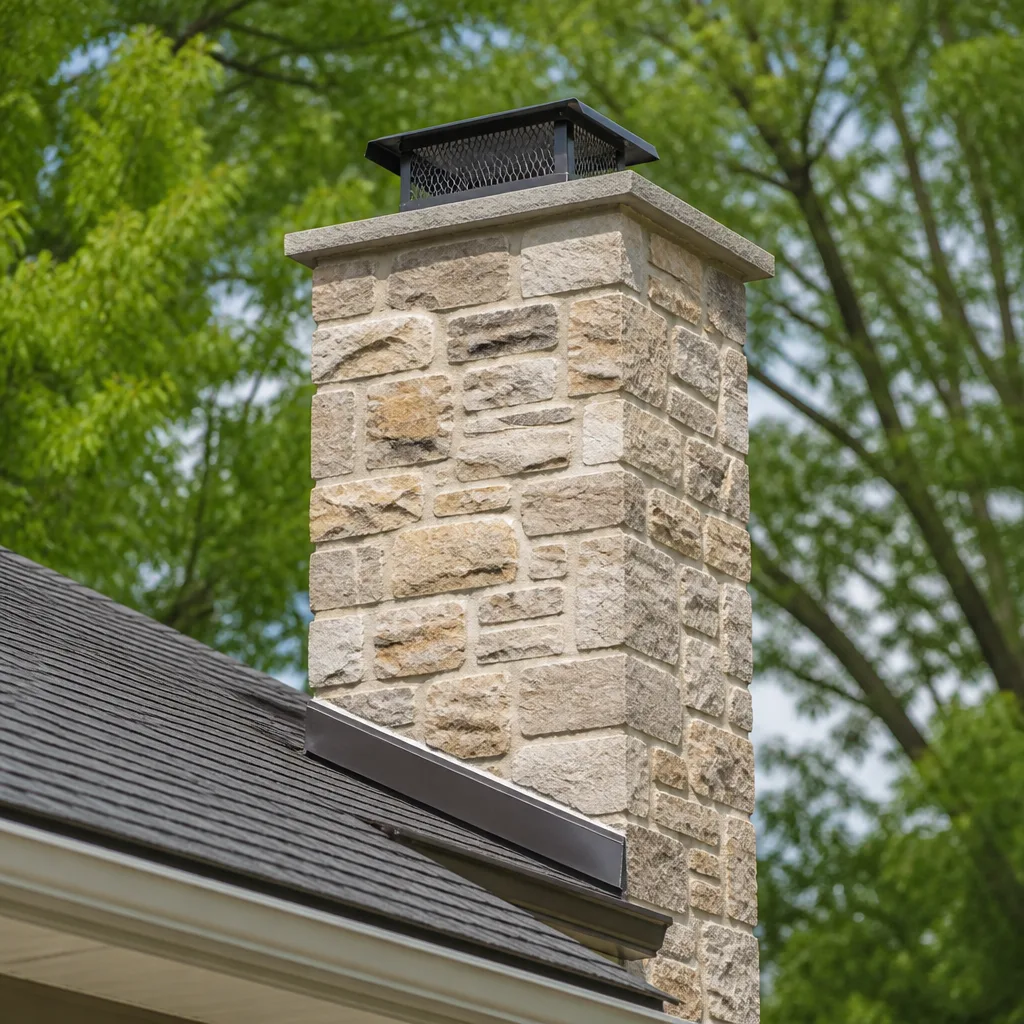 Masonry repair
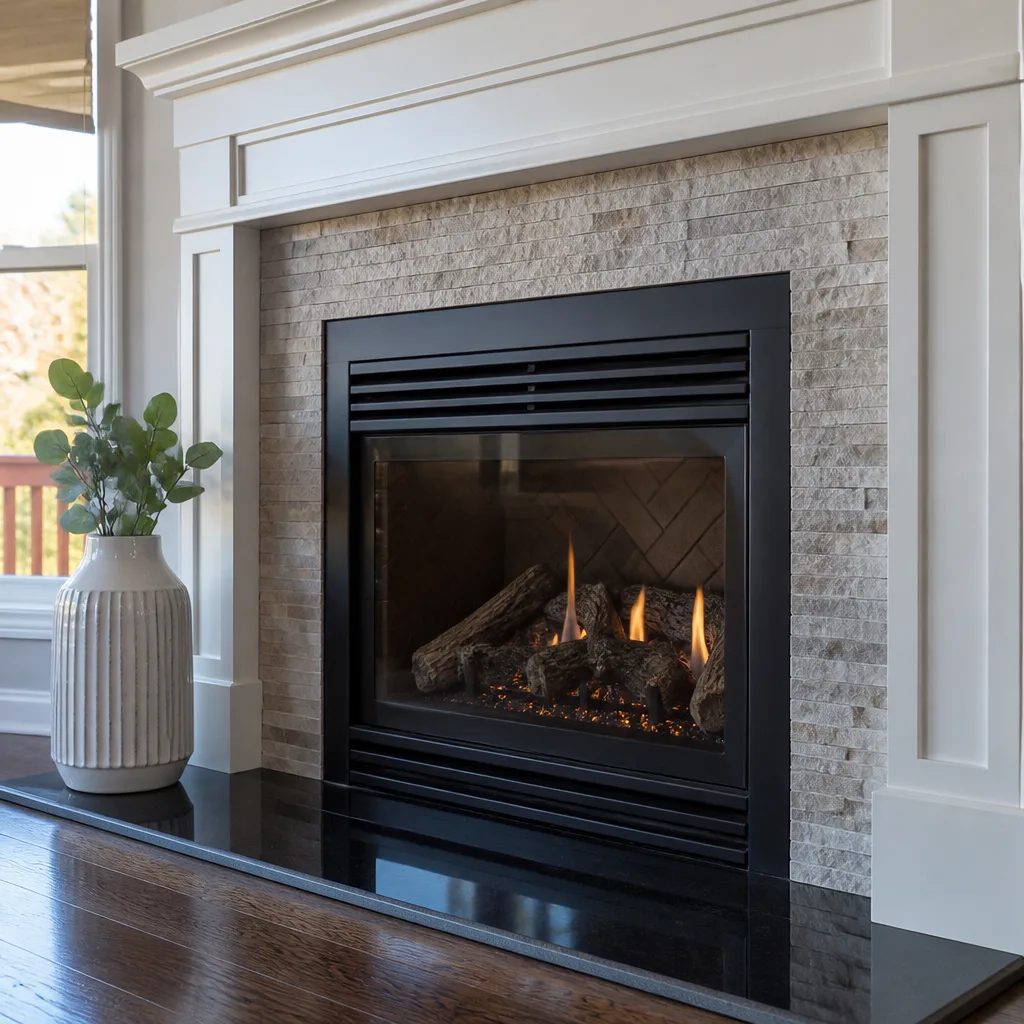 Gas fireplace service
Level 1 sweep and inspection to the NFPA 211 annual standard - flue, crown, cap, and flashing checked and photographed
Chimney sweep logs do not sweep chimneys. They loosen some creosote - which then falls where a brush and vacuum still have to collect it.
Chimney Sweep Maintenance Checklist for Miami Homeowners
The chimney damage most Miami homeowners discover in November didn’t happen during last winter’s fires. It happened in July, when the flue was sitting idle, uncapped, in 90% humidity. A fireplace that goes unused for ten months of the year isn’t resting. It’s absorbing moisture, collecting nests, and corroding quietly where nobody looks. This guide gives you a month-by-month maintenance checklist built specifically for Miami’s climate, plus the visual checks you can do safely from the ground and the signs that mean it’s time for our Chimney Sweep services.
Quick Answer
A Miami chimney maintenance checklist should split the year into two seasons: burn season (November through March), when you inspect before the first fire and sweep after every 40 to 50 burns, and off-season (April through October), when you check cap integrity, crown wash, flashing seal, and animal intrusion points after hurricane season. Most Miami chimneys need one professional sweep and inspection per year, scheduled in October before the first cold snap, plus three or four quick visual checks you can do yourself from ground level with a pair of binoculars. For deeper reading, see The Complete Guide to Chimney Cleaning in Miami.
Styles & brands we work with
Table of Contents
- Burn Season Checklist (November – March)
- Off-Season Checklist (April – October)
- Post-Hurricane Season Inspection: What Generic Checklists Miss
- Ground-Level Visual Checks You Can Do Safely
- Miami Animal Intrusion: Raccoons, Birds, and Iguanas
- When a Camera Inspection Beats a Naked-Eye Look
- What Chimney Maintenance Actually Costs in Miami
- Printable Sign-Off Format for Insurance and Records
Burn Season Checklist (November – March)
Burn season in Miami is short and intermittent. You might light a fire on ten nights between Thanksgiving and Valentine’s Day, or you might light three. That irregular use pattern creates a specific problem: creosote never builds up thick enough to be obvious, but it builds up unevenly, and uneven creosote is what ignites. Here’s the checklist to follow from November through March.
- First week of November: Schedule your annual sweep and inspection before the first fire. If you haven’t used the fireplace since March, ten months of humidity, dust, and possible animal activity have accumulated in the flue. You want a clean flue and a written inspection report before you strike a match.
- Before every first fire of the season: Open the damper fully and look up with a flashlight. You’re checking for debris, nesting material, or visible blockage. If you see anything that wasn’t there last year, don’t light the fire. Call for an inspection.
- After every 40 to 50 burns: Schedule a sweep if you’re a frequent burner. Most Miami households won’t reach this number in one season, which means one sweep per year covers it. But if you burn every weekend from November through February, you might hit 40 burns by mid-January, and a second sweep is worth scheduling.
- January: Do a mid-season visual check. Look at the exterior brick or stucco around the chimney for new cracks, efflorescence (white mineral staining), or spalling (flaking brick faces). Miami’s winter rain plus occasional temperature swings can open small cracks that were invisible in October.
- March: After your last fire, let the ashes cool for at least 72 hours, then remove them down to about an inch of ash. A thin ash layer actually helps with fire starting next season. Close the damper once the flue is fully cool. Leave the damper closed during off-season to reduce upward airflow that pulls humid air through the chimney.
One note from our experience in Miami: the biggest burn-season mistake is sweeping too early or too late. Sweep before your first fire and you’re good for the entire short season. Sweep in December after burning already started and you’ve already pushed creosote and any debris up against a hot flue. If you need a chimney sweep in Miami, October is the right month to book.
Off-Season Checklist (April – October)
Here’s the counterintuitive part of Miami chimney care: the off-season does more damage than the burn season. Between April and October, your chimney is an empty vertical shaft exposed to tropical humidity, daily temperature swings, and animals looking for a dry place. A checklist that ignores this part of the calendar isn’t a Miami checklist.
- April: After the last fire, inspect the firebox for cracks in the refractory panels or firebrick. Small heat stress cracks from the winter are easier to spot in daylight when the firebox is cold and clean.
- May: Check the chimney cap from the ground with binoculars. Look for rust, missing mesh sides, or a cap that’s shifted off-center. A damaged cap in May means a raccoon or bird getting in by June.
- June: This is the start of Miami’s true wet season. Walk around the base of the chimney after a heavy rain and look for damp spots on interior walls or ceilings near the chimney chase. Water staining in June points to flashing or crown failure from the winter.
- July: Peak humidity month. If you have a traditional masonry chimney, look for efflorescence (white mineral deposits) on the exterior brick. This tells you moisture is wicking through the masonry and carrying salts to the surface. It’s an early warning sign, not a cosmetic issue.
- August: Mid-hurricane-season check. Make sure the cap is still seated properly and the spark arrestor mesh isn’t clogged with palm fronds, debris, or nesting material. A clogged mesh is a hidden draft killer and a fire hazard.
- September: Peak hurricane month. After any major storm, do the full post-hurricane inspection described in the section below. Even if the house looks fine from the yard, wind-driven rain can damage cap screens and loosen flashing.
- October: Book your annual sweep and inspection. This is the single most important off-season task. A clean, inspected, camera-verified chimney in October means a safe burn season in December.
Most Miami homes use the fireplace so infrequently that skipping maintenance feels harmless. But the flue isn’t just for smoke. It’s a vertical hole in your roof envelope. Unmaintained, it’s how moisture, humidity, and animals get into the house. The Ashby Chimney Miami home maintenance philosophy is built around this: protect the flue year-round, not just when it’s in use.
Post-Hurricane Season Inspection: What Generic Checklists Miss
Any national chimney checklist will tell you to inspect after a storm. But Miami homeowners deal with a specific storm profile: high wind, horizontal rain, flying debris, and salt spray if you’re near the coast. That combination attacks three components in ways a generic guide won’t mention.
Cap integrity. Hurricane-force wind doesn’t just lift caps. It pries at the mounting brackets and bends the mesh. A cap that looks fine from the ground can have loose attachment screws or a bent spark arrestor that’s now sitting against the flue tile, creating a partial blockage. After any named storm, look at the cap edges with binoculars. If it’s cocked even slightly, call for a closer look. A damaged cap left through the next burn season is how you get water intrusion and animal entry at the same time.
Crown wash. The crown is the concrete slab that caps the masonry and sheds water away from the flue. Miami’s intense sun plus storm-driven rain stresses crowns faster than almost any market in the country. Look for hairline cracks radiating out from the flue tile. Those cracks widen with every heat-cool cycle from the summer sun. Once water gets into a crown crack, it migrates down through the masonry and freezes only rarely this far south, but it still causes efflorescence and spalling. The fix right now is usually a crown sealer like Gelco at a few hundred dollars. Wait two years and the fix is a full crown rebuild at three to five times that.
Flashing seal. Flashing is the metal that seals the gap where the chimney meets the roofline. Hurricane wind works the edges of flashing loose. The sealant degrades faster near salt air. After a storm, look at the roofline around the chimney for lifted edges, gaps, or missing sealant. If you’re comfortable on a ladder, a visual check from the roofline is ideal. If you’re not, note any water staining at the ceiling near the chimney, or just call a professional to take a look.
One thing we’ve learned in Miami: post-hurricane chimney damage is usually small and repairable in October, and expensive by the time it’s discovered in December. The window between storm season and burn season is about six weeks. Use it.
Ground-Level Visual Checks You Can Do Safely
You don’t need to get on the roof to do meaningful chimney maintenance in Miami. Most of what you need is visible from the ground with a pair of binoculars and a little patience. Here’s what to look for and what each sign means.
Check the cap profile. Stand in the yard and look at the silhouette of the chimney top. The cap should sit flat and level on the flue. If it’s tilted, shifted, or missing mesh on one side, that’s a professional repair. A tilting cap means mounting brackets are failing and the next storm will finish the job.
Scan the crown surface. From the right angle, you can see the flat concrete surface of the crown. Look for dark lines, cracks, or patches of missing concrete. Dark lines are active water paths. Missing concrete is spalling, which means the reinforcing steel is rusting and pushing the concrete apart from within. Both need a crown seal or rebuild before the next rainy season.
Inspect the flashing line. From the ground, you can see the bottom few inches of the chimney where it meets the roof. Look for gaps between the metal flashing and the brick or stucco. Look for lifted metal edges after storms. Look for dark staining that suggests water running where it shouldn’t. If you see any of these, a chimney inspection is the right next step.
Look for efflorescence. White mineral staining on the exterior brick or stucco means water is moving through the masonry. It’s not an emergency, but it means the chimney is absorbing more moisture than it should. In Miami, that’s usually a sign of crown or cap failure allowing rainwater into the structure.
Watch for animal activity. Morning and late afternoon are the best times to spot animals using the chimney. Birds will perch on the cap. Raccoons will climb at night. Iguanas are a Miami specialty and will sun themselves on the cap or upper brick during the day. Any consistent animal presence means the cap mesh is either damaged or missing entirely.
These ground-level checks take about ten minutes and cost nothing. Do them in May, August, and October, plus after any named storm. If any check turns up something unusual, call for a professional chimney inspection in Miami before the next fire.
Miami Animal Intrusion: Raccoons, Birds, and Iguanas
Animal intrusion is a Miami chimney problem in a way it isn’t in most markets. The animals are different here, and so is the timing. In colder climates, chimney animals seek warmth in winter. In Miami, they seek shelter from sun and rain year-round. Here’s what to know about the three most common chimney intruders in South Florida.
Raccoons. Raccoons see an uncapped flue as a hollow tree. A female raccoon will climb a stucco or brick chimney in April or May and build a nest on the smoke shelf just above the damper. You’ll hear scratching, chittering, and movement at night. You might smell a musky odor near the fireplace. Fresh activity means new nesting material around the cap or paw prints on the exterior brick. If you suspect raccoons, do not light a fire. The smoke will kill young animals in the flue. Call a professional who can remove them and then repair the cap so they can’t return.
Birds. Chimney swifts and other cavity-nesting birds are common in Miami flues, especially between April and July. You’ll hear high-pitched chirping from inside. You may see birds flying into and out of the cap at dawn and dusk. A proper chimney cap with correct mesh screening prevents birds. If birds are already inside, removal requires professional care because chimney swifts are federally protected during nesting season.
Iguanas. This is the Miami-specific one that national guides will never mention. Iguanas climb brick and stucco easily. They’re drawn to the warm concrete of a chimney crown and the sheltered gap under a loose cap. They’ll leave droppings on the crown and around the cap, and in rare cases they’ll fall into the flue and die, creating a blockage and an odor problem. If you see iguanas regularly on or near the chimney, the cap has gaps. The fix is a properly sized cap with intact mesh, not trapping the iguana.
The signature of fresh animal activity is mess at the crown level: droppings, nesting debris, displaced mesh, scratches on the brick. Old activity looks dried out, bleached by sun, washed by rain. The first means an animal is there now or very recently. The second means an animal was there and the entry point may still be open. Both justify an inspection.
When a Camera Inspection Beats a Naked-Eye Look
Some chimney problems are visible from the ground. Most are not. The inside of a flue is dark, narrow, and angled, and the most dangerous issues live where no flashlight from below can reach. In Miami, where flues sit idle for months and moisture is a constant, a camera inspection is the difference between catching a cracked flue liner in October and discovering it after a chimney fire in January.
A professional chimney camera inspection runs a high-resolution video camera up the flue from the firebox to the cap. The technician watches the screen in real time and records the footage for the report. Here’s what a camera finds that the naked eye misses:
- Cracked or separated flue tiles. Clay tile liners crack from heat stress or water damage. A crack as small as a hairline lets combustion gases escape into the chimney cavity. You can’t see this from below. The camera sees it immediately.
- Creosote buildup in the upper third of the flue. The lower flue is easy to inspect visually. The upper third, especially above the smoke shelf, is not. Creosote can build up there unevenly even with light use, and it’s the most likely ignition point for a chimney fire.
- Hidden animal nests. A nest on the smoke shelf may be invisible from below if it’s compacted or positioned behind the damper. The camera shows it clearly.
- Water damage paths. Dark staining on the interior flue wall shows where water has been running. The camera can trace the path back to the source: a crown crack, a damaged cap, a flashing leak, or a failed mortar joint.
- Damper misalignment. A damper that doesn’t seat fully lets conditioned air escape all year and lets humid Miami air flow up through the flue constantly. The camera verifies the damper position and seal.
Every professional sweep from fireplace repair in Miami to full inspection should include camera verification. If you’re told a repair is needed, the camera footage is your proof. That’s the standard we operate under. A recommendation without camera evidence is a guess, and you shouldn’t pay for a guess.
What Chimney Maintenance Actually Costs in Miami
Chimney maintenance in Miami is cheaper than chimney neglect by a factor of about ten. Here’s what you can expect to pay in this market, in plain dollars.
| Service | Typical Miami Price Range | Frequency |
|---|---|---|
| Chimney sweep (standard, one flue) | $150 – $300 | Annually |
| Chimney inspection (visual, Level 1) | $100 – $250 | Annually, usually with sweep |
| Chimney inspection (camera, Level 2) | $250 – $500 | After storms, property sale, or suspected damage |
| Chimney cap replacement (standard stainless) | $200 – $600 installed | When damaged; typically every 8 – 12 years |
| Crown seal (Gelco or similar) | $300 – $700 | When cracks appear; lasts 5 – 10 years |
| Flashing repair or replacement | $400 – $900 | When leaks are found |
| Flue liner replacement (stainless) | $2,500 – $6,000 | When the existing liner is cracked or failed |
These ranges reflect what we see across Miami: the cost of labor here is higher than in smaller Florida markets, and materials sourcing through recognized chimney-trade brands like DuraFlex and Olympia Chimney adds cost up front but extends the life of the repair significantly.
Here’s the math that matters. A routine sweep runs $150 to $300. Replacing a cap before it fails runs $200 to $600. Sealing a crown before cracks spread runs $300 to $700. Compare that to a flue liner replacement at $2,500 to $6,000, and the case for annual maintenance makes itself. The most expensive chimney in Miami is the one that gets ignored for five years.
Every job at Ashby Chimney Miami gets a written price before any work starts. That price is the price. If a repair is needed, the written guarantee accompanies it, covered under the 365-Day Done Right Promise. If it fails within the guarantee period, we return and fix it at no charge.
Printable Sign-Off Format for Insurance and Records
Documentation matters. If you ever file a claim for water damage, animal intrusion, or a chimney fire, your insurance adjuster will ask when the chimney was last inspected and what maintenance was performed. A simple hand-written log is not enough. Here’s a sign-off format that holds up.
Copy this format into a document or spreadsheet and complete each line when the work is done. Keep it with your home records. Also attach the camera inspection report and the written guarantee if you had a repair done.
Chimney Maintenance Log – Miami Homeowner
- Date of maintenance: ______________
- Type of service: Sweep / Inspection / Repair (circle one)
- Service provider: ______________
- Technician name: ______________
- Camera inspection performed? Yes / No
- Cap condition: Intact / Damaged / Replaced
- Crown condition: Good / Cracked / Sealed
- Flashing condition: Good / Damaged / Repaired
- Animal activity found? Yes / No
- Repairs completed: ______________
- Guarantee period: ______________
- Next service due: ______________
This format takes two minutes to fill out and makes your maintenance history credible to anyone who asks. It also helps you remember when the next inspection is due. Most Miami homeowners who maintain a log like this schedule their annual sweep in October without thinking about it, because the log reminds them.
Common Mistakes to Avoid
- Lighting a fire after months of idle without inspecting first. If animals nested in May and you light up in December, the result is smoke backup at best and a flue fire at worst. Always inspect before the first burn.
- Closing the damper while embers are still warm. This traps combustion gases and moisture in the flue. Wait until the firebox is fully cold, usually the next morning.
- Using the fireplace after a hurricane without checking the cap. A shifted cap or dented mesh can create a partial blockage. Wind-driven rain can also leave the flue wet, and lighting a fire in a wet flue causes rapid steam expansion that can crack clay tiles.
- Ignoring efflorescence on the exterior brick. White mineral staining is a moisture warning sign, not a cosmetic issue. The sooner you address it, the cheaper the fix.
- Removing the chimney cap to “improve draft” or because it’s “in the way.” An uncapped flue in Miami is an open invitation to rain, humidity, and animals. The cap is not optional.
- Relying on a visual inspection alone when a repair was recommended. If a technician says the liner is cracked, ask for camera footage. Without it, you’re paying for a guess.
- Skipping annual maintenance because you rarely burn. The majority of the year your chimney is unused, which means the failure risks are moisture and animals, not creosote. Annual maintenance catches all of it.
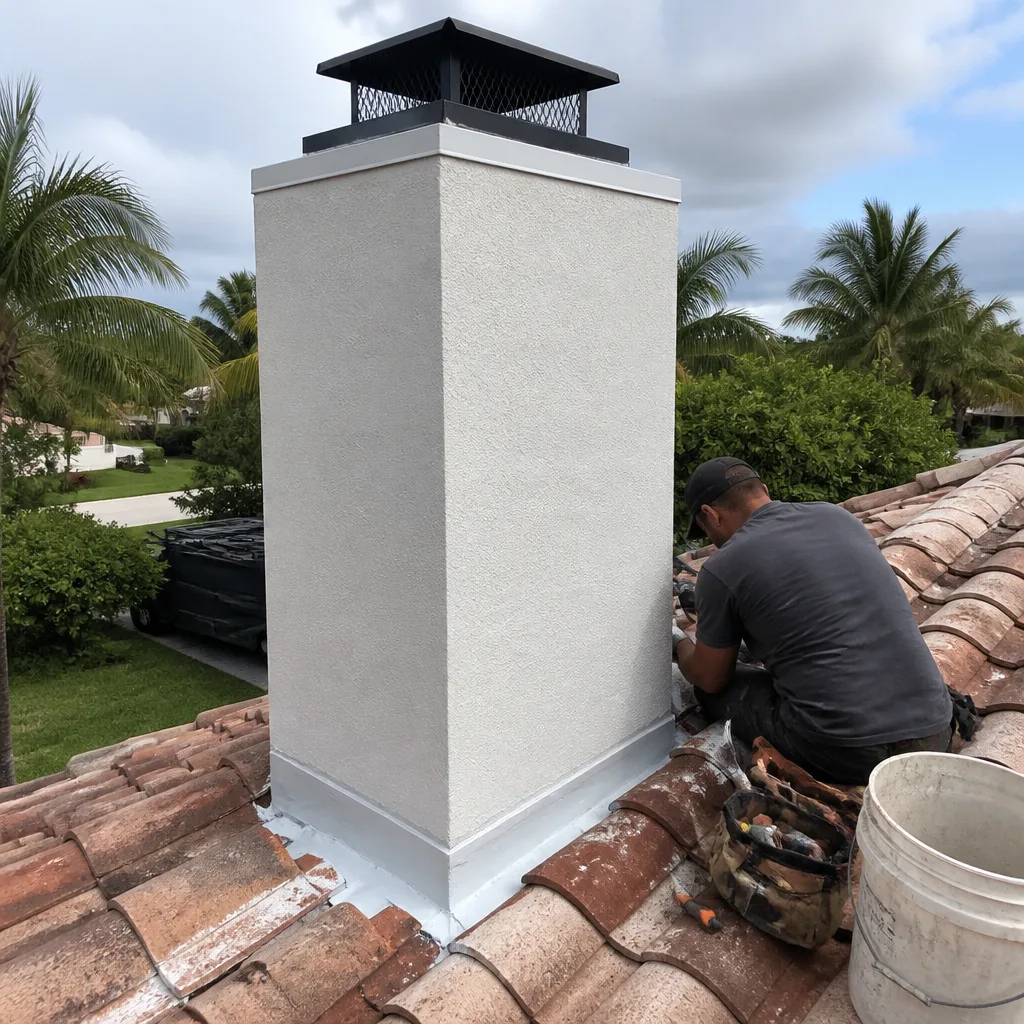
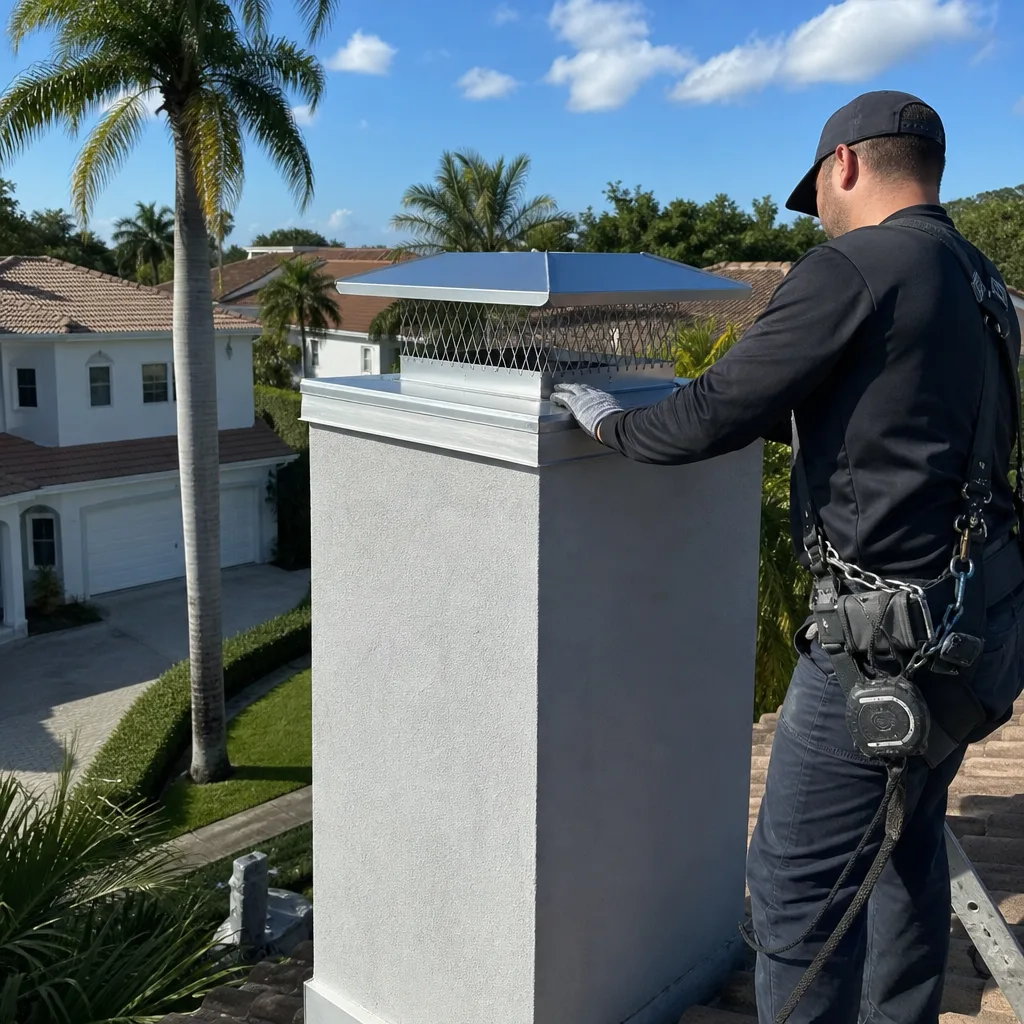
See the difference
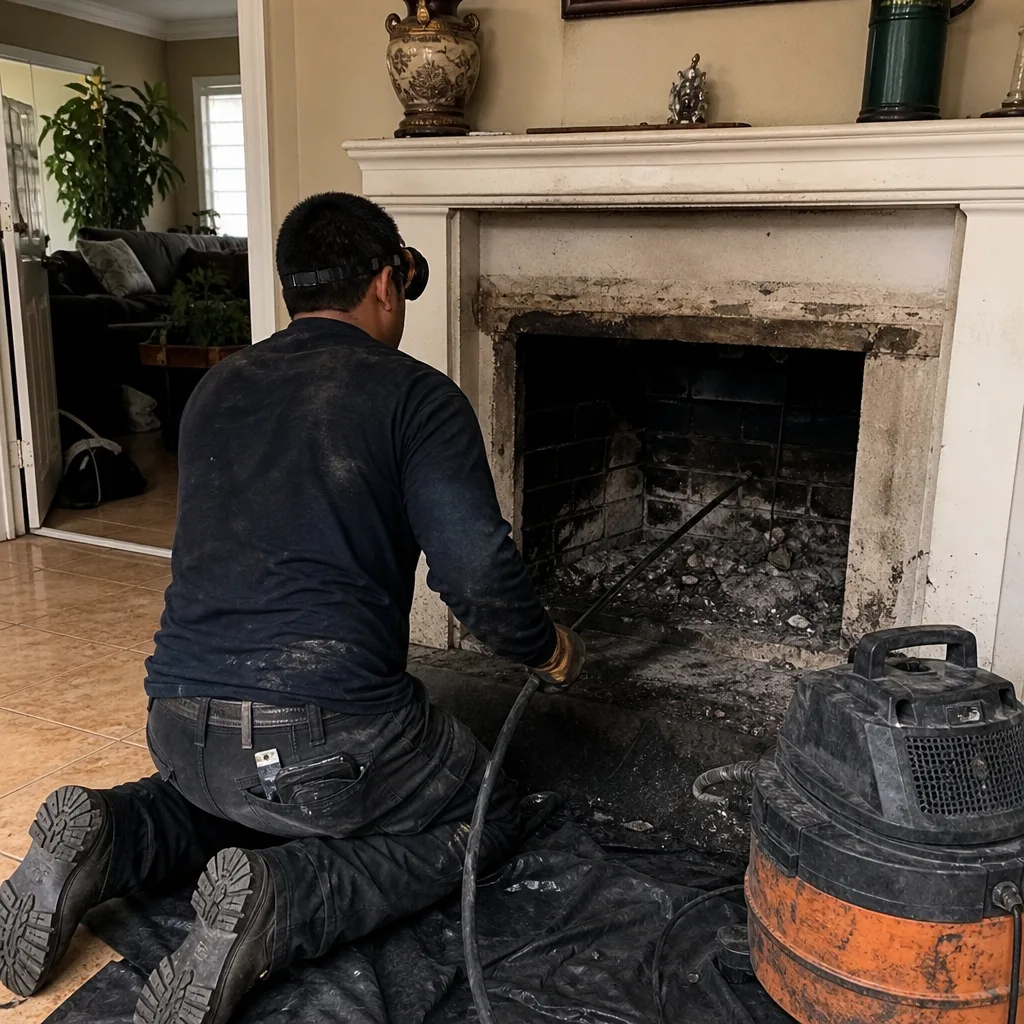 Before
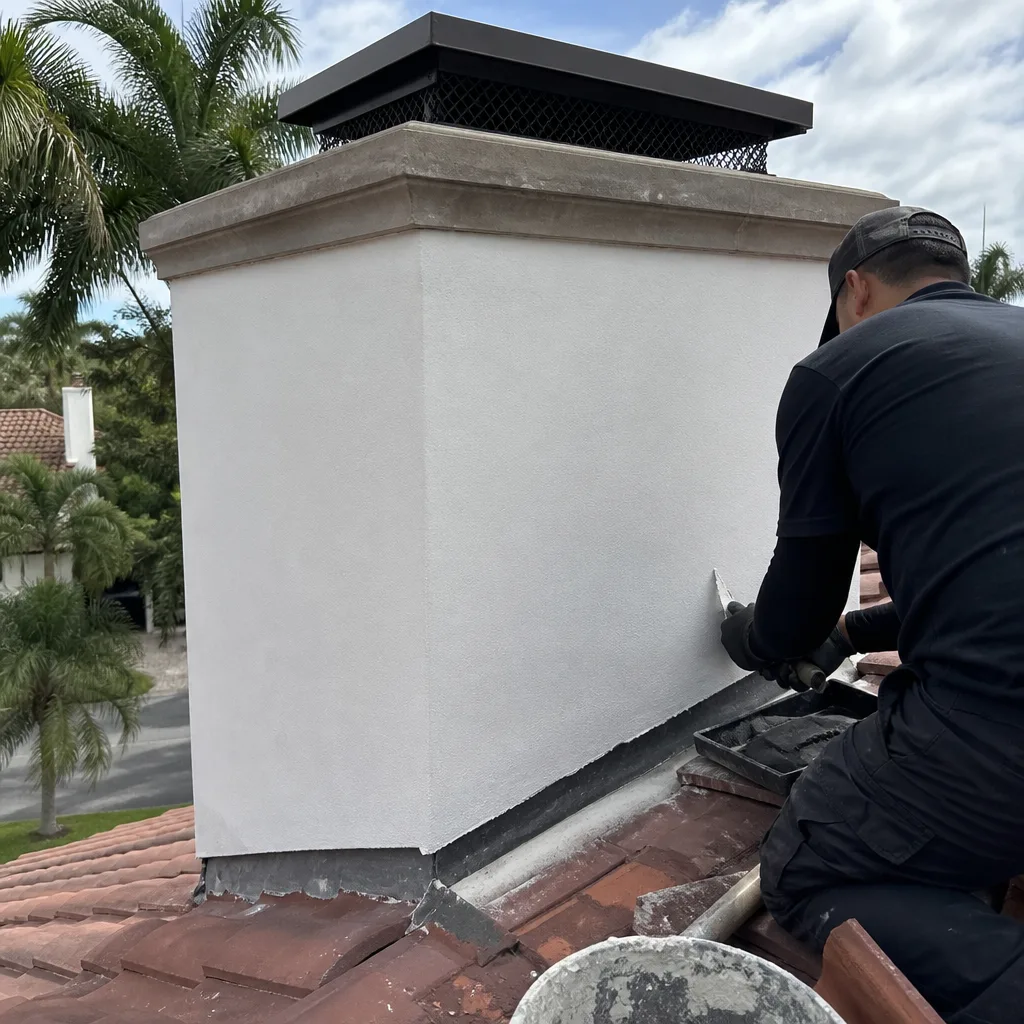 After
After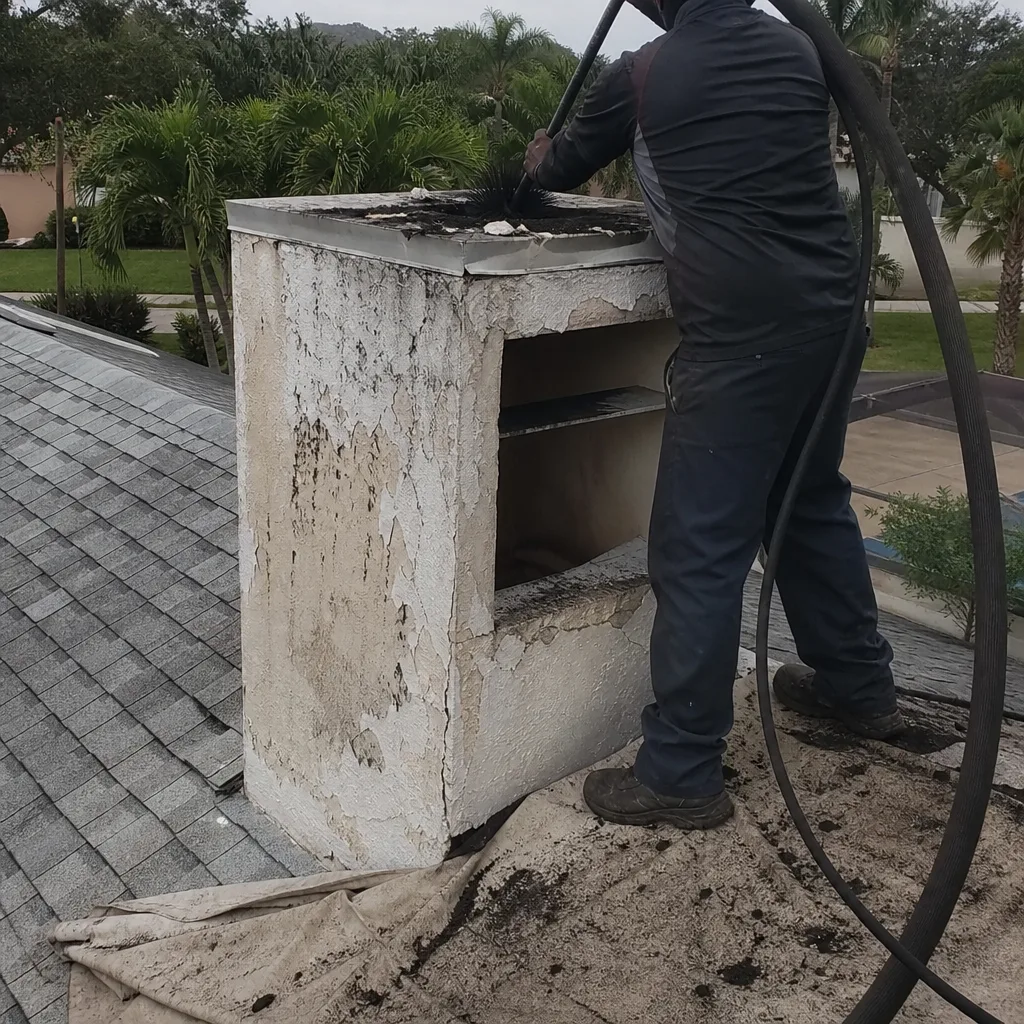 Before
 After
After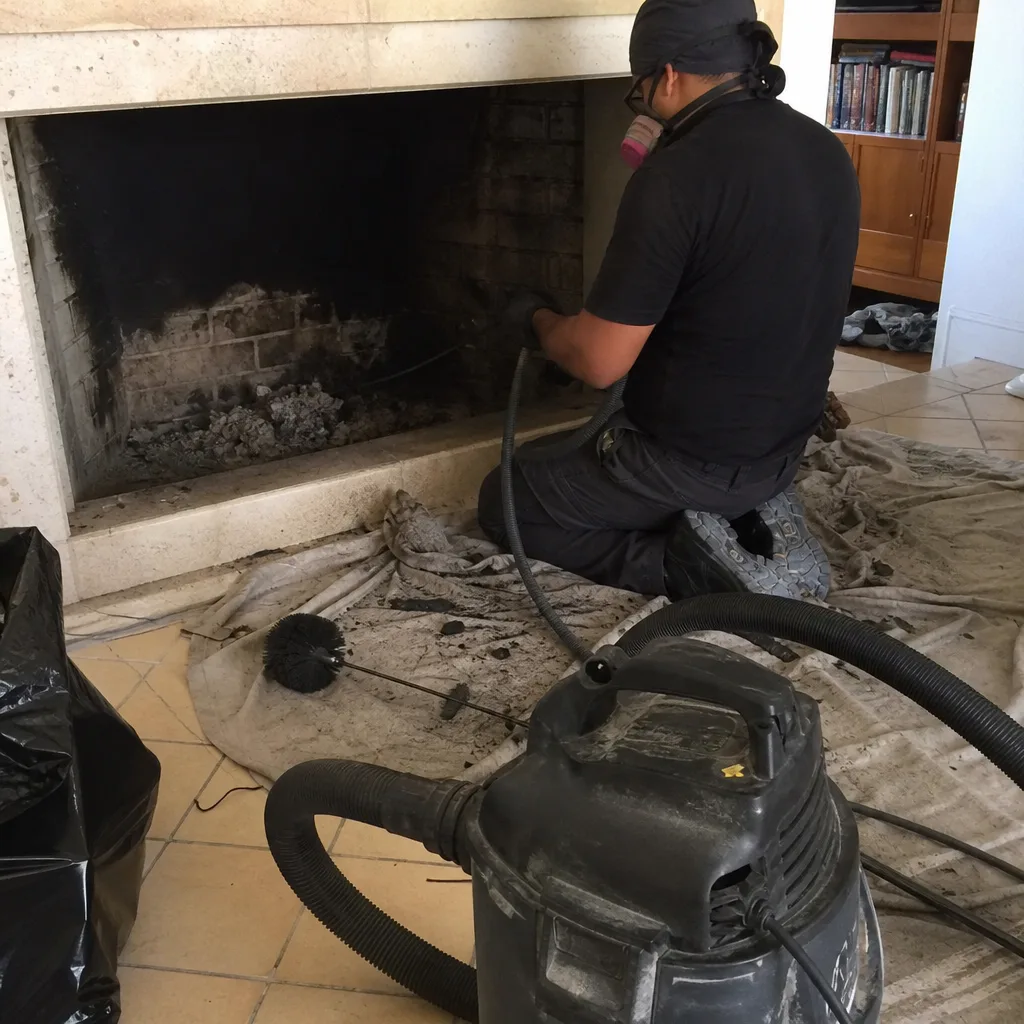 Before
 After
AfterWhen to Call a Professional
Some things a homeowner can handle: ground-level visual checks, damper operation, ash removal, keeping a maintenance log. Others are not DIY work. If you see cracks in the crown, a shifted cap, flashing gaps, efflorescence, fresh animal activity, or any interior water staining near the chimney, call a professional. If your flue hasn’t been camera-inspected in more than two years, schedule one. If you’re buying or selling a home in Miami, a Level 2 camera inspection is the standard for real estate transactions. If you light a fire and the room fills with smoke or you smell burning outside the firebox, stop using the fireplace immediately and call. Ashby Chimney Miami offers free estimates in Miami, and we’ll give you a written price before any work begins. Call (850) 787-8597.
Frequently Asked Questions
Once a year is right for most Miami homeowners, but timing matters more than frequency. Schedule the sweep in October, before burn season starts, so the flue is clean and inspected before the first fire. If you burn more than 40 to 50 fires per season, which is uncommon in Miami, schedule a second sweep mid-season. The annual sweep should always include a visual inspection, and ideally a camera inspection every other year. Call (850) 787-8597 to schedule yours in Miami.
A standard chimney sweep in Miami runs between $150 and $300 for one flue. If the chimney hasn’t been maintained in years or animal nesting is present, the price may be higher because the work takes longer. Every Ashby Chimney Miami job comes with a written price before we start, so the number on the invoice matches the number you approved at the door.
Yes, and arguably more than chimneys in cold climates. Miami’s humidity, rain, and animal population attack an idle chimney year-round. Moisture intrusion through cap or crown damage, animal nesting, and flashing leaks happen during the months the fireplace sits unused. Annual maintenance catches those problems while they’re small and cheap to fix. The alternative is discovering them in November when you want a fire.
The visible signs are efflorescence (white mineral staining) on the exterior brick, spalling (flaking brick faces), water staining on ceilings or walls near the chimney, and rust on the cap or damper. Inside the flue, water damage shows up as dark vertical staining on the flue walls. The source is usually a cracked crown, a damaged cap, or failed flashing. Camera inspection pinpoints exactly which one.
The most likely outcomes in Miami are animal intrusion, water damage to the chimney structure and nearby interior surfaces, and creosote accumulation that increases chimney fire risk. Cracked flue tiles let combustion gases escape into the home. A blocked flue from a nest sends smoke and carbon monoxide back into the living space. Skipping maintenance turns a $150 sweep into a multi-thousand-dollar repair. The annual sweep is the cheapest insurance you can buy for your chimney.
Yes. Every repair comes with a written guarantee, included with the job, not sold as an add-on. If a covered repair fails within the guarantee period, we return and correct it at no charge. That’s the 365-Day Done Right Promise, and it’s backed by our written guarantee on every repair. We also provide a written price before any work starts, so you know the cost before you approve anything.
The Bottom Line
A Miami chimney maintenance checklist is a two-season discipline: burn season preparation in October, and off-season vigilance from April through September. The biggest threats in this climate are moisture and animals, not soot. Check the cap, crown, and flashing after every storm. Look for efflorescence and animal activity during the wet months. Schedule one professional sweep and inspection every October, before the first fire. Keep a simple maintenance log. For more guides & resources, explore our blog. And if anything looks off, call a professional who will show you camera footage before recommending a repair. Ashby Chimney Miami serves Miami homeowners with written pricing, written guarantees, and the 365-Day Done Right Promise on every job.
Written by Nathan Corliss, Owner at Ashby Chimney Miami, serving Miami since 2002.