
Last updated October 15, 2026
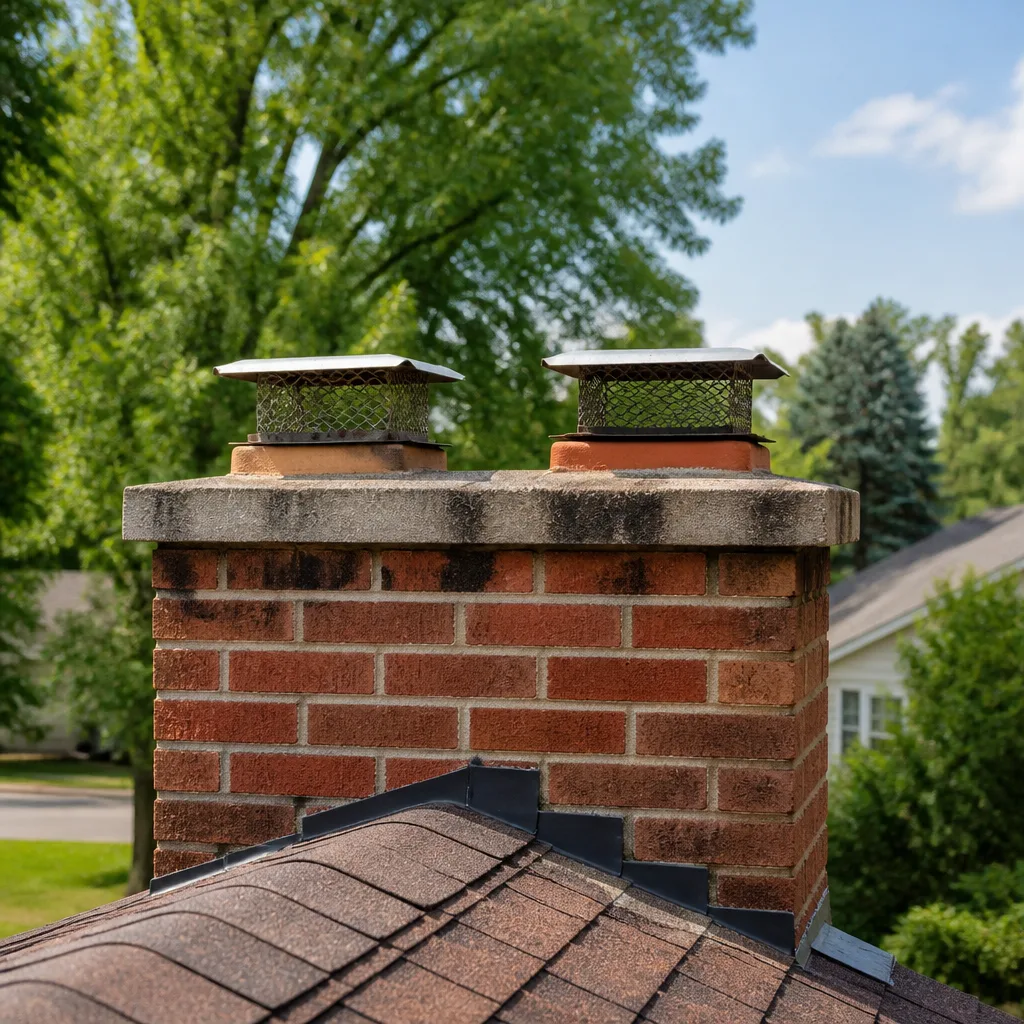 Sweep & inspection
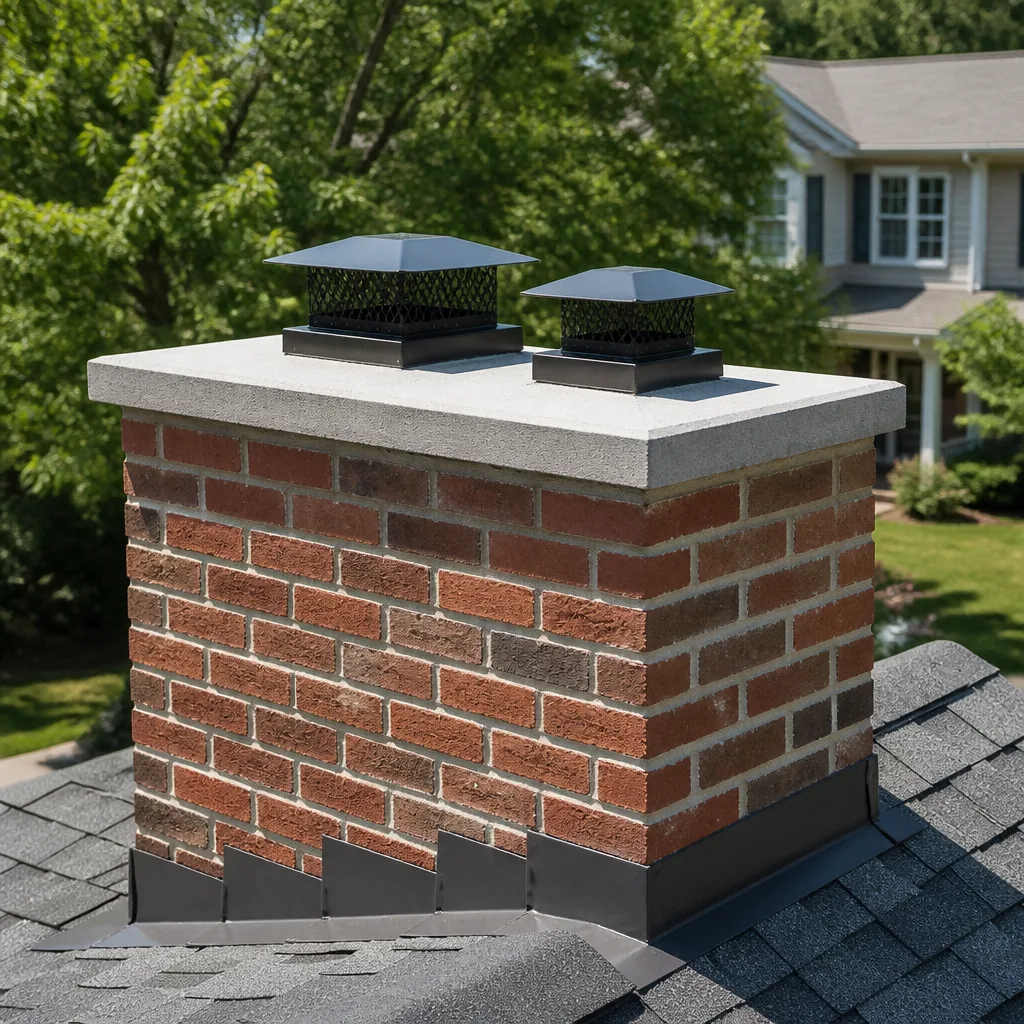 Caps & crowns
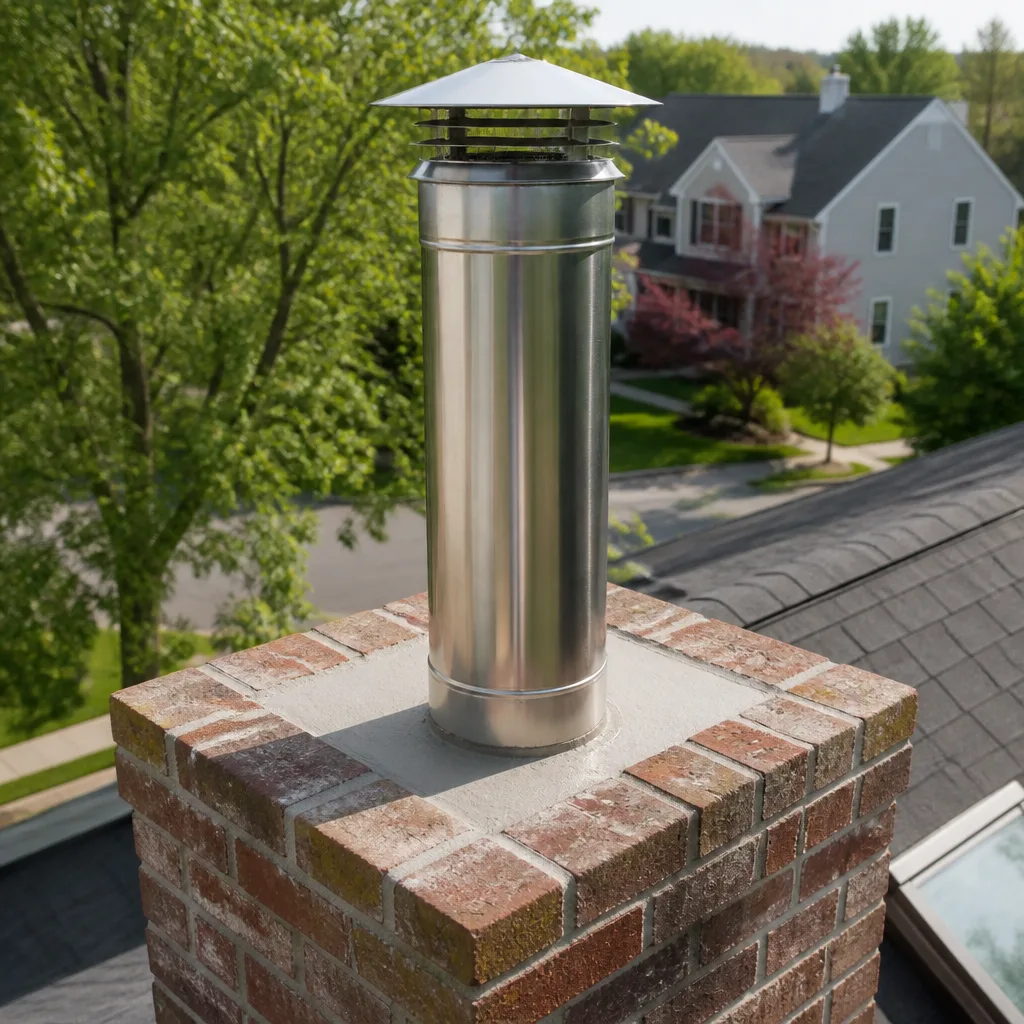 Flue relining
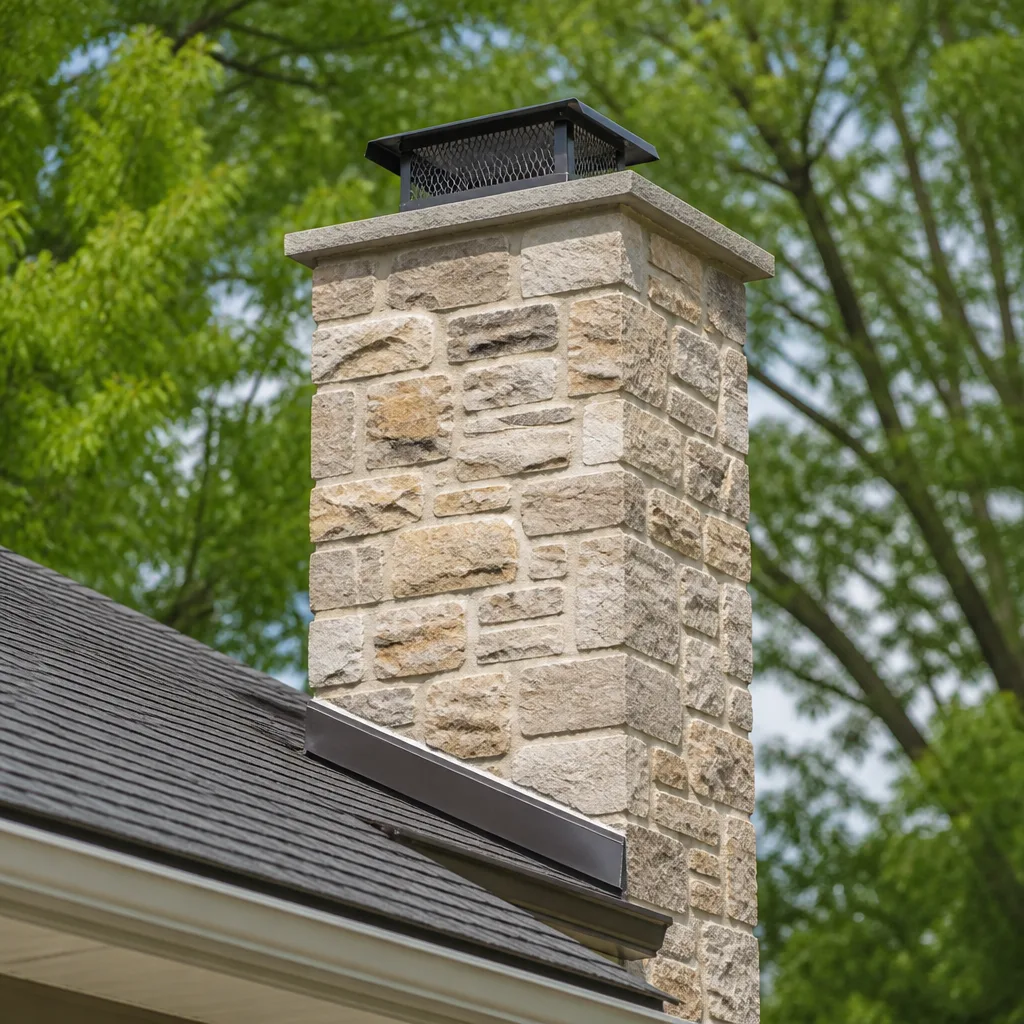 Masonry repair
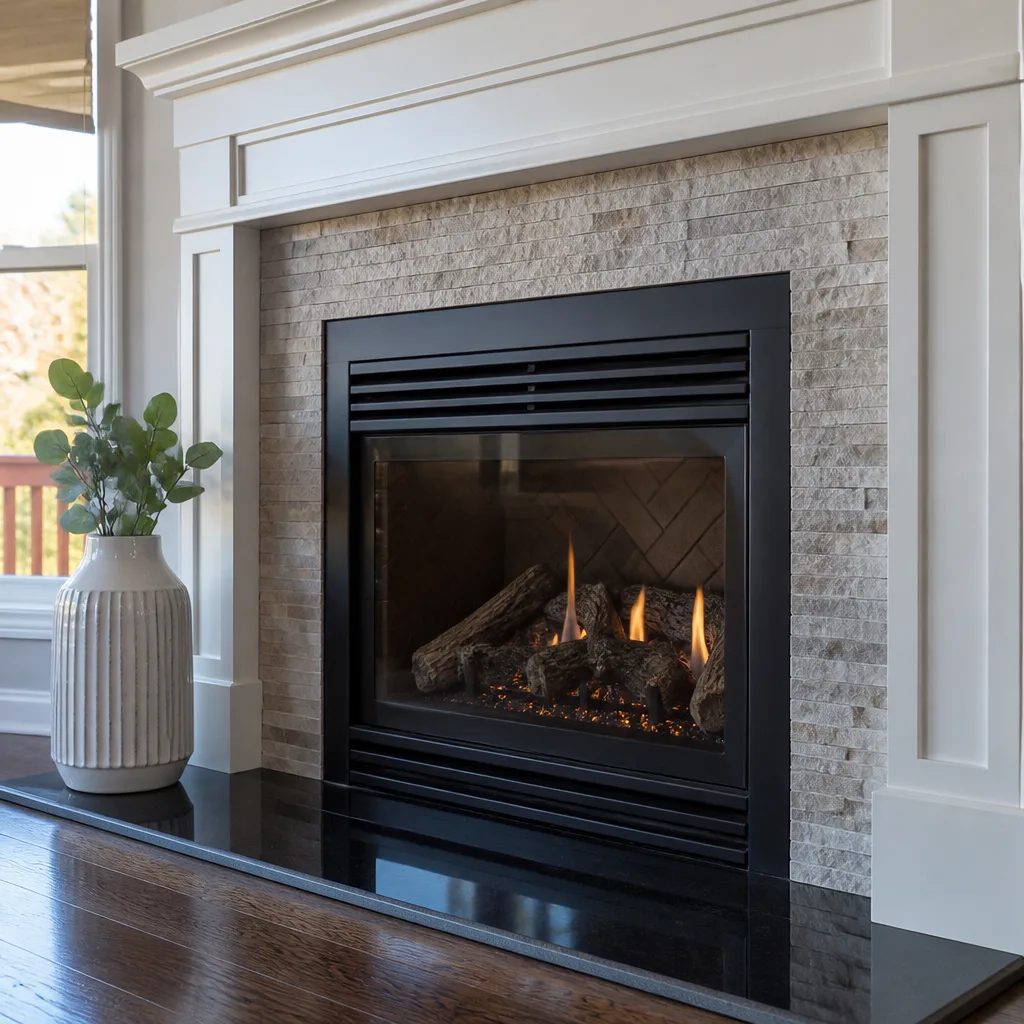 Gas fireplace service
Level 1 sweep and inspection to the NFPA 211 annual standard - flue, crown, cap, and flashing checked and photographed
Chimney sweep logs do not sweep chimneys. They loosen some creosote - which then falls where a brush and vacuum still have to collect it.
DIY vs Professional Chimney Cleaning: The Miami Homeowner’s Decision Guide
Most Miami homeowners assume a chimney fire is the worst thing that can happen if they skip a cleaning. It’s not. The real danger in South Florida isn’t the soot you can see – it’s the hairline crack in a clay flue liner hidden behind your firebox wall, slowly leaking carbon monoxide into your house while you sleep. This guide gives you an honest accounting of what a $60 brush kit can actually accomplish here in Miami, and what it can’t, so you can make the call with your eyes open instead of your fingers crossed. For how to hire a chimney cleaning contractor in Miami: a step-by-step guide, see our dedicated resource.
Quick Answer
You can remove surface soot from a Miami fireplace yourself with a basic brush kit, but you cannot safely inspect the flue liner, flashing, or chimney crown for the moisture and salt-air damage that actually causes problems in this climate. For most homeowners, the smartest approach is seasonal DIY maintenance on low-use fireplaces and a professional chimney sweep in Miami every year or two, depending on burn frequency. A professional visit includes camera inspection you’d need thousands of dollars of equipment to replicate.
Styles & brands we work with
Table of Contents
- What a DIY Chimney Cleaning Can Actually Do
- What a DIY Cleaning Cannot Do
- Why Miami’s Climate Changes the Math
- The Risk Framework: Soot vs. Structural Damage
- When DIY Maintenance Is Genuinely Fine
- What to Look For in a Professional Chimney Visit
- Cost Breakdown: DIY vs. Professional in Miami
- Common Mistakes to Avoid
- When to Call a Professional
- Frequently Asked Questions
What a DIY Chimney Cleaning Can Actually Do
Let’s be straight about this, because most chimney companies won’t be. A homeowner with a $60 brush kit and a decent shop vacuum can remove loose soot from the firebox and the first few feet of the flue. That’s real work, and for a lightly used fireplace, it might be enough to get you through a season. Here’s what that actually looks like in practice.
What a DIY cleaning accomplishes:
- Surface soot removal from the firebox. The black residue on your firebrick and damper housing comes off with a stiff brush and some elbow grease. This is cosmetic but it keeps your living room from smelling like last winter’s pine.
- Loose creosote displacement in the lower flue. A wire brush on a flexible rod can knock down the fluffy, first-stage creosote that forms in the first six to eight feet of flue. This is the easy stuff.
- Visual check of the damper assembly. You can see whether the damper opens and closes fully, whether the handle is intact, and whether there’s obvious rust or warping.
- Debris removal from the smoke shelf. With a flashlight and a mirror, you can sometimes clear twigs, leaves, and the occasional dead bird that never quite made it out. In Miami, this is more common than you’d think.
In our experience, a homeowner who burns a fire maybe eight to ten times a year – mostly around the holidays – can handle this level of maintenance themselves. It’s not glamorous work, but it’s not dangerous work either, provided the fireplace is cold and you’re not leaning into the flue itself. And for a gas log set that’s purely decorative, a DIY cleaning is often all that’s ever needed.
The key word there is fluffy. First-stage creosote is soft, brownish, and brushes away easily. The problem is that Miami homeowners rarely stop at first-stage creosote, because the fires we build here tend to be short and smoky – exactly the conditions that create the hard, glazed third-stage creosote that no brush kit on Amazon will remove.
What a DIY Cleaning Cannot Do
Now we get to the part that matters. A brush kit dislodges what the brush can reach. What it can’t reach is what puts your house at risk.
What a DIY cleaning misses:
- The upper two-thirds of the flue. Most homeowner brush kits come with six to twelve feet of rod. A typical Miami chimney runs fifteen to twenty-five feet. The creosote that accumulates near the top, where the smoke cools and condenses, is exactly what you’re not reaching.
- The flue liner itself. This is the clay or steel tube (the technical term is flue liner) that vents combustion gases out of your home. When it cracks – and in Miami it will, eventually – the gap lets heat, gas, and embers reach your home’s framing. You cannot see a liner crack from inside the firebox, even with a mirror and a headlamp.
- The flashing. The metal seal where your chimney meets the roofline fails slowly in South Florida’s rain and heat. Failed flashing lets water run down the outside of the flue, and that water does more damage than any fire ever will.
- The chimney crown. The concrete cap at the top of your chimney cracks under UV exposure and thermal expansion. A cracked crown lets water into the brick itself, which then spalls (the face of the brick pops off) during Miami’s cooler months.
- Third-stage creosote. This is the shiny, tar-like glaze that burns hot and long. It requires mechanical removal with rotary tools, and it’s the number-one cause of chimney fires.
We’ve walked into homes in Pinecrest where the homeowner had been diligently brushing their own flue for three years. Their firebox was spotless. Their upper flue had a quarter-inch of glazed creosote that had to be ground off with a rotary whip. They weren’t negligent; they just couldn’t see the problem from where they were standing.
That’s the honest assessment: DIY cleaning addresses what you can see, and the things that actually threaten your home are almost always the things you can’t.
Why Miami’s Climate Changes the Math
Most chimney-sweep advice online is written for cold climates: Minnesota, upstate New York, New England. The advice doesn’t translate cleanly to Miami, because our problem isn’t heavy use. It’s humidity, salt, and wildlife. For seasonal chimney cleaning care for Miami: year-round homeowner’s guide, check out our seasonal breakdown.
Here’s what Miami specifically does to a chimney:
- Humidity accelerates creosote hardening. Creosote absorbs moisture from the air. In Miami, where the average relative humidity hovers around 73%, creosote hardens into that stubborn third-stage glaze much faster than it does in dry climates. A flue that would take five winters to glaze over in Denver can do it in two here.
- Salt air corrodes metal components. If you’re within a few miles of the coast – say, most of Coral Gables, Coconut Grove, and the Beach communities – the salt in the air attacks your damper assembly, your rain cap, and any steel liner components. The damper on a Miami house that’s seen a decade of salt breeze is often rusted open or rusted shut.
- Birds and iguanas. Chimneys without a proper rain cap (which is a $40 piece of hardware, by the way) are open invitations to Miami’s wildlife. Birds nest in the smoke shelf. Iguanas are drawn to the warmth of the flue and can wedge themselves inside a chimney chase. We’ve pulled dead iguanas out of flues in Kendall, and it’s not because the homeowners were dirty; it’s because the rain cap had rusted through and nobody had looked at it in five years.
- Heavy rain finds every gap. Miami gets roughly 60 inches of rain a year, and much of it comes in violent afternoon downpours. A flashing leak that would be a minor nuisance in a drier market becomes a steady drip against your framing. Water intrusion is the most common cause of expensive chimney repairs we see in this market.
The point isn’t that Miami is uniquely dangerous – it’s that Miami’s risk profile is different. In Minnesota, the chimney company warns about heavy creosote buildup from daily wood fires. In Miami, we’re more likely to be chasing water damage, salt corrosion, and the structural consequences of twenty years of modest use combined with aggressive weather.
That’s why the annual chimney inspection in Miami matters more here than it might in a drier market. The inspection catches the salt-corroded cap, the cracked crown, and the water streaks on the inside of the flue before they become a $3,000 repair. And those are things a brush kit will never show you.
The Risk Framework: Soot vs. Structural Damage
Let’s talk about consequences, because not all chimney problems are created equal.
If you miss a creosote buildup, the worst case is a chimney fire. That’s bad, and you should take it seriously. But it’s also usually self-limiting: the flue is designed to contain heat, and a chimney fire that stays inside the liner often burns itself out once the creosote is consumed. Not always, but often.
If you miss a cracked liner or failed flashing, the consequences are slower and quieter and worse. Here’s the framework in plain terms:
The Risk of Missed Creosote
Burned as a quick, hot fire inside the flue. Can reach 2,000°F. Can crack the liner, which then creates the second, more serious problem. Typically detectable: you might hear a roar, see flames from the chimney top, or notice the smell of hot creosote.
The Risk of a Missed Liner Crack
Carbon monoxide seeps into wall cavities, not your living room. You don’t smell it. You don’t see it. CO detectors many Miami homes are missing or have dead batteries. The first symptom is often a persistent headache, or nothing at all. This is the one that keeps us up at night, and it’s the one a fireplace brick-and-mortar inspection is designed to catch.
The Risk of Failed Flashing
Water follows gravity into your roof decking and framing. The damage accumulates over years: rotted sheathing, mold in the attic, stained ceilings. By the time you see a water mark on the drywall, the leak has been active for months. Flashing is a $400 – $800 repair; replacing rotted roof decking can run five times that.
We’re not sharing this to frighten anyone into a service call. We’re sharing it because homeowners deserve to understand what they’re weighing. A dirty flue will let you know it’s dirty. A cracked liner or leaking flashing will not.
The good news is that the professional inspection that catches these problems is priced in the low triple digits in Miami, and it includes a camera run. Compare that to the cost of the repair you might avoid, and the math is fairly straightforward.
When DIY Maintenance Is Genuinely Fine
Alright, so we’ve established when the professional visit is worth it. Now let’s be fair to the other side, because the last thing we want to do is convince you to pay for something you don’t need.
Here’s when we tell Miami homeowners they’re fine handling things themselves:
- You have a ventless gas log set. Ventless logs burn clean and don’t produce meaningful creosote. Your fireplace is essentially a room heater. A seasonal wipe-down of the logs and a visual check of the burner is all the maintenance required.
- You burn fewer than six fires a year. At that rate, creosote accumulates so slowly that a professional sweep every two to three years is genuinely sufficient. Between visits, clean out the firebox after each use and check the damper for smooth operation.
- You’re cleaning the firebox, not the flue. The firebox is the room where the fire happens. Cleaning soot and ash from it with a shop vac, a stiff brush, and a drop cloth is completely safe and sensible. Just make sure the fireplace has been cold for at least 24 hours.
- You’re doing exterior visual checks from the ground. Look up at your chimney cap. Can you see it? Is it straight? Does the brick look the same color as it did last year, or are there white chalky streaks (efflorescence) appearing? These are signals worth monitoring, and they don’t require a ladder.
- You store your firewood correctly. This is the cheapest chimney maintenance there is. Burn seasoned hardwoods only (not pine, not construction scraps), and store the wood off the ground, covered on top but open on the sides. In Miami’s humidity, this matters enormously – wet wood creates smoky, cool fires that deposit creosote faster.
Here’s the thing: all five of these profiles share something. They don’t involve burning a lot of wood in a masonry chimney. If you’re in that low-use camp, we’ll be the first to tell you that annual professional cleanings are overkill. The annual visit is for people who use their fireplace regularly, or whose home is on the water where salt and moisture are constant.
What to Look For in a Professional Chimney Visit
If you do call a professional, how do you know you’re getting real inspection value and not just a brush pass with a flashlight? This is a fair question, and in Miami it’s worth asking, because the market here has plenty of both kinds of companies.
Here’s what a real professional visit includes, and what you should ask about:
- A camera inspection, not just a visual check. A technician who runs a camera up the flue and shows you the footage on a tablet is doing real work. A technician who shines a flashlight from below and says “looks okay” is doing half a job. Ask to see the images.
- A written condition report. You should leave the visit with documentation: what the technician found, what the camera showed, and what they recommend, in writing. If they won’t write it down, it didn’t happen.
- A price before work starts. This is the baseline. A company that quotes one number on the phone and a higher number at the door is not a company you should hire. At Ashby Chimney Miami, every job gets a written price before any work starts, and that price is what you pay. No exceptions.
- A technician in uniform you can verify. Background-checked, uniformed technicians should be standard. You’re letting a stranger into your home; you have the right to know who they are.
- Genuine chimney-trade materials, not mystery parts. If a repair is needed, the components should be from recognized suppliers – brands like Famco, DuraFlex, and Copperfield, not whatever happened to be in the van. This matters for how long the repair holds up.
- A written guarantee. Ask what happens if the repair fails. If the answer is vague, that’s your answer. A real guarantee is written, has a time period, and includes a free return visit to fix the issue.
The fireplace repair in Miami work we do always includes these elements, because the Kingswell Guarantee requires them. If it’s not done right, we make it right – that’s a 365-day promise, and it’s on paper, not just on a website.
Cost Breakdown: DIY vs. Professional in Miami
Let’s put numbers on this, because a decision guide without prices is just throat-clearing.
Most professional chimney sweeps in Miami run between $180 and $340, depending on the size of the flue, the amount of buildup, and whether you’re adding an inspection. That sweeps includes the cleaning, a camera run, and a written condition report. A sweep with a level two inspection (the kind you need if you’ve had a chimney fire, a new roof, or a change in fuel type) runs $350 to $600 in this market.
A DIY brush kit costs between $40 and $80. A shop vac you probably already own. So the direct cost comparison favors DIY, and we won’t pretend otherwise. But the comparison isn’t really about the cleaning; it’s about the inspection that comes with it.
| Approach | Cost in Miami | What You Get | What You Don’t Get |
|---|---|---|---|
| DIY brush kit | $40 – $80 | Surface soot removal, lower-flue brushing | Upper flue access, liner inspection, flashing check, camera documentation |
| Professional sweep | $180 – $340 | Full flue cleaning, camera inspection, written report, professional-grade tools | Nothing significant, if the company is reputable |
| Sweep + Level 2 inspection | $350 – $600 | Everything above plus detailed structural assessment of liner, flashing, crown | Only necessary in specific circumstances |
Here’s the honest framing: a DIY brush kit is not a replacement for a professional visit. It’s a supplement between visits. The homeowners who get in trouble are the ones who decide that since they brushed the flue, they never need to have it inspected. Five years later, the liner has a crack, the flashing is leaking, and the crown looks like a jigsaw puzzle.
Common Mistakes to Avoid
In our years serving Miami, we’ve seen the same mistakes repeated across neighborhoods. Here’s what to watch for:
- Assuming no fire means no problem. A fireplace that hasn’t been used in three years still has a flue, still has flashing, and still has a crown. In Miami’s climate, an unused chimney is often in worse shape than a used one, because the lack of heat means more moisture accumulation.
- Burning pine or construction scrap because it’s cheap. Pine is a softwood with high resin content. It burns cool and smoky, depositing creosote faster than seasoned oak. Construction scrap is worse – treated lumber releases chemicals you don’t want in your flue or your lungs.
- Closing the damper while embers are still warm. That smoldering stage produces more creosote than the active fire. Wait until the fire is completely out before closing the damper, even if it means losing a little warm air.
- Ignoring the rain cap. A missing or damaged rain cap in Miami is an open door for birds, iguanas, and torrential rain. It’s a thirty-dollar part. Replace it.
- Painting the interior firebox with regular latex paint. Fireboxes need masonry paint or no paint at all. Regular paint will off-gas fumes when heated and peel within a season.
- Hiring the cheapest sweep and skipping the camera. The camera is the whole point of the professional visit. If you’re paying $99 for a “sweep” with no camera and no written report, you’ve paid $99 for a brush pass you could have done yourself.
- Trusting a home inspector’s chimney check from the purchase. A home inspector looks at the chimney for ten minutes as part of a three-hour job. A specialist spends 45 minutes on the flue alone. They’re not doing the same work.
When to Call a Professional
Schedule a professional chimney sweep and inspection in Miami if: your fireplace gets regular use during the winter months; you’ve lived in the home more than three years without an inspection; you notice water stains near the fireplace or on the ceiling above it; you hear animals in the flue; you smell smoke after the fire is out; or you’re buying or selling a home and need an honest condition report. These are the situations where the camera inspection and written documentation pay for themselves. Ashby Chimney Miami home offers free estimates for all chimney services in the Miami area – call (850) 787-8597 and we’ll give you a straight answer, a written price, and a window we’ll actually show up in.
Frequently Asked Questions
A professional chimney sweep in Miami typically runs between $180 and $340 for a standard cleaning with camera inspection, and $350 to $600 for a sweep with a level two inspection. DIY brush kits cost $40 to $80 but cannot replace the inspection component. Call (850) 787-8597 for an exact quote on your chimney – estimates are free.
You can remove surface soot and loose creosote from the lower flue yourself with a brush kit, and for low-use fireplaces that’s often enough between professional visits. What you cannot safely do yourself is inspect the upper flue, liner condition, flashing, and crown for the moisture and salt-air damage that causes real problems in Miami. We recommend DIY maintenance only as a supplement to professional inspection, not a replacement.
If you burn wood regularly (weekly during the cooler months), have it swept at least once a year. If you burn fewer than six fires a year, every two to three years is sufficient. Gas log sets need little to no sweeping. Miami’s high humidity hardens creosote faster than dry climates, so err toward the more frequent schedule if you’re a regular wood burner.
The creosote in your flue hardens into a glazed, tar-like substance that a standard brush can’t remove and that burns hot enough to crack your liner. In Miami specifically, the bigger risk is that without annual inspection, water intrusion from cracked flashing or a broken crown goes unnoticed until it causes structural damage. The cleaning itself is minor; the inspection is what prevents thousands of dollars in repairs.
Yes, if you haven’t had one in several years. An unused chimney in Miami’s humidity and salt air can develop liner cracks, flashing leaks, and crown damage without ever seeing a fire. The inspection is the only way to know the flue is structurally sound, regardless of how often you burn.
A proper inspection includes a camera run through the entire flue, which lets the technician see cracks, gaps, water streaks, and creosote buildup that aren’t visible from below. You should also receive a written condition report and, if repairs are needed, a written quote before any work starts. If a company won’t give you that, call Ashby Chimney Miami at (850) 787-8597 – we put it all in writing.
The Bottom Line
The DIY versus professional chimney question in Miami isn’t really about cleaning skill. It’s about access and visibility. You can brush the soot out of a firebox with $60 of equipment, and for low-use fireplaces that’s a reasonable way to maintain the space between professional visits. What you can’t do is see the cracks, gaps, and water damage that Miami’s humidity, salt air, and tropical weather create in places a flashlight can’t reach. The professional visit you schedule every year or two is not a luxury – it’s the difference between managing a chimney and hoping it’s fine. For more guides & resources, explore our blog. If it’s been a while, call (850) 787-8597 and we’ll show you exactly what’s going on up there.
Written by Nathan Corliss, Owner at Ashby Chimney Miami, serving Miami since 2002.
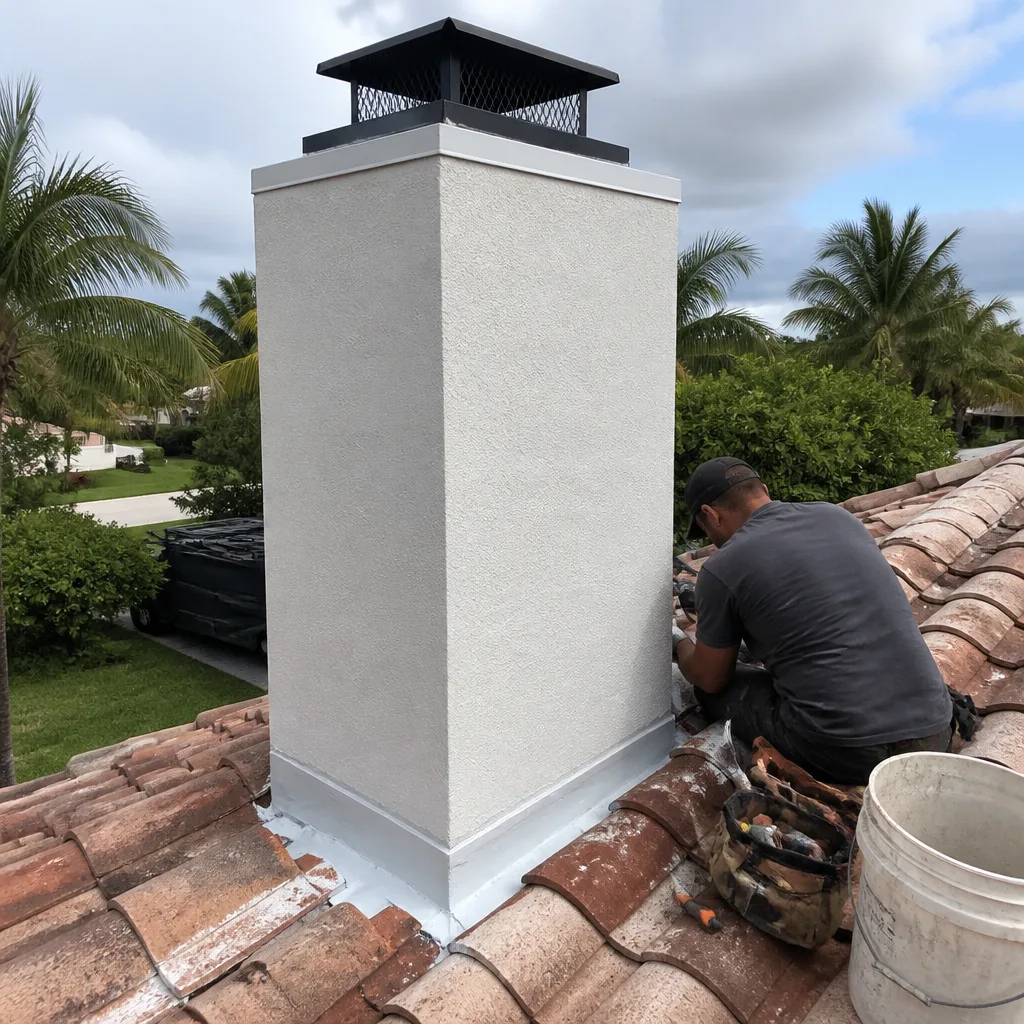
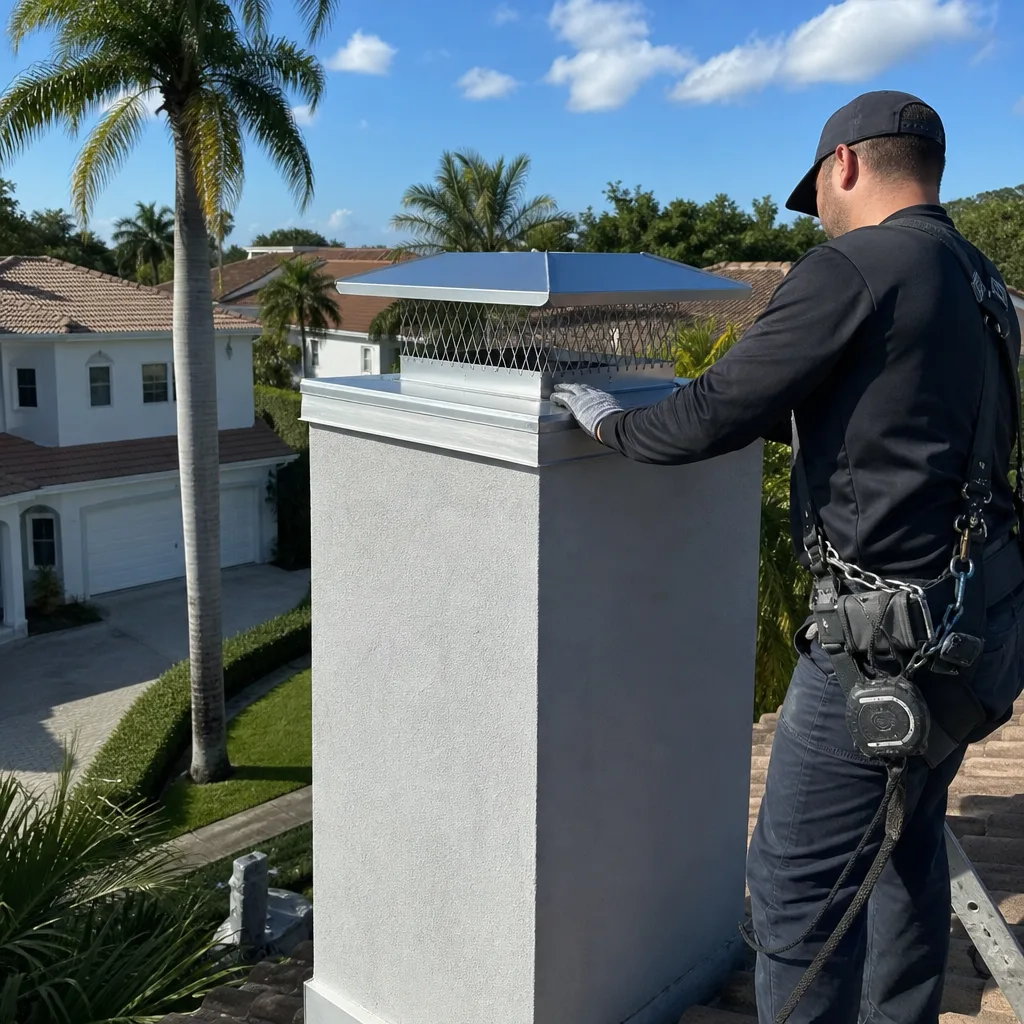
See the difference
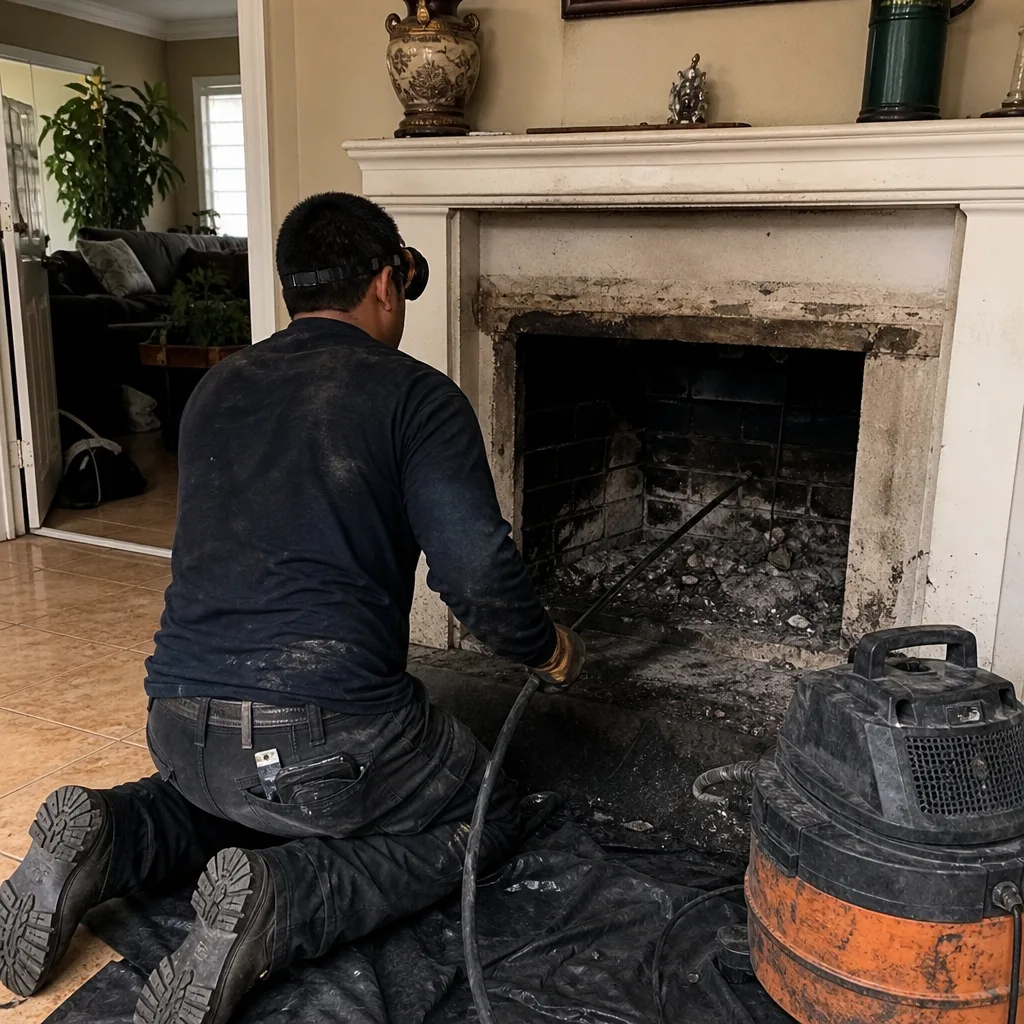 Before
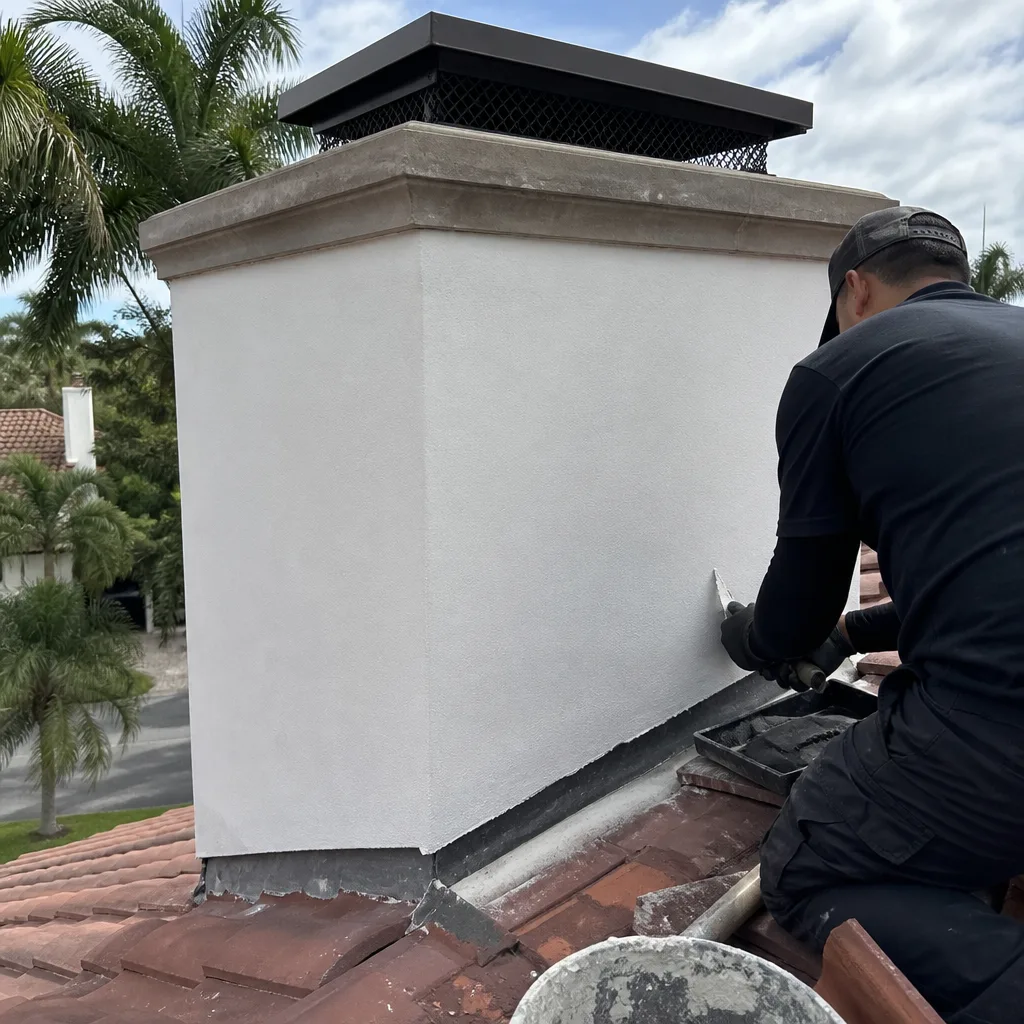 After
After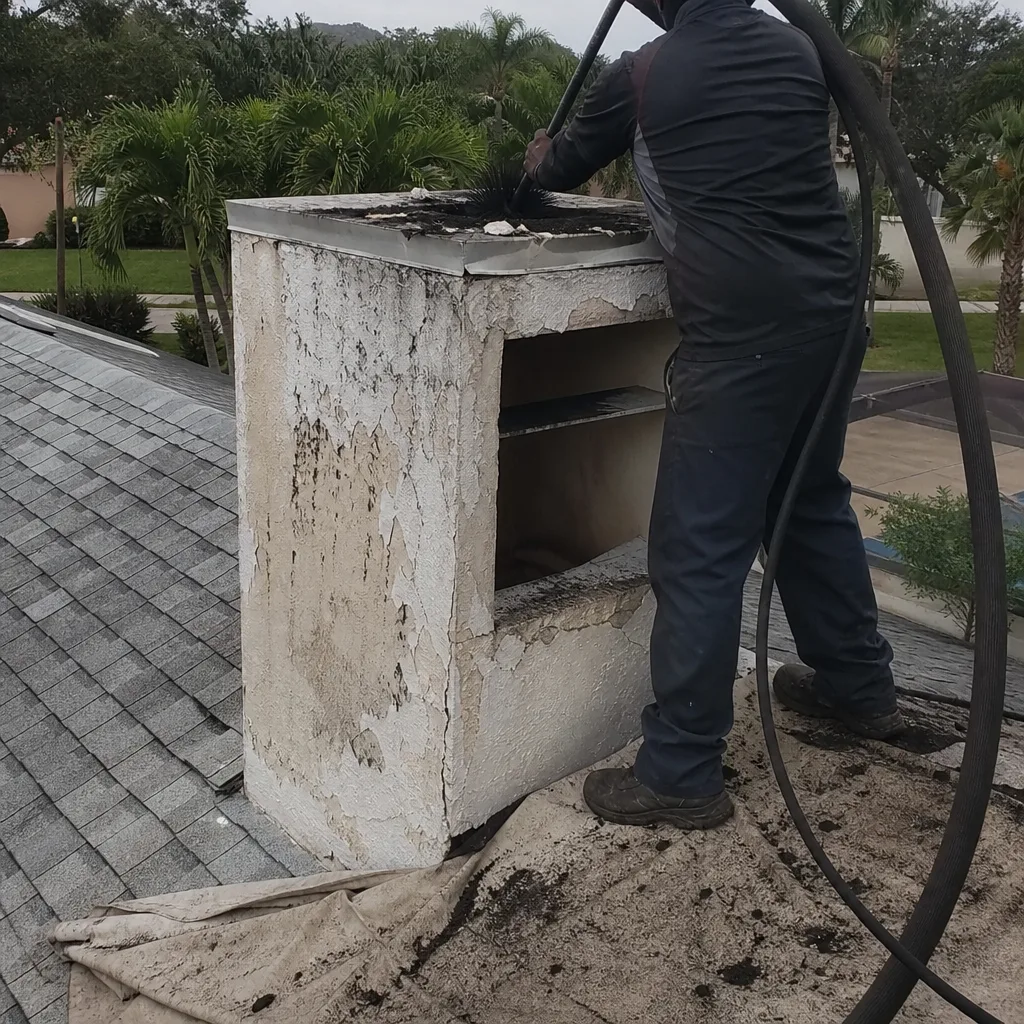 Before
 After
After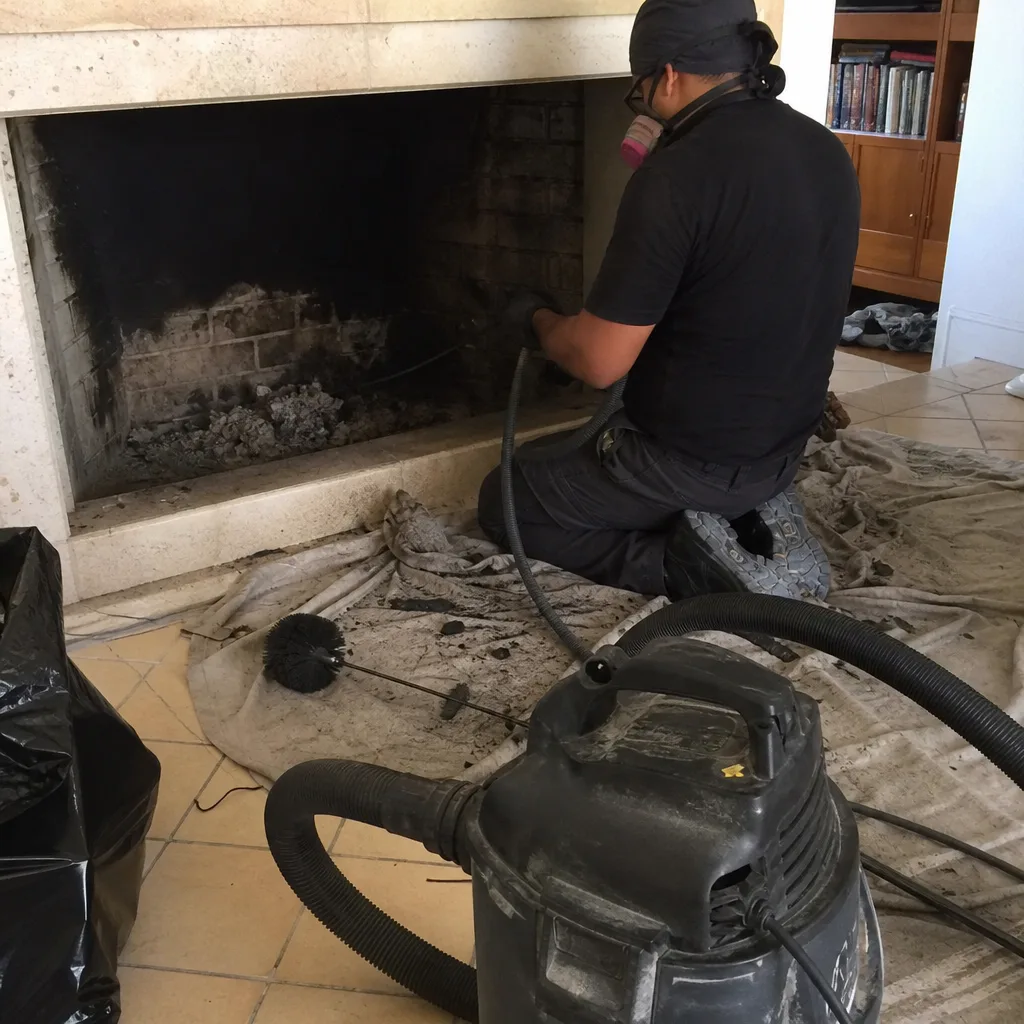 Before
 After
After