
Last updated October 15, 2026
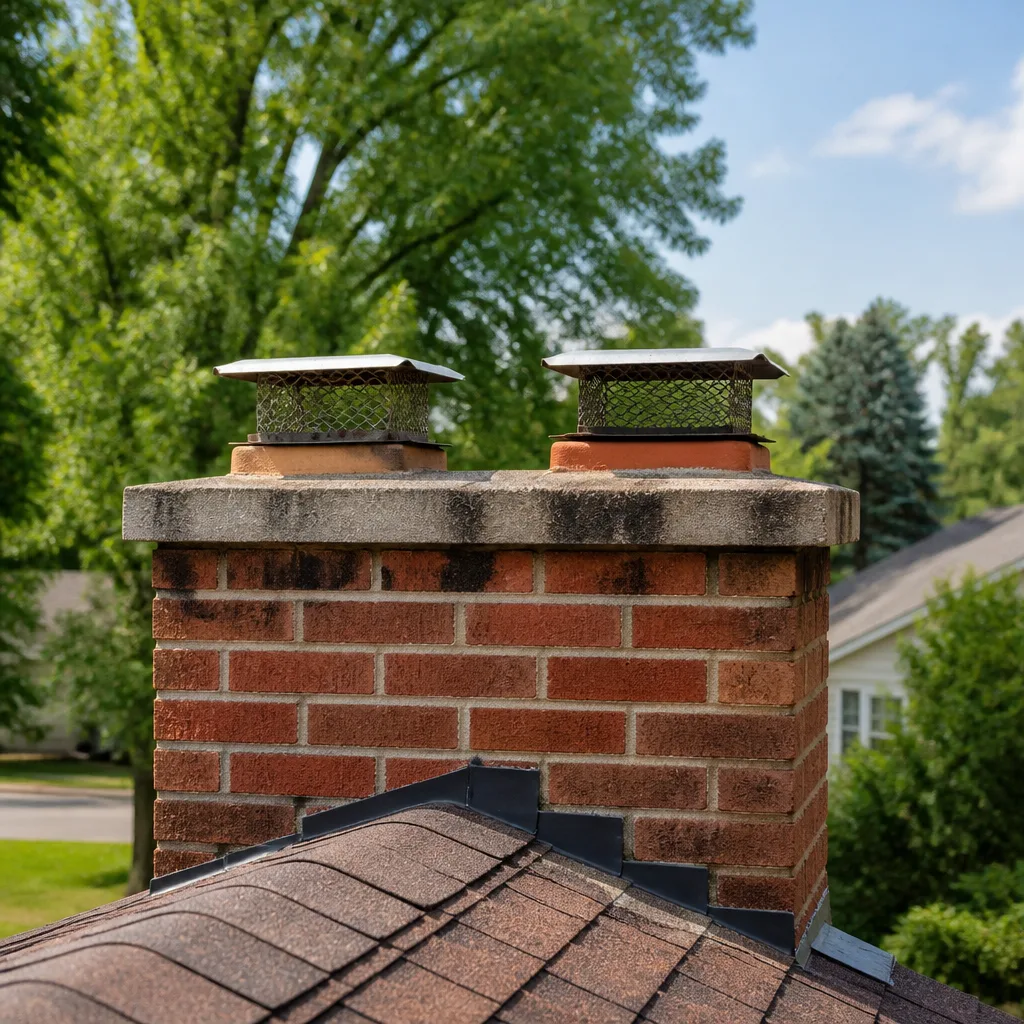 Sweep & inspection
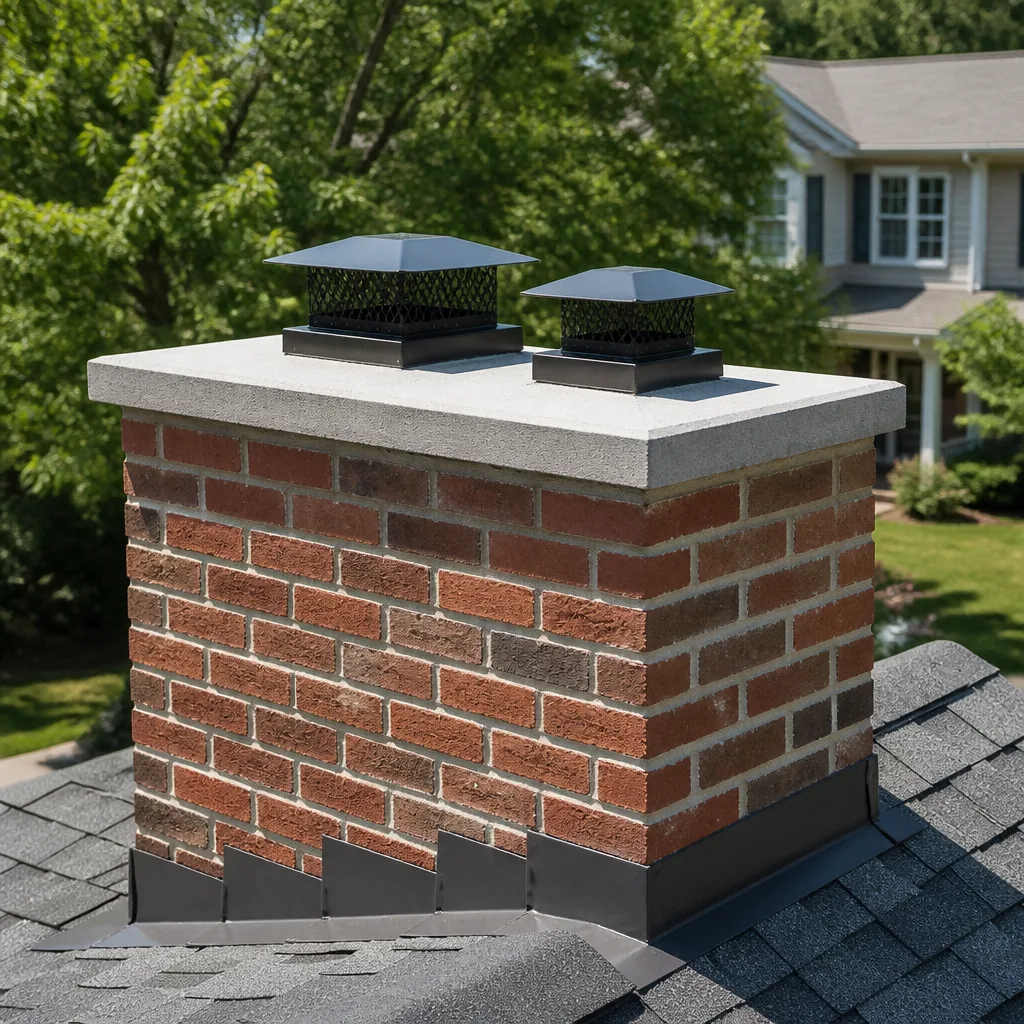 Caps & crowns
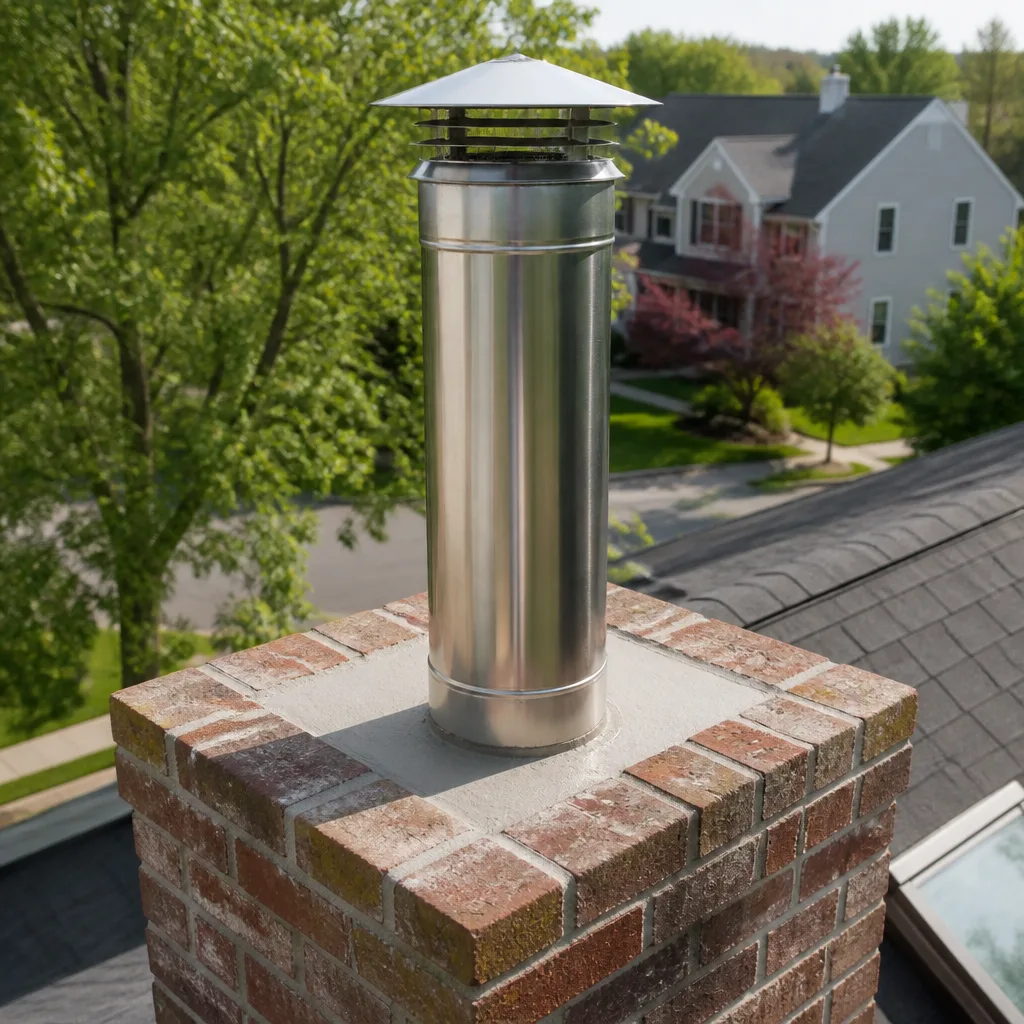 Flue relining
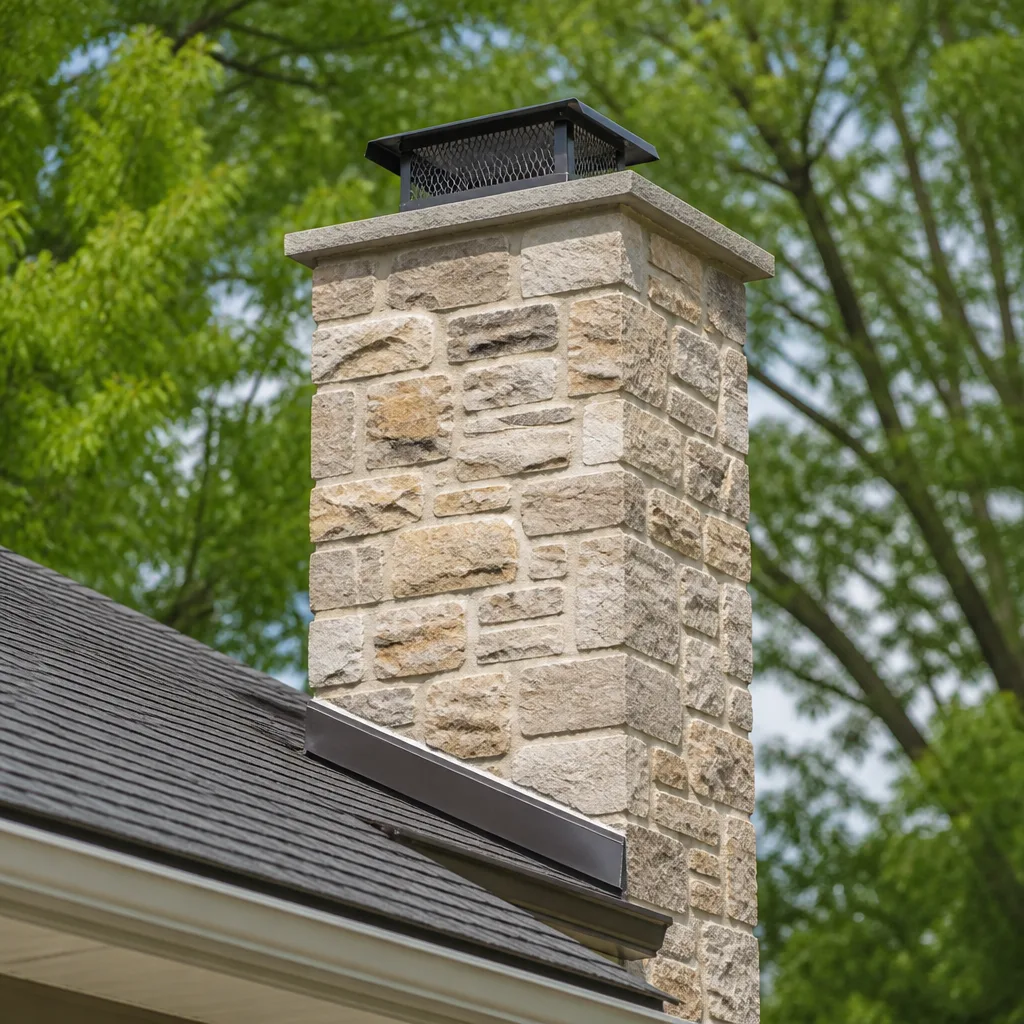 Masonry repair
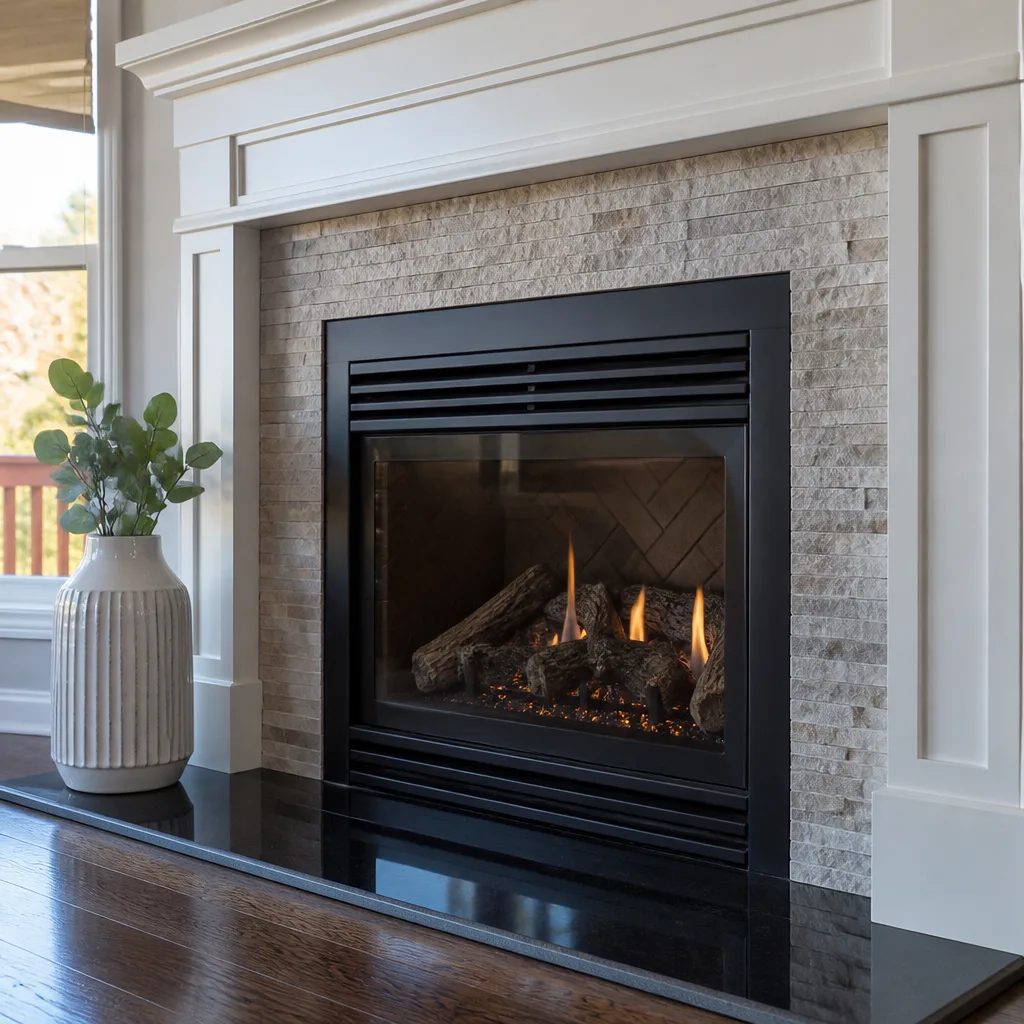 Gas fireplace service
Level 1 sweep and inspection to the NFPA 211 annual standard - flue, crown, cap, and flashing checked and photographed
Chimney sweep logs do not sweep chimneys. They loosen some creosote - which then falls where a brush and vacuum still have to collect it.
Chimney Cleaning Cost Breakdown: The Miami Homeowner’s Reference for 2026
The $149 chimney sweep special gets you a sweep. But the national average homeowner spends $340 more on that same visit because they didn’t know what “additional findings” typically cost before the technician walked in. Miami’s humid, salty air accelerates the wear on caps, liners, and masonry in ways a homeowner in Ohio never faces, which means the gap between the advertised price and the final invoice is often wider here than anywhere else in the country. This guide and our more guides & resources lay out the full realistic cost range for every chimney service category in Miami, so you can budget before anyone ever steps through your door. You’ll learn what a sweep should cost, what inspections actually cover, how to spot an inflated upsell, and what a written price commitment means in practice.
Quick Answer
A professional chimney sweep in Miami typically costs between $175 and $350, while a Level 1 inspection runs $125 to $250. Add a Level 2 inspection and you’re looking at $300 to $600 combined. Most Miami homeowners end up paying $300 to $700 on a service visit once routine findings like a damaged cap or deteriorated liner patch are factored in. The single best way to keep that number predictable is to get a written price before any work starts.
Styles & brands we work with
Table of Contents
- What a Standard Chimney Sweep Costs in Miami
- Level 1 vs. Level 2 Chimney Inspection Costs
- The Five Repairs Most Often Added to a Sweep Visit
- Why Miami Construction and Climate Change Your Quote
- How to Read a Chimney Estimate Line by Line
- Legitimate Recommendations vs. Inflated Upsells
- What a Written Price Commitment Actually Protects
- Common Mistakes to Avoid
- When to Call a Professional
- Frequently Asked Questions
What a Standard Chimney Sweep Costs in Miami
In the Miami market, a standard chimney sweep on a wood-burning fireplace runs between $175 and $350. Homes in Miami with gas fireplaces or factory-built chimneys typically land on the lower end, while older masonry chimneys in neighborhoods like Coral Gables or Coconut Grove, where the homes may date to the 1920s and 1930s, often run a bit higher because there’s more creosote and the flue tile needs more careful work.
That price should include a lot more than just running a brush up the flue. A legitimate sweep in this market covers:
- Removing creosote and soot from the firebox, smoke chamber, damper, and flue liner
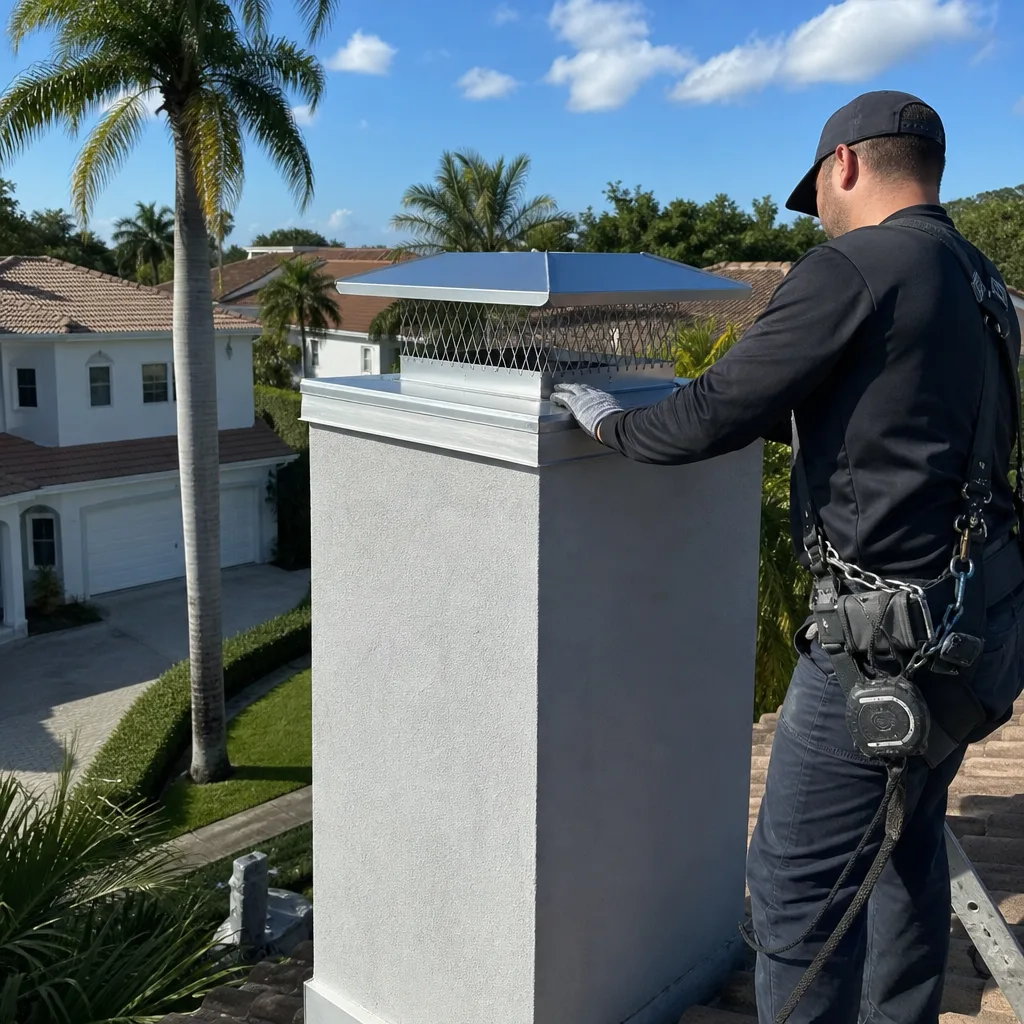
- Cleaning the chimney cap and checking that the spark arrestor mesh isn’t clogged
- Sweeping or vacuuming the firebox so no debris is left behind
- A basic visual check of accessible components, including the damper function and visible liner condition
- Protecting flooring and furniture with drop cloths while work is underway
Calling it a “sweep” undersells what’s actually being done. The brush work takes maybe 45 minutes, but the setup, inspection of components, and cleanup is what takes a full visit to 90 minutes or two hours. That labor, plus the equipment, plus the fact that a good sweep company in Miami is licensed and insured, is what justifies the $175 to $350 range. If you’re seeing advertised sweep prices under $100 in Miami, ask what’s included. More on that in the mistakes section.
Level 1 vs. Level 2 Chimney Inspection Costs
A Level 1 chimney inspection in Miami costs $125 to $250 and is the correct level when nothing about your chimney or appliance has changed since the last inspection. The technician looks at all readily accessible portions of the chimney and confirms the basic soundness of the flue, damper, and firebox. A Level 2 inspection in Miami runs $250 to $500 and is required when you’re buying or selling a home, when you’ve had a chimney fire or a major weather event, or when you’re changing the type of fuel or appliance. A Level 2 adds a scan of the internal flue with specialized camera equipment.
Here’s the breakdown of what each level includes and when each one applies:
| Inspection Level | Miami Price Range | Includes | When It’s Required |
|---|---|---|---|
| Level 1 | $125 – $250 | Visual check of accessible flue, damper, firebox, cap, and basic clearance verification | Routine annual check with no changes to appliance or usage |
| Level 2 | $250 – $500 | Everything in Level 1 plus internal video scan of the flue; check of attics, crawlspaces, and adjoining spaces around the chimney | Real estate transaction, chimney fire, new appliance, severe weather event, or use after years of no use |
If a Miami technician pushes a Level 2 inspection on a routine sweep with no changed conditions, that’s not automatically a red flag. Miami’s intense humidity can cause hidden damage to clay tile liners, and a camera scan is the only way to verify the integrity of a flue without opening a wall-one reason we covered Chimney Cleaning Warning Signs: A Miami Homeowner’s Reference Guide separately. But the inspection should always be offered. It should never be a condition of getting your sweep.
The Five Repairs Most Often Added to a Sweep Visit
This is where the surprise comes from. A sweep is one line item. The findings that follow are separate. Here are the five most common add-ons a Miami homeowner will hear about during a sweep visit, what they cost in this market, and whether they’re legitimate.
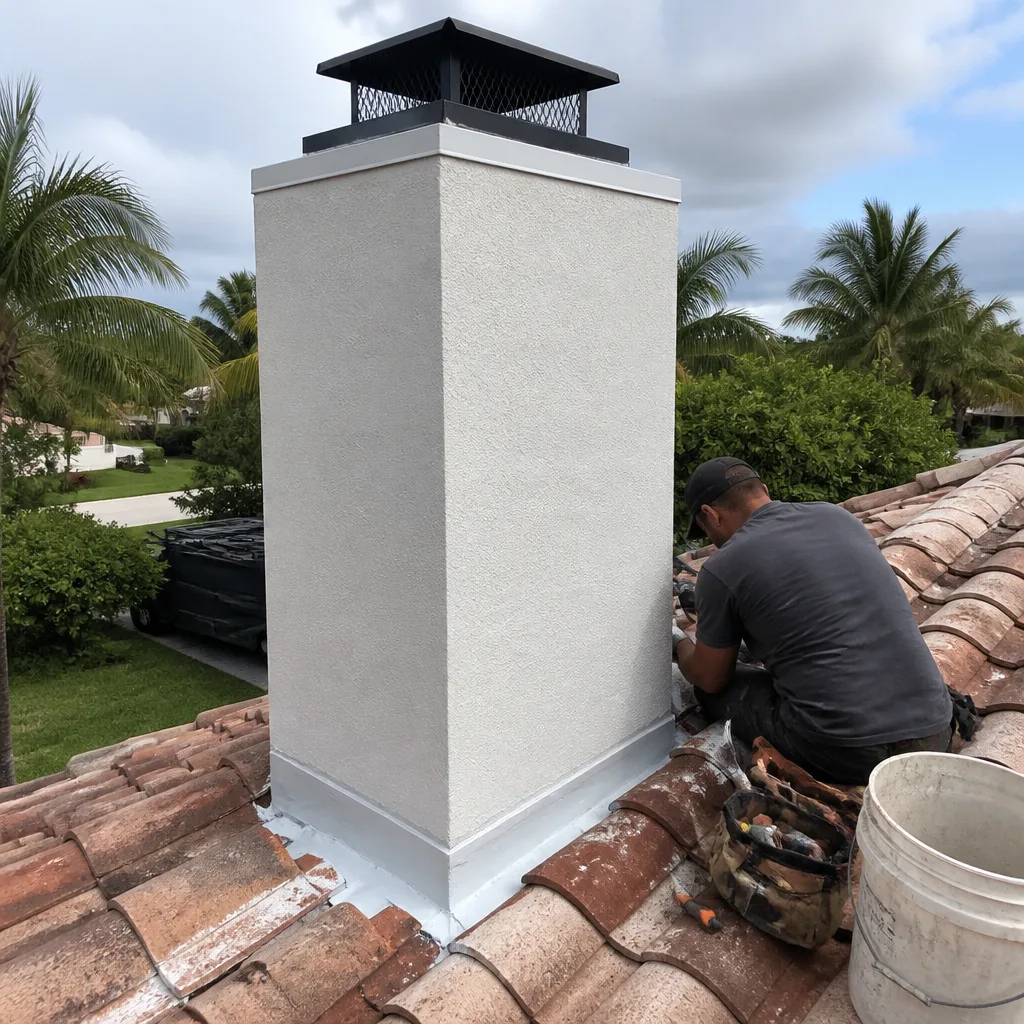
- Chimney cap replacement: $200 to $450 installed. Miami’s salt air eats galvanized steel fast. If your cap is rusted through or the mesh is breeched, replacement is legitimate. Ask to see the old cap before you pay for the new one.
- Chimney crown reseal: $300 to $800. The crown is the concrete slab at the top of the chimney that sheds water away from the flue. In Miami, the wet-dry cycling from daily humidity and heavy afternoon storms creates micro-cracks quickly. A flexible sealant approach costs on the low end; a full crown rebuild costs more.
- Flue liner repair or resurfacing: $2,500 to $6,500. This is the big one. If the clay tiles inside the chimney are cracked or spalled, the liner needs to be addressed. Resurfacing with a product like HeatShield runs on the lower end of that range; a full stainless steel liner installation from a brand like DuraFlex or Copperfield runs higher. This is the right place for a camera inspection, and you should see the footage yourself.
- Fireplace damper replacement: $250 to $550. A damper that won’t fully open is a nuisance. A damper that won’t fully close is a safety concern, because it lets air-conditioned air dump up the flue year-round. Throat dampers are on the lower end; top-sealing dampers cost more.
- Smoke chamber parging: $750 to $1,800. The smoke chamber is the funnel-shaped section above the firebox where smoke accelerates into the flue. In older Miami homes, this section was often left rough or was parged decades ago and is now crumbling. Smoothing it with a refractory mortar improves draft and reduces creosote buildup.
Every one of these is a legitimate repair under the right conditions. The problem isn’t the recommendation. The problem is when a homeowner is quoted these prices from someone who showed up with a coat hanger and a shop vac and no way to document what they found.
Why Miami Construction and Climate Change Your Quote
Miami is not a typical chimney market. The cost factors here are distinct from what you’d see in, say, Boston or Chicago, and they affect the numbers in three specific ways.
Age of construction. Miami’s historic housing stock sits on a bell curve. There are 1920s Mediterranean Revival homes in Coral Gables with masonry chimneys and decorative fireplaces. There are 1950s and 1960s ranch homes in neighborhoods like Westchester and Kendall with block construction and simple masonry flues. And there are 2000s townhomes in Doral and Cutler Bay with factory-built, prefab chimneys. The older the masonry, the more likely a sweep uncovers a liner or damper issue. The newer the prefab, the simpler the sweep, but parts are brand-specific and harder to source.
Fireplace type. A wood-burning masonry fireplace is a completely different animal than a gas insert or a vented gas fireplace. Wood-burning units produce creosote that must be mechanically removed. Gas inserts don’t produce creosote, but they do require annual servicing of the log set, the burner, and the venting. A gas fireplace service in Miami typically runs $150 to $300 and is a different scope of work than a sweep.
Access challenges in high-rise and townhome settings. Miami has more high-rise residential construction than almost any city in the Southeast. A chimney on a 12th-floor condo in Brickell isn’t serviced with a ladder and a brush the way a single-family home in Pinecrest is. High-rise access means coordinating with building management, working from a roof anchor point, and sometimes using rigging. That labor shows up in the quote. If you live in a condo or townhome, the quote is properly higher than the standalone ranges listed above.
How to Read a Chimney Estimate Line by Line
The estimate is the first test. The language a contractor puts on paper tells you almost everything about how the job will go. Here’s what to look for, line by line.
- The sweep line. It should say “sweep” or “cleaning” and include the words “firebox to cap” or “full system.” If it says “basic sweep” and the price is under $100, the line should name every component to be cleaned. If it doesn’t, the omissions are where the add-ons will appear.
- The inspection line. It should specify the level. If it just says “inspection” without a level, ask. A Level 1 and Level 2 inspection are different in both scope and price. If the company won’t put a level on the line, walk.
- The repair line. If you see something like “chimney repair” or “masonry work” without specificity, stop and ask: what exactly is being repaired, what material is being used, and what’s the guarantee? Vague repair language is the single most common way a $99 sweep becomes a $1,900 bill. In our experience, the right phrasing names the component and the material: “repoint mortar joints on south face using type N mortar” or “install stainless steel chimney cap, 16-inch, screened.”
- The materials line. Quality materials have brand names. If you’re getting a liner or a cap or a damper, the estimate should name the product line, not just “steel liner.” Products from DuraFlex, HeatShield, or Gelco are industry-recognized names. If the line says “generic” or names no manufacturer, you won’t know what was actually installed.
- The guarantee line. This is the one most Miami homeowners never see, because most companies don’t offer one in writing. Ask what happens if the repair fails in six weeks. If the answer is “call us and we’ll take a look,” that’s not a guarantee. A guarantee says the repair is covered for a period, and failure means a return visit at no charge. Get it on the paper.
Legitimate Recommendations vs. Inflated Upsells
Not every finding is an upsell. Some are real, and some are inflated. Knowing which is which is the difference between spending $350 and spending $4,000.
Legitimate recommendations:
- A rusted-through cap with breeched mesh on a Miami home within two miles of the coast. Salt air makes this a genuine, frequent finding. Replacement is appropriate.
- A clay tile liner with visible cracks or spalling on camera. This is a fire safety issue, and resurfacing or relining is the correct call.
- A missing or deteriorated rain cap on a gas appliance flue. Water intrusion shortens the life of the entire system.
- A damper that won’t open fully. This creates a smoking problem and limits your ability to use the fireplace safely.
Inflated or questionable recommendations:
- “Your chimney needs a complete rebuild” on a home with minor surface spalling and no structural movement. A rebuild is a $15,000+ job and should be recommended by a structural specialist, not a sweep technician with a once-over glance.
- “The liner is cracked” with no camera footage shown. If they can’t show you the crack, you can’t verify the work. The technology exists to see inside the flue. There is no reason to take it on faith.
- “Your fireplace is unsafe to use” as a standalone statement with no specific component named. Ask which component, what the failure mode is, and what the repair would entail. A vague safety claim is a sales technique, not a diagnosis.
- “You need a moisture barrier applied to the exterior masonry” on a chimney that has no visible water intrusion inside the home. Miami humidity is real, but chimney masonry is designed to get wet and dry. Sealing every chimney as a matter of course is not standard practice.
What a Written Price Commitment Actually Protects
The core promise at Ashby Chimney Miami is the one we’ve built the company on since 2002: every job gets a written price before any work starts. That sounds simple, and it is simple. But the simple version is exactly what most Miami homeowners have never experienced.
What a written price does is eliminate the two most common bad outcomes. The first is the price that changes at the door. A technician arrives, looks around for thirty seconds, and says the job is “more complicated than expected” and the $149 special is now $520. That’s price-switching, and it’s the single most common complaint in the chimney trade. The fix is a price that was decided before anyone showed up, based on the scope of work, written down, and handed to you.
The second is the repair that fails and then disappears. A liner is patched, the patch cracks, and the company doesn’t answer the phone or doesn’t remember you. The fix is a written guarantee on every repair. At Ashby, the 365-Day Done Right Promise is our version: if a covered repair fails within the guarantee period, we return and make it right at no charge. No follow-up invoice, no scheduling dance, no reminder of what you already paid. Nathan Corliss has run Ashby Chimney Miami on this principle for more than two decades. It’s the reason we put our name on every job sheet.
Common Mistakes to Avoid
- Booking the cheapest advertised price without asking what’s included. A $89 Miami sweep special is a loss leader. The operator has to make the visit profitable somewhere, and that somewhere is going to be on the back end. Ask for the full list of included services before booking.
- Assuming a sweep and an inspection are the same thing. They’re not. A sweep cleans. An inspection evaluates. You can have a clean chimney with a cracked liner, and you won’t know without an inspection. If you’re buying a home in Miami, a Level 2 inspection is worth every dollar.
- Accepting a verbal quote without seeing a line-item breakdown. If it’s not on paper, it didn’t happen. A verbal price is a memory, not a commitment.
- Not asking to see the camera footage before approving a liner repair. A camera scan takes minutes and produces visual proof. If a technician can’t show you the crack, you have no way to distinguish a real finding from a manufactured one.
- Ignoring a rusted chimney cap in a coastal Miami home. That cap is the only thing keeping rain, birds, and embers out of your flue. In Salt-Air neighborhoods like Coconut Grove, Key Biscayne, and Coral Gables, caps fail faster than anywhere else in the metro area. Replacement is one of the cheapest preventive repairs you can make.
- Using a chimney that hasn’t been inspected after a hurricane or severe storm. Miami takes direct hits, and high winds shift masonry and damage caps. After any major weather event, a Level 2 inspection is the correct call before you light the first fire of the season.
When to Call a Professional
You should call a chimney professional any time you see these conditions: visible soot or staining around the fireplace opening, a strong smoke odor even when the fireplace isn’t in use, water in the firebox after rain, a damper that won’t open or close, or a chimney cap that’s visibly rusted or missing. If you’re buying or selling a home in Miami, a Level 2 inspection is a required part of your due diligence. And if you’ve just moved into a home with a fireplace you’ve never used, have it inspected before the first fire. Ashby Chimney Miami offers free estimates throughout the Miami area. Call (850) 787-8597 and a live person will answer, any hour, any day. We’ve answered the phone that way since 2002.
Frequently Asked Questions
A standard chimney sweep in Miami runs between $175 and $350 for a wood-burning fireplace, with gas units and prefab chimneys on the lower end and older masonry fireplaces in historic neighborhoods on the higher end. The price should include cleaning from the firebox to the cap, plus a basic visual check of accessible components. Call (850) 787-8597 for an exact quote. Estimates are free.
A Level 1 inspection every year is recommended for any fireplace used more than a handful of times per season, because a small crack or creosote buildup that goes unnoticed becomes a much more expensive problem later. In Miami specifically, the humidity cycle accelerates wear on mortar and metal components, which makes annual checks more important here than in drier climates. If nothing about your appliance or usage has changed, a Level 1 is sufficient.
A sweep removes creosote, soot, and debris from the firebox, smoke chamber, damper, and flue. An inspection evaluates the condition and safety of the entire system, from the firebox to the cap. A sweep cleans; an inspection diagnoses. Many Miami homeowners bundle them into one visit, which is the most efficient approach.
For a wood-burning fireplace in regular use during the cooler months, once per year is the minimum. If you burn more than a cord of wood per season or burn unseasoned wood, sweep twice. Gas fireplaces don’t require sweeping for creosote, but the burner and venting should be serviced annually. Miami’s short burning season means most homeowners schedule one sweep per year, typically in late fall before December use; see our Chimney Sweep Maintenance Checklist for Miami Homeowners for a full seasonal timeline.
The most common outcome is a chimney fire from accumulated creosote, which can spread into the home’s structure, or carbon monoxide intrusion from a blocked or cracked flue into living spaces. Miami’s climate adds two less obvious risks: rusted caps and water-damaged masonry that, unattended, lead to liner replacement or partial chimney rebuild. The repair bills from deferred maintenance are routinely ten times the cost of annual care. If you’re uncertain about your chimney’s condition, call (850) 787-8597 for a free estimate.
Ask for a written price before the job starts, a line-item breakdown of what the price includes, the level of inspection being performed, the brand names of any materials being used, and a written guarantee on any repair. If the company won’t answer any of those, that’s your answer. Also ask whether they’ll show you camera footage of any liner issue before you approve a repair. A reputable Miami sweep company will say yes to all of it.
The Bottom Line
A sweep in Miami costs $175 to $350. An inspection adds $125 to $500 depending on the level. Routine findings like caps, dampers, and liner work add more, sometimes significantly more, and that’s where the surprise comes from. The fix isn’t a cheaper sweep. The fix is a written price before the work starts, a camera image of every claimed defect, and a written guarantee on everything they repair. That’s the entire game. The companies that do it are rare in Miami, which is why we’ve done it this way for more than twenty years. Get the price in writing. See the proof. Keep the guarantee.
Written by Nathan Corliss, Owner at Ashby Chimney Miami, serving Miami since 2002.
See the difference
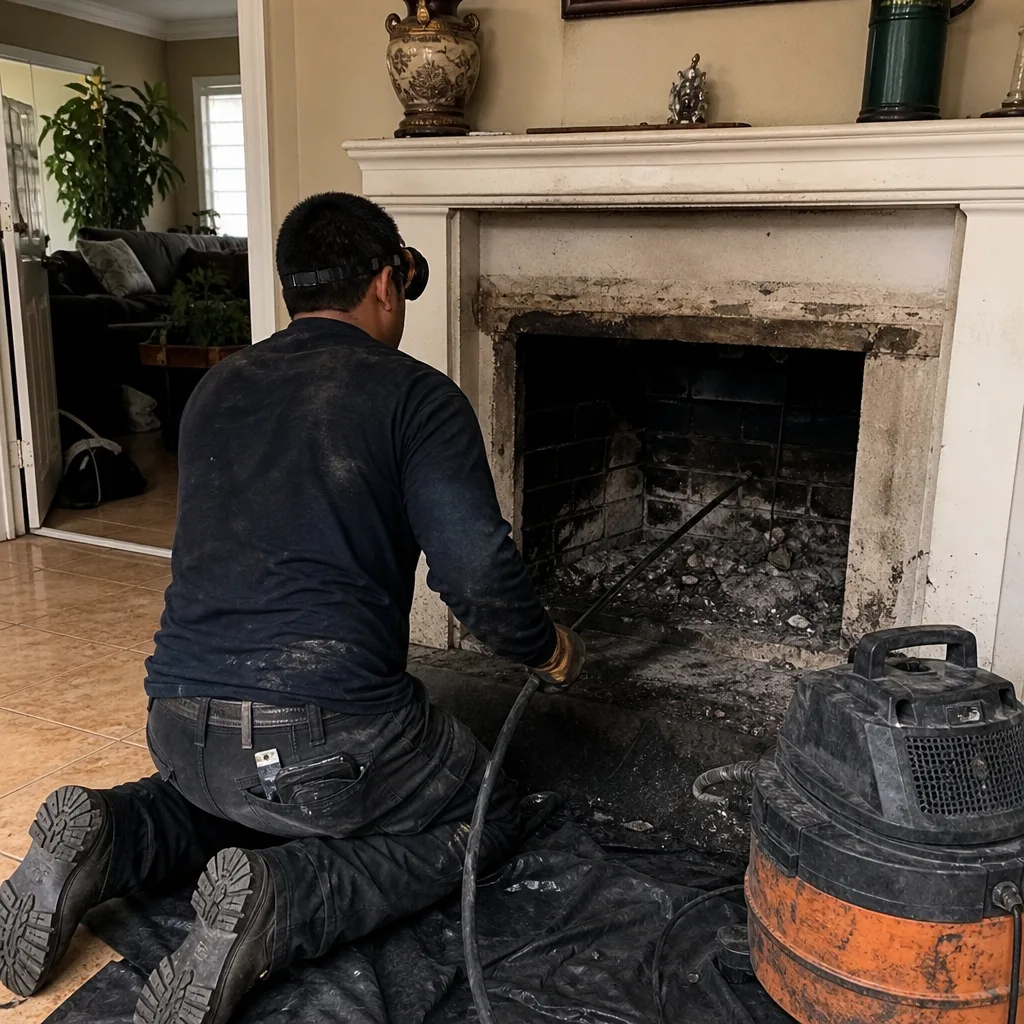 Before
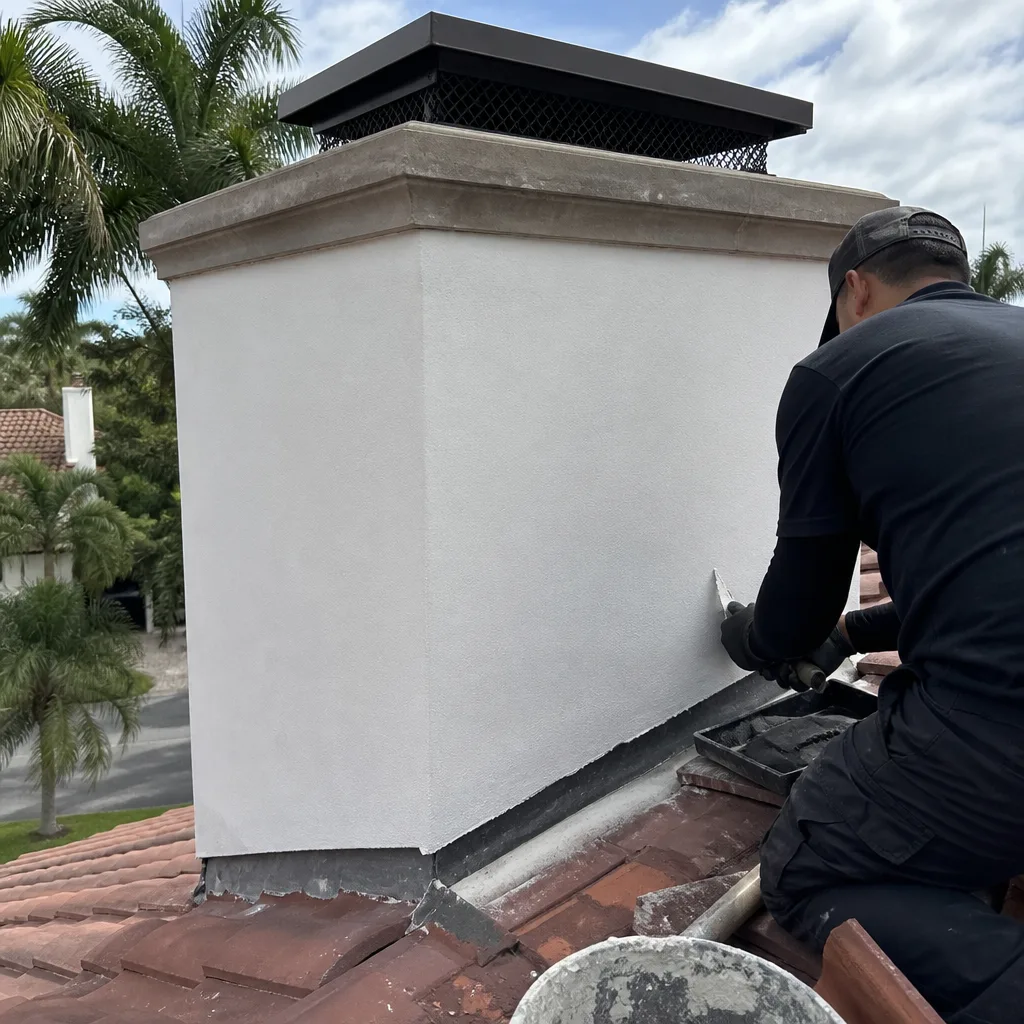 After
After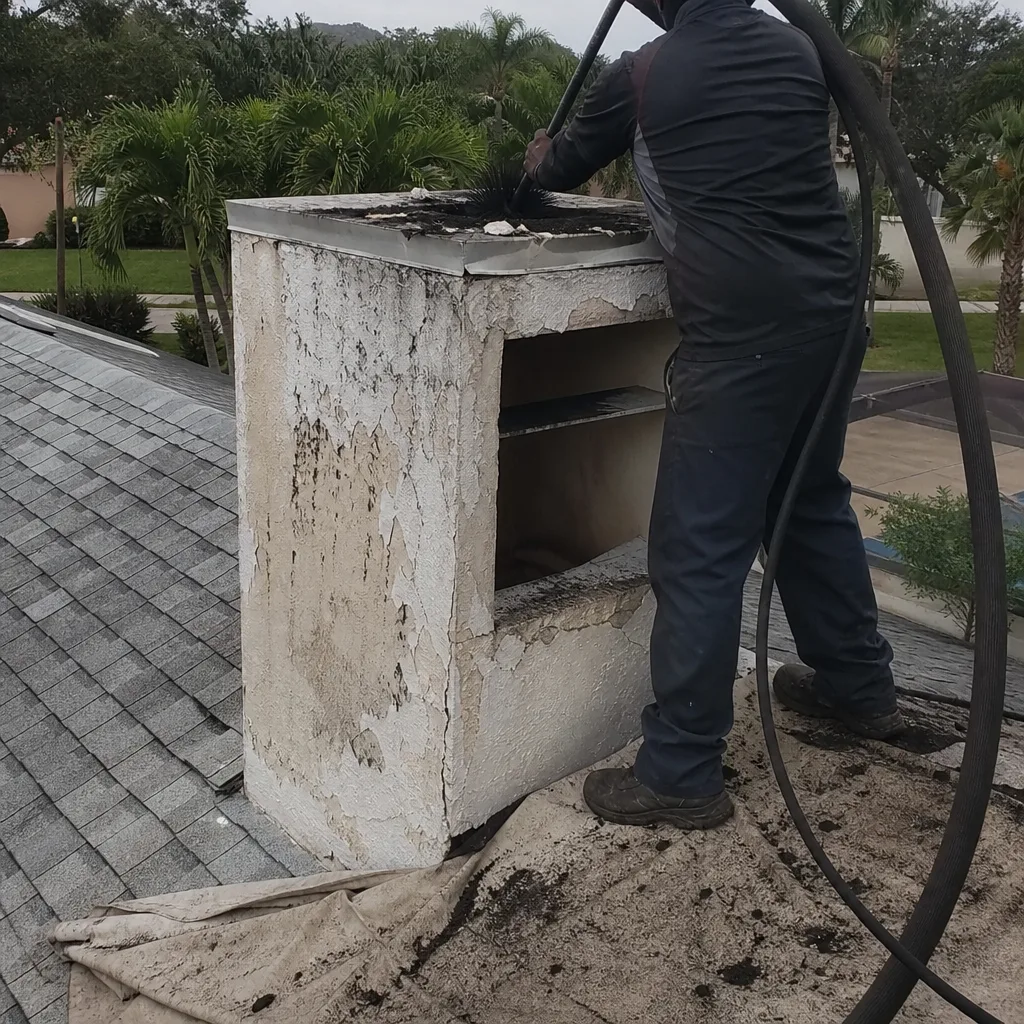 Before
 After
After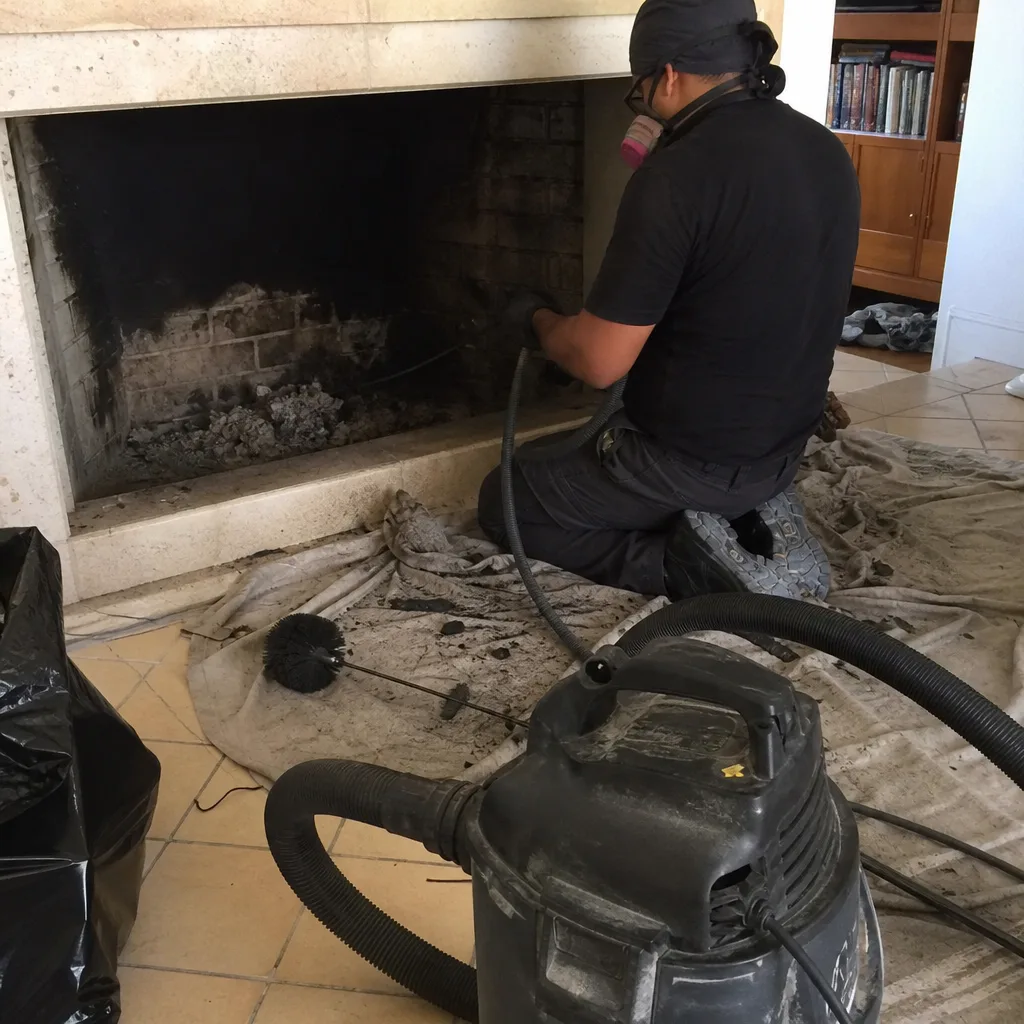 Before
 After
After