
Last updated October 15, 2026
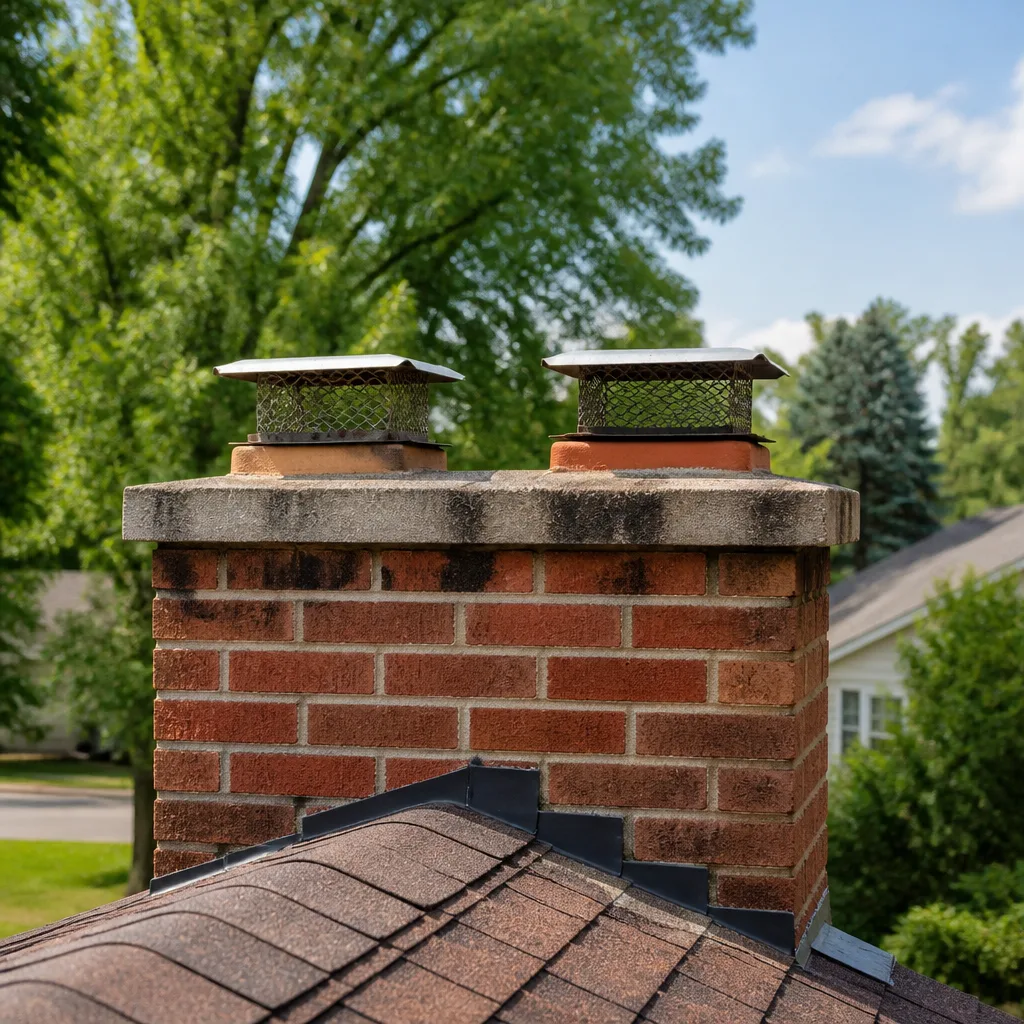 Sweep & inspection
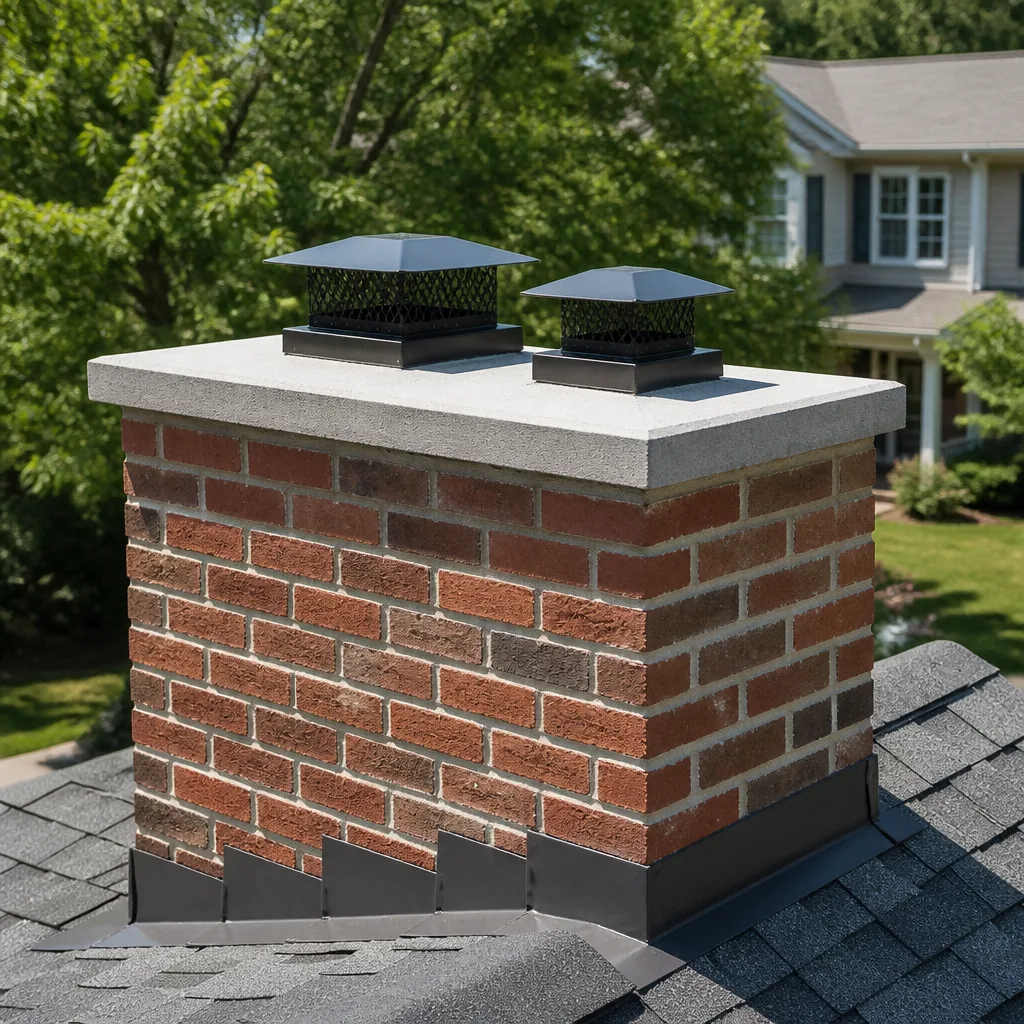 Caps & crowns
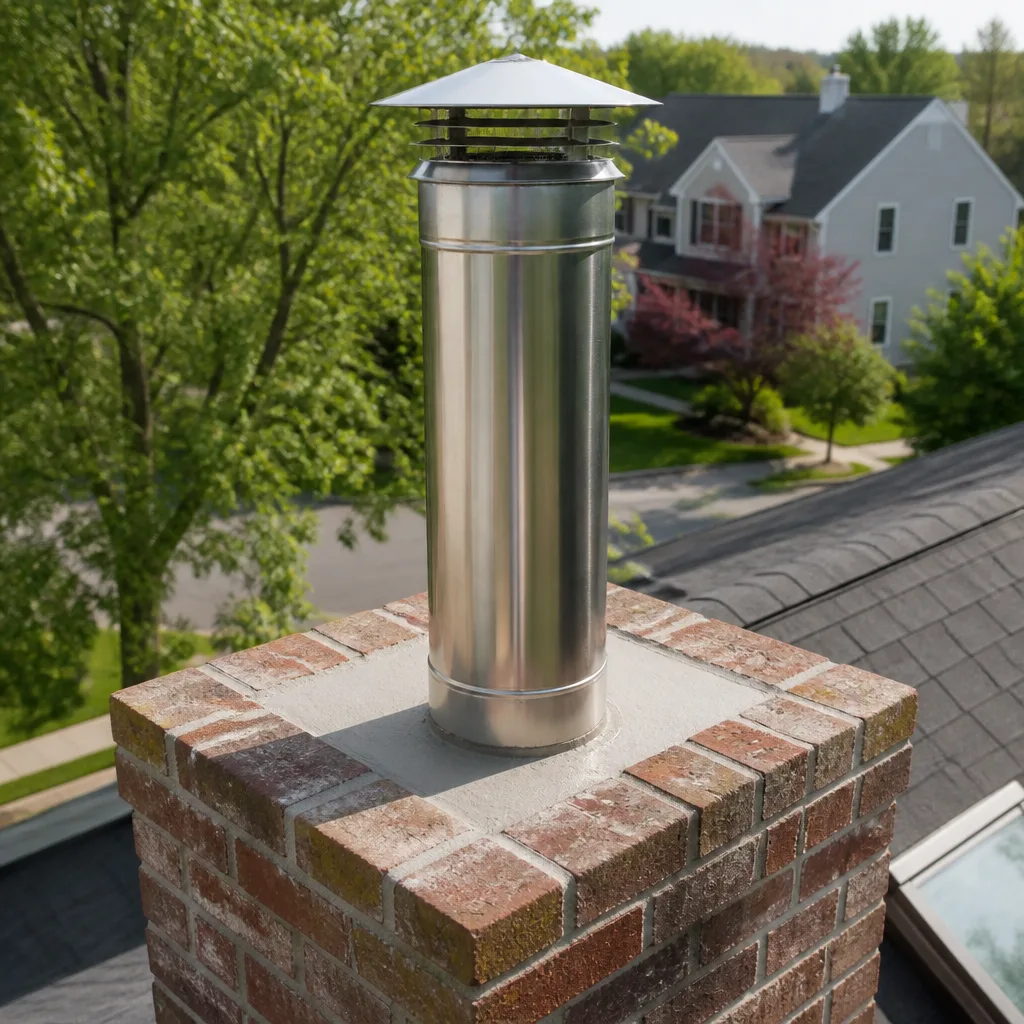 Flue relining
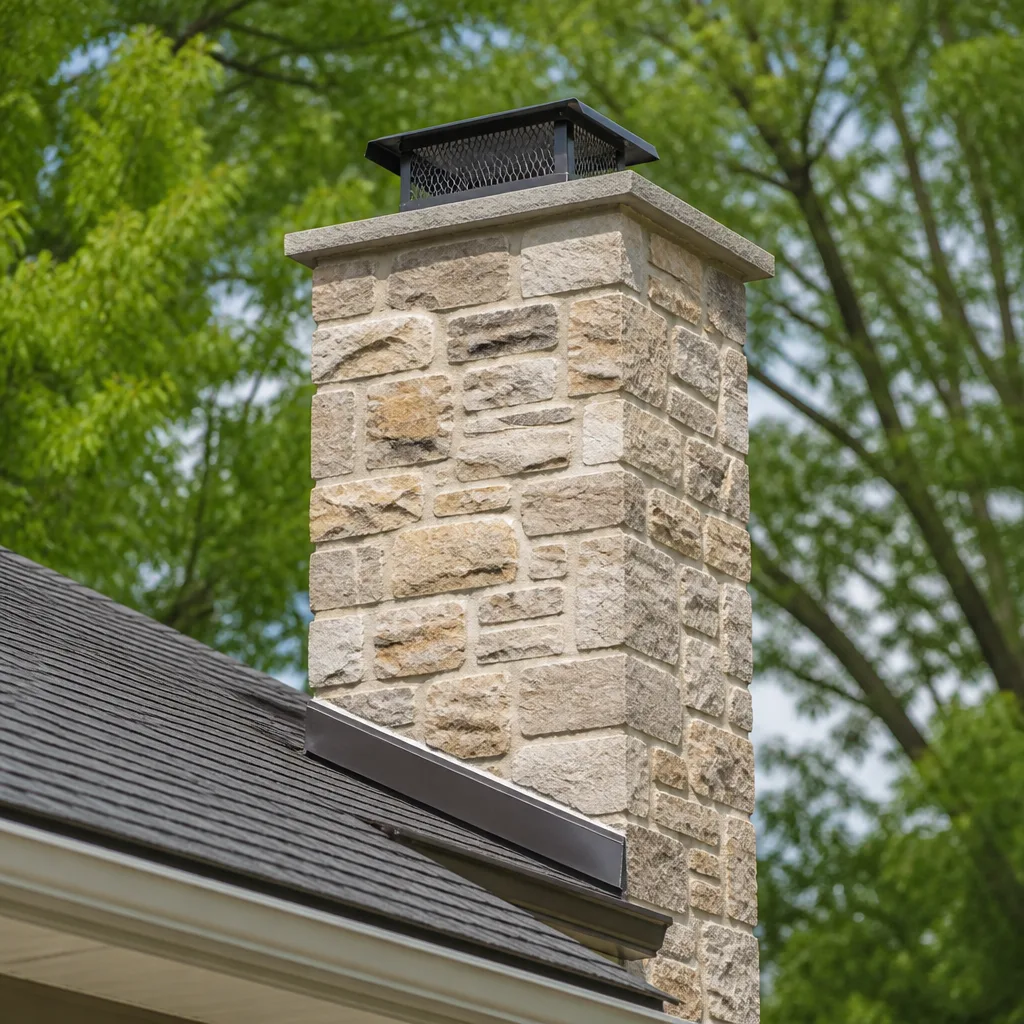 Masonry repair
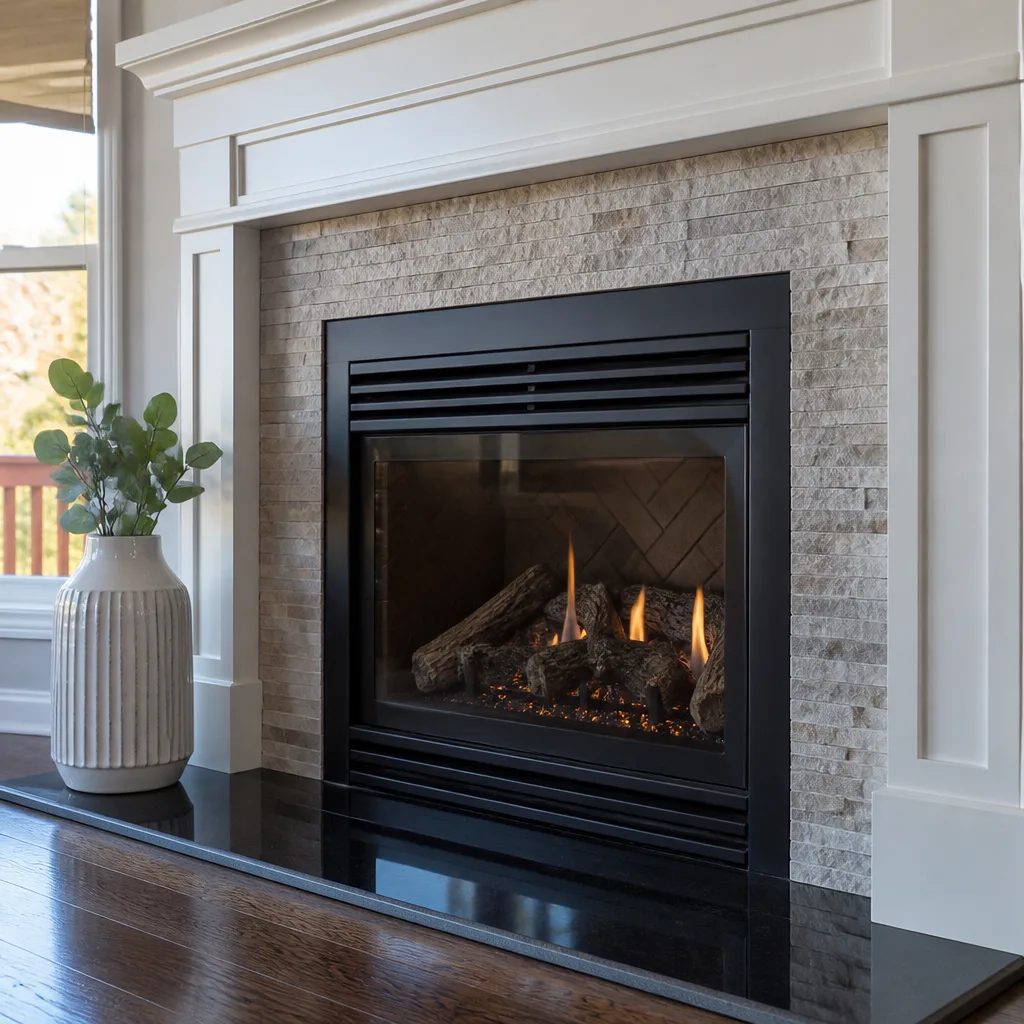 Gas fireplace service
Level 1 sweep and inspection to the NFPA 211 annual standard - flue, crown, cap, and flashing checked and photographed
Chimney sweep logs do not sweep chimneys. They loosen some creosote - which then falls where a brush and vacuum still have to collect it.
Chimney Cleaning Warning Signs: A Miami Homeowner’s Reference Guide
The white staining running down the outside of your Miami chimney isn’t a cosmetic issue. It’s called efflorescence, and it means water is moving through your masonry in a way that’s actively weakening the structure. Most homeowners in Miami never notice it until the damage is already expensive. That’s the frustrating part: the chimney is the most ignored system in the house, and in a coastal climate like ours, ignoring it costs more than it does almost anywhere else. Our Complete Guide to Chimney Cleaning in Miami covers the warning signs that actually matter here, which ones mean “schedule a sweep in the next month,” and which ones mean “don’t light another fire until this is fixed.” By the time you finish, you’ll know what to look for, what it means, and what a fair fix should cost.
Styles & brands we work with
Quick Answer
The warning signs that matter most on a Miami chimney are the ones you can see from your driveway: white mineral stains (efflorescence), flaking or popping brick faces (spalling), a cracked crown wash, and rusted caps. Inside the house, watch for campfire smells in summer, smoke staining around the firebox, and drafts that reverse direction. If you notice any of these, schedule a Chimney Inspection in Miami before lighting your next fire.
Table of Contents
- Exterior Warning Signs You Can See From Your Driveway
- Interior Warning Signs You’ll Notice Inside the House
- Why a Campfire Smell in Summer Is a Specific Miami Red Flag
- Watch and Schedule vs. Don’t Light Another Fire
- How to Photograph Chimney Problems So a Contractor Can Actually Help
- Why Miami’s Climate Accelerates Chimney Damage
- Common Mistakes to Avoid
- When to Call a Professional
- Frequently Asked Questions
- The Bottom Line
Exterior Warning Signs You Can See From Your Driveway
Most Miami homeowners never climb onto their roof, and that’s fine. The exterior warning signs worth knowing about are visible from ground level. Here’s what each one means in plain language.
Efflorescence: The White Staining That Means Water Is Inside Your Masonry
Efflorescence is the chalky white deposit that appears on brick and mortar. It forms when water penetrates the chimney’s masonry, dissolves naturally occurring salts in the brick and mortar, and then evaporates at the surface, leaving the salt behind. In Miami, we see this constantly because of the combination of heavy summer rainfall and high humidity. The humidity slows evaporation, which means water sits inside the masonry longer, which means more salt is drawn to the surface.
A light dusting of efflorescence on an older chimney is common and usually not urgent. But dense, recurring white patches, especially if they reappear after being cleaned off, indicate ongoing water intrusion. That water is working its way through the mortar joints and into the brick itself. Once water is moving through masonry on a regular basis, every rainstorm makes the structure weaker.
Spalling: When Brick Faces Pop Off
Spalling is what happens after water has been inside the brick for long enough. The brick absorbs water, the water expands, and the outer face of the brick flakes or pops off, leaving a rough, recessed surface. You might notice pieces of brick or mortar on the ground near the chimney, or see that the brick surface looks pitted and uneven compared to the rest of the house.
Spalling is a structural issue, not a surface issue. Once the hard outer face of a brick is gone, the softer interior is exposed, and it absorbs water even faster. In our experience, Miami chimneys in neighborhoods like Coral Gables, Kendall, and Cutler Bay show spalling earlier than chimneys in drier inland cities simply because the rainy season runs from May through October and the masonry rarely gets a chance to fully dry out.
Crown Wash Failure: The Cracks on Top You Never See
The crown wash is the concrete or mortar slab that caps the top of the chimney. Its job is to shed rainwater away from the flue and the masonry. When it’s intact, water runs off the edge. When it cracks, separates from the flue, or erodes, water runs directly down into the chimney structure.
Here’s the problem: you can’t see the crown wash from the ground. But you can see its failure. If you’re seeing efflorescence high on the chimney, or water stains on the ceiling near the chimney chase, or rusted dampers inside the firebox, a failed crown wash is one of the most likely culprits. This is one of the reasons a Chimney Inspection in Miami is worth doing even if you rarely use your fireplace: the most important component to inspect is the one you can’t see.
Corroded or Missing Chimney Caps
The chimney cap is the metal assembly at the top of the flue. It keeps rain out, keeps animals out, and serves as the spark arrestor that prevents embers from leaving the chimney. In Miami’s salt-heavy coastal air, caps corrode faster than they do inland. Look for rust streaks running down the sides of the chimney from the cap area, or a cap that’s visibly tilted or missing sections.
A corroded cap fails in two ways. First, it lets water directly into the flue, which causes internal damage and accelerates the breakdown of clay flue liners. Second, a rusted or missing spark arrestor is a fire hazard, plain and simple. If you can see the cap from the ground and it looks rough, have it looked at before your next fire.
Interior Warning Signs You’ll Notice Inside the House
Not every warning sign is outside. Some of the most useful signals happen inside your living space, and most of them get dismissed as “the house settling” or “that smell from last winter.” Here’s what to pay attention to.
Odor Patterns That Change With the Weather
A fireplace that smells like smoke after a fire is normal and fades in a day or two. A fireplace that smells like a campfire in June when you haven’t lit a fire since January is not normal. That’s what creosote and soot smell like when they’re sitting in the flue, absorbing humidity from Miami’s air, and releasing odor into the house. The smell gets stronger on humid days and after it rains, and it often comes and goes unpredictably. That’s a sign that the flue has a buildup that should come out, and possibly that the damper isn’t sealing properly.
Draft Reversal and Smoke Staining Around the Firebox
Draft reversal is when air moves down the chimney instead of up it. You feel it as a cold draft coming from the fireplace on days when you haven’t lit a fire, or as a smell that seems to get pulled into the house instead of vented out. In Miami, mild winter temperatures mean homes often rely on air conditioning, which creates a slight negative pressure inside the house. A chimney with a weak draft will reverse under those conditions, pushing flue gases and stale air back into the room.
Smoke staining around the firebox opening, particularly on the lintel above the opening, is a sign that smoke is not exiting efficiently during fires. It means the flue is partially blocked, the damper isn’t opening fully, or the flue is sized wrong for the firebox. None of these are problems you should keep living with, because incomplete combustion gas venting is a carbon monoxide concern, not just a soot stain issue.
Why a Campfire Smell in Summer Is a Specific Miami Red Flag
Let’s talk about the campfire smell more directly, because it’s the one warning sign most Miami homeowners dismiss fastest. The thinking goes: it’s just leftover smell from winter, it’ll go away on its own. But here’s why it’s worth taking seriously.
When a chimney isn’t used for months, the creosote and soot inside the flue absorb moisture from the air. Miami’s average relative humidity runs between 70% and 80% through most of the year. That means the deposits inside your flue are essentially wet all summer long. Wet creosote off-gasses, and the smell enters the house whenever the air pressure shifts, usually in the evening when the AC cycles and doors open and close.
A strong campfire smell in summer can also indicate something more specific: a blockage. If a bird, squirrel, or other animal built a nest in the flue during the spring, the nest material absorbs moisture and decomposes slowly, producing an odor that’s sharper and more sour than plain creosote. If the smell is accompanied by scratching sounds or an increase in insect activity near the fireplace, the odds of a nest go up significantly. Both scenarios, creosote saturation or a nesting blockage, are best handled by a professional sweep.
Watch and Schedule vs. Don’t Light Another Fire
Not every warning sign means the same level of urgency. Our Chimney Sweep Maintenance Checklist for Miami Homeowners breaks down how we think about it, and it’s a useful framework for any homeowner here.
Watch and Schedule: These Signs Mean Book a Sweep in the Next Month
- Light efflorescence that appeared recently and hasn’t spread. It means water is starting to move through masonry, and a sweep plus a crown check will identify where it’s coming from.
- Mild campfire odor that comes and goes in summer but isn’t overwhelming. This usually indicates creosote buildup that should be removed before the next burn season.
- A slowly developing draft issue where the fireplace feels slightly drafty on cool nights. This can often be addressed with a sweep and a damper adjustment.
- Surface rust on the cap without visible holes or missing sections. A sweep can assess whether it needs replacement now or has more life left.
Don’t Light Another Fire: These Signs Mean Stop and Call Before You Burn
- Spalling brick or missing mortar sections visible from the ground. The structural integrity of the chimney is already compromised, and heat, combined with the existing water damage, accelerates further failure.
- Smoke staining around the firebox or visible smoke entering the room during fires. This means combustion gases are not venting properly, which is a carbon monoxide hazard.
- A very strong campfire or sour smell that persists for days, especially if it’s accompanied by scratching sounds. This suggests a significant blockage, possibly a nest.
- Water dripping or visible moisture inside the firebox during or after rain. This means the cap or crown has failed to the point where water is entering the flue directly.
- Any sign of fire having escaped the firebox, including scorch marks on the surrounding wall, a discolored damper, or a fire that previously spread beyond the designated area. This is a structural and safety issue that requires professional assessment before any further use.
The rule of thumb is simple: if the sign involves moisture, it’s usually a schedule-this-month item. If it involves smoke or venting, it’s a don’t-burn-until-it’s-checked item. Smoke issues are the ones that put your household at risk of carbon monoxide exposure, and that’s the line we don’t soften on.
How to Photograph Chimney Problems So a Contractor Can Actually Help
One of the most useful things a Miami homeowner can do before calling a chimney company is document what they’re seeing. Good photos save time, make estimates more accurate, and give you a baseline to compare against next year. Here’s a simple method we recommend, and it works whether you’re sending photos to Ashby Chimney Miami home or to any other contractor.
- Take a wide shot from the street or driveway. This shows the full chimney, its position relative to the roof, and any staining patterns that run vertically. Include the roofline so the contractor can judge height and access.
- Take close-ups of each problem area. If there’s efflorescence, photograph it from two angles. If there’s spalling, get close enough to show the depth of the recessed brick. If there’s rust on the cap, zoom in as much as your phone allows.
- Take an interior shot of the firebox. Open the damper if you can, and photograph up into the flue with the flash on. This won’t replace a proper inspection, but it gives the contractor a starting point.
- Photograph the same spots from the same angles each time. The goal is comparison. If you photograph the efflorescence patch in the southeast corner of the chimney every three months, you’ll be able to tell whether it’s spreading, staying the same, or improving.
- Label the photos with the date. Most phones do this automatically in the metadata, but writing it on a notecard in the photo is even better. When you send photos to a contractor six months later, the date context matters.
This simple habit solves the biggest problem in the chimney industry: homeowners who describe a problem vaguely over the phone, and contractors who show up and see something completely different from what was described. Photos create a shared starting point, and they let a good contractor tell you honestly whether the issue needs a visit now or can wait.
Why Miami’s Climate Accelerates Chimney Damage
Miami’s climate is among the most aggressive in the country for chimney deterioration, and it’s worth understanding why, because it changes how often you should sweep and inspect compared to what you might read in general advice written for drier parts of the country.
First, there’s the rain. Miami averages around 60 inches of rainfall per year, with most of it concentrated in the summer months. That’s an enormous amount of water hitting your chimney crown, cap, and masonry. Older homes in neighborhoods like Shenandoah, The Roads, and Coconut Grove often have original brick chimneys that were built before modern waterproofing techniques, and those structures have been absorbing Miami rain for decades.
Second, there’s the humidity. Even when it’s not raining, the air is saturated with moisture. That humidity slows the evaporation of any water that’s already inside the masonry, meaning the structure stays wetter longer than it would in a drier climate. Wet masonry is softer, more susceptible to freeze-thaw damage (though freezing is rare in Miami, thermal expansion still stresses the material), and more vulnerable to salt crystallization from efflorescence.
Third, there’s the salt. Homes close to the coast, in areas like Key Biscayne, Miami Beach, and Brickell, are exposed to airborne salt spray. Salt accelerates the corrosion of metal components like caps and dampers, and it contributes additional mineral deposits to the masonry surfaces. A stainless steel cap that might last 20 years in a dry inland city can corrode noticeably in 10 to 12 years in coastal Miami.
The practical takeaway from this is that Miami homeowners should think about chimney maintenance on a more frequent schedule than the national average. The standard advice of “sweep every year” is a reasonable baseline, but a Miami chimney that’s exposed to this much moisture and salt probably benefits from a professional inspection every year and a sweep whenever the creosote accumulates to even a moderate level. See our DIY vs Professional Chimney Cleaning guide to decide whether to handle it yourself or call in a pro.
Common Mistakes to Avoid
- Ignoring exterior staining because “it’s just cosmetic.” Efflorescence is a symptom of water movement, and water movement is what destroys masonry over time. Every year the staining is visible and untreated is a year the structure has been slowly degrading.
- Assuming a rarely used fireplace doesn’t need inspection. The most dangerous problems are often the ones that develop silently: cracks in the crown, animals nesting in an unused flue, corrosion in the cap. A chimney that never gets used still gets rained on.
- Lighting a fire to “burn off” the smell. If you smell something unusual from the fireplace, the correct response is to have it checked, not to light a fire and hope the smell burns away. A fire in a blocked or damaged flue can be the thing that turns a slow problem into an emergency.
- Using off-the-shelf chimney cleaning logs instead of a proper sweep. Those logs can help reduce some creosote in specific conditions, but they don’t remove solid blockages, they don’t inspect the flue, and they give homeowners a false sense that the chimney is safe when it may not be.
- Painting over efflorescence or sealing it from the outside. Sealing over efflorescence traps the water inside the masonry and makes the problem worse. The correct fix is to identify and address the water source, then allow the masonry to dry.
- Comparing chimney quotes on price alone. A cheap sweep that doesn’t include an inspection, or a cheap repair that uses substandard materials, costs more in the long run when the problem comes back. The relevant comparison is what’s included in the written price and what’s covered by the guarantee.
When to Call a Professional
Call a professional chimney company in Miami if you see any of these: efflorescence that’s dense or spreading, spalling brick, visible rust on the cap, smoke entering the room during fires, a persistent campfire smell when the fireplace hasn’t been used, or water inside the firebox after rain. You should also call if you’ve owned the home for more than a year and have never had the chimney inspected, even if nothing looks wrong from the ground. Some of the most expensive repairs start invisibly, in the flue and on the crown, where you can’t see them from the driveway.
Ashby Chimney Miami offers free estimates in Miami. We’ll walk the property with you, show you what we’re seeing, and give you a written price before any work starts. Call (850) 787-8597 to schedule.
Frequently Asked Questions
A chimney sweep in Miami typically costs between $180 and $350 depending on the size of the flue, the height of the roof, and the amount of buildup. If the sweep includes a full inspection and the chimney hasn’t been cleaned in years, expect the higher end of that range. Ashby Chimney Miami gives a written price before any work starts, so the number we quote at the door is the number on the invoice. Call (850) 787-8597 for an exact quote, free of charge.
A chimney that’s used regularly during the winter should be swept once a year, and that’s the minimum. In Miami, where humidity accelerates creosote absorption and salt air accelerates cap corrosion, an annual inspection is worth doing even if you rarely burn. A good Chimney Sweep in Miami will tell you honestly whether a sweep is needed now or the flue can go another year.
Sometimes, but not always. A clay flue liner with minor cracks can often be repaired using HeatShield or a similar resurfacing product, which is less expensive than a full replacement. But if the liner has separated, collapsed, or cracked extensively, a new liner, often a DuraFlex stainless steel system, is the correct fix. Ask for camera footage. A company that recommends a liner replacement should show you the damage on video, not just describe it over the phone.
Skipping a chimney sweep means creosote continues to accumulate. In the best case, you get a smell that becomes harder to live with and eventually a flue that’s so restricted the fireplace stops drafting properly. In the worst case, creosote ignites and you get a chimney fire, which can crack flue liners, damage the masonry, and in extreme cases spread to the house. The sweep is less expensive than the repair after the fire, in every scenario we’ve ever seen.
Efflorescence is a mineral salt deposit that forms when water moves through brick and mortar, dissolves salts inside the masonry, and then evaporates at the surface. The white staining left behind is the salt. In Miami, the high humidity and frequent rain make efflorescence much more common than in drier climates, and it’s a reliable indicator that water is getting into the chimney structure somewhere it shouldn’t.
You can and should do a visual check from the ground every few months, using the photo documentation method described above. But a ground-level visual check misses the crown wash, the upper flue, and the interior of the chimney. Those are the areas where the most expensive problems start, and they require a roof-level or interior camera inspection. A professional Fireplace Repair in Miami specialist can also assess the firebox and damper condition at the same time.
The Bottom Line
The chimney warning signs that matter most in Miami are visible before they become expensive, if you know what to look for. White staining, flaking brick, rusted caps, and smoke smell in summer are all signals that the chimney needs attention now, not after another season of rain and humidity. The biggest mistake is assuming a rarely used fireplace is a healthy one, because the Miami climate is working on your chimney whether you burn or not. A professional sweep and inspection costs less than almost any repair, and it gives you a written record of what’s happening so you can plan ahead. For more guides & resources on keeping your chimney safe in South Florida, browse our blog. If you’ve noticed any of the signs in this guide, call Ashby Chimney Miami at (850) 787-8597 and we’ll come look at it with you.
Written by Nathan Corliss, Owner at Ashby Chimney Miami, serving Miami since 2002.
See the difference
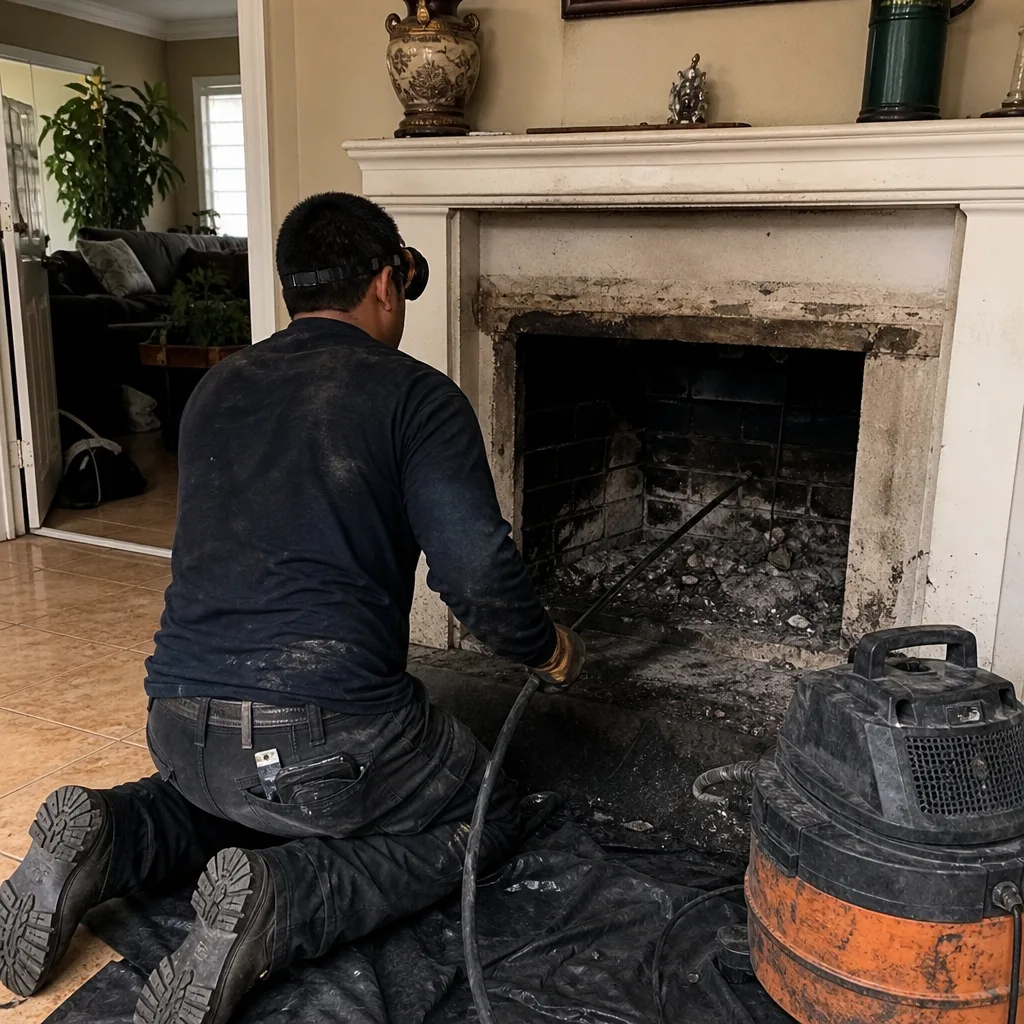 Before
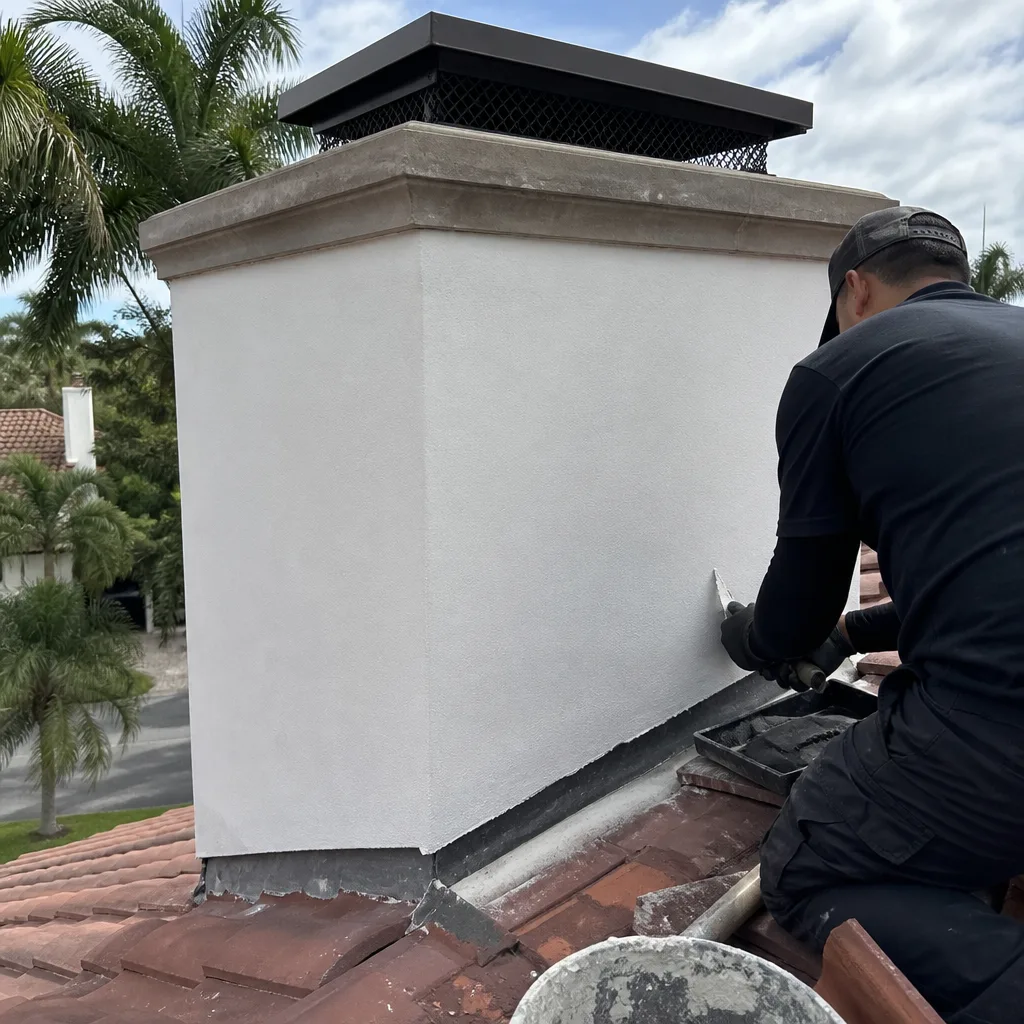 After
After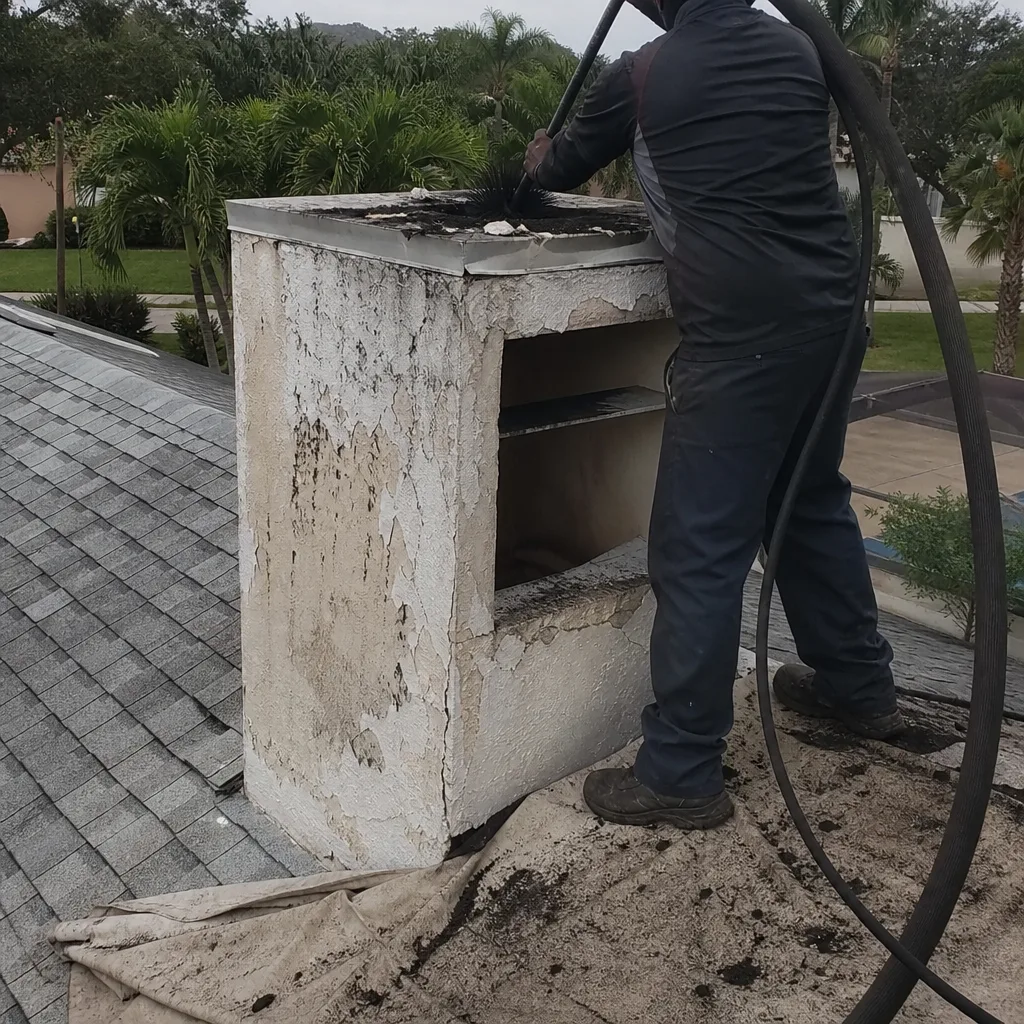 Before
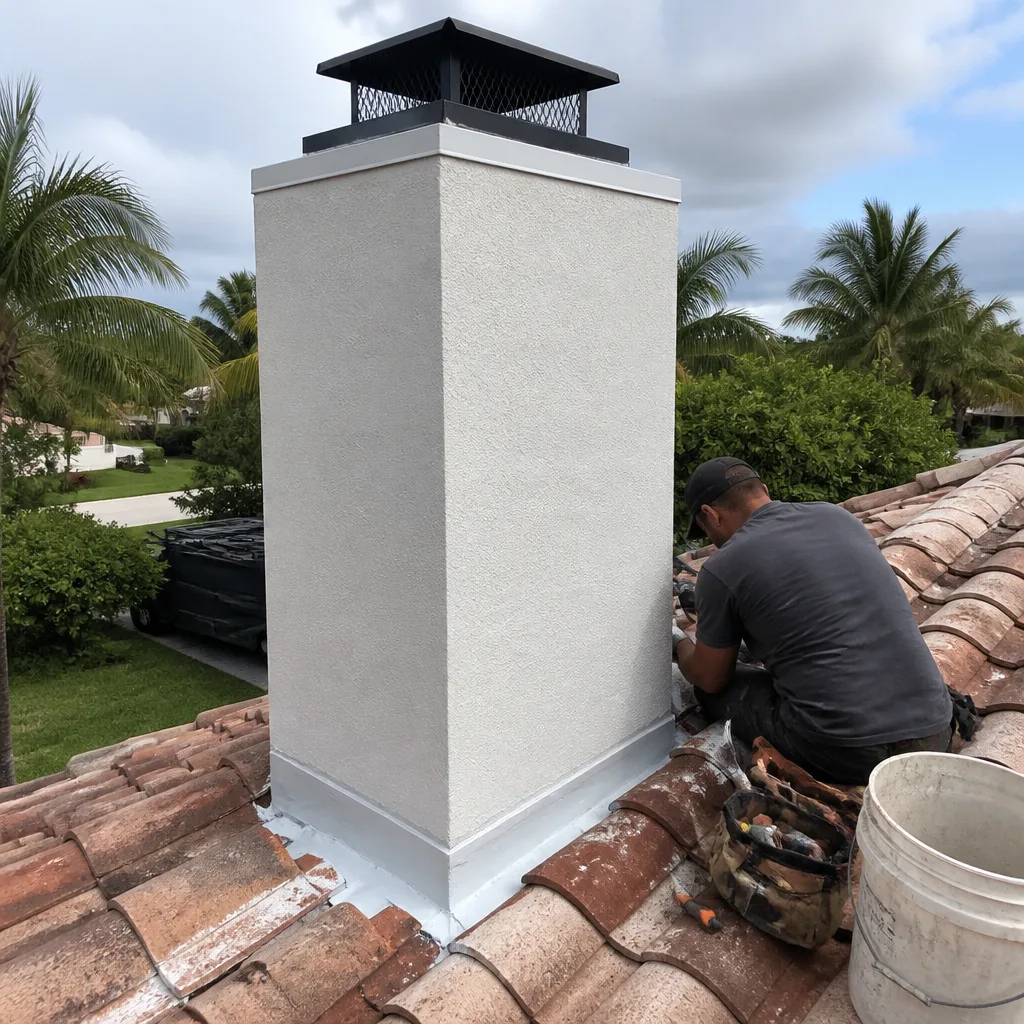 After
After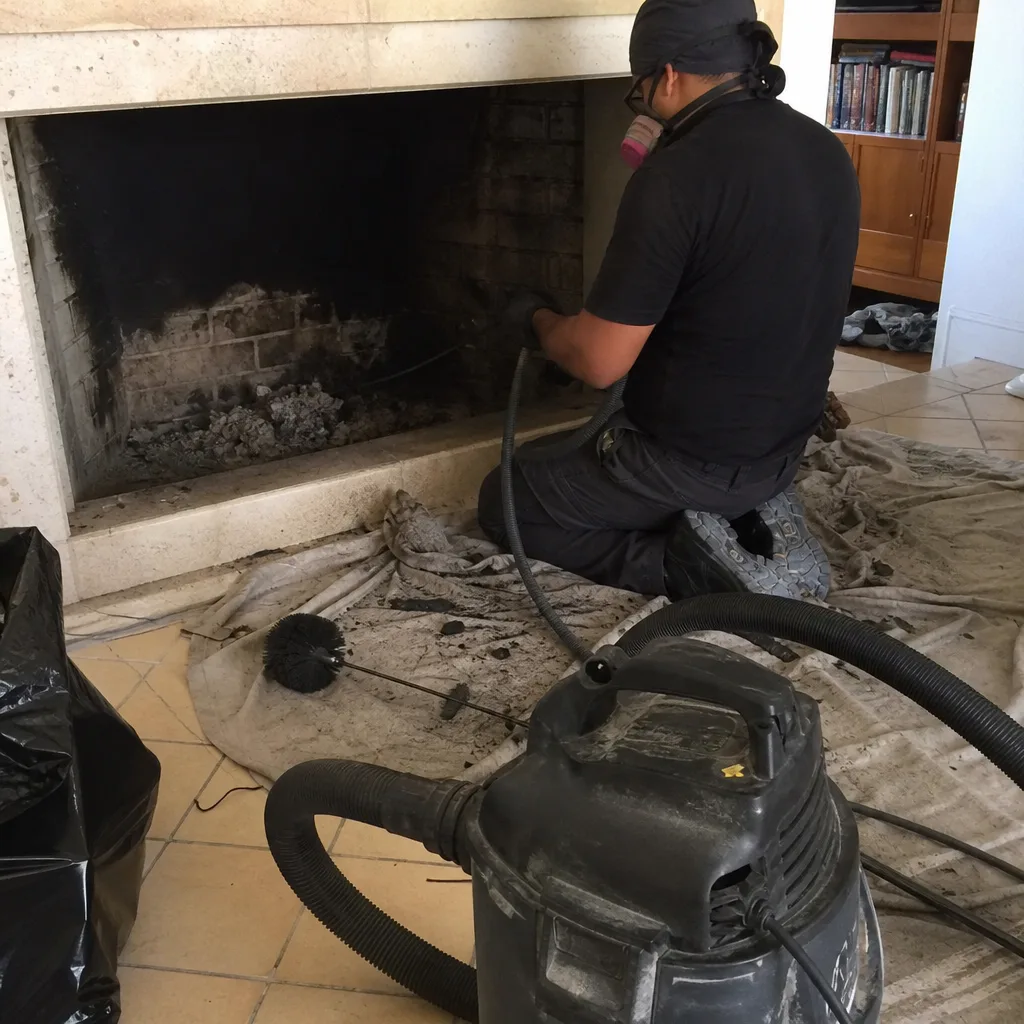 Before
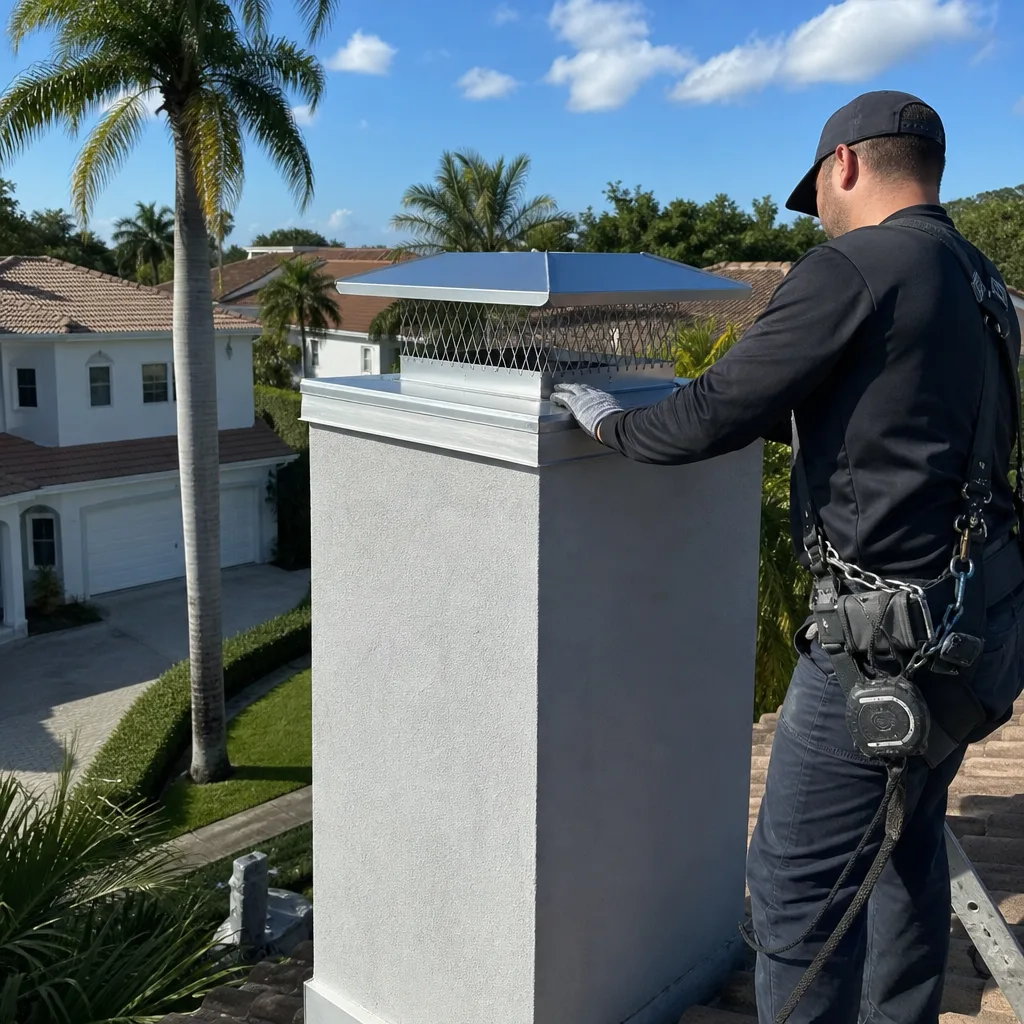 After
After