
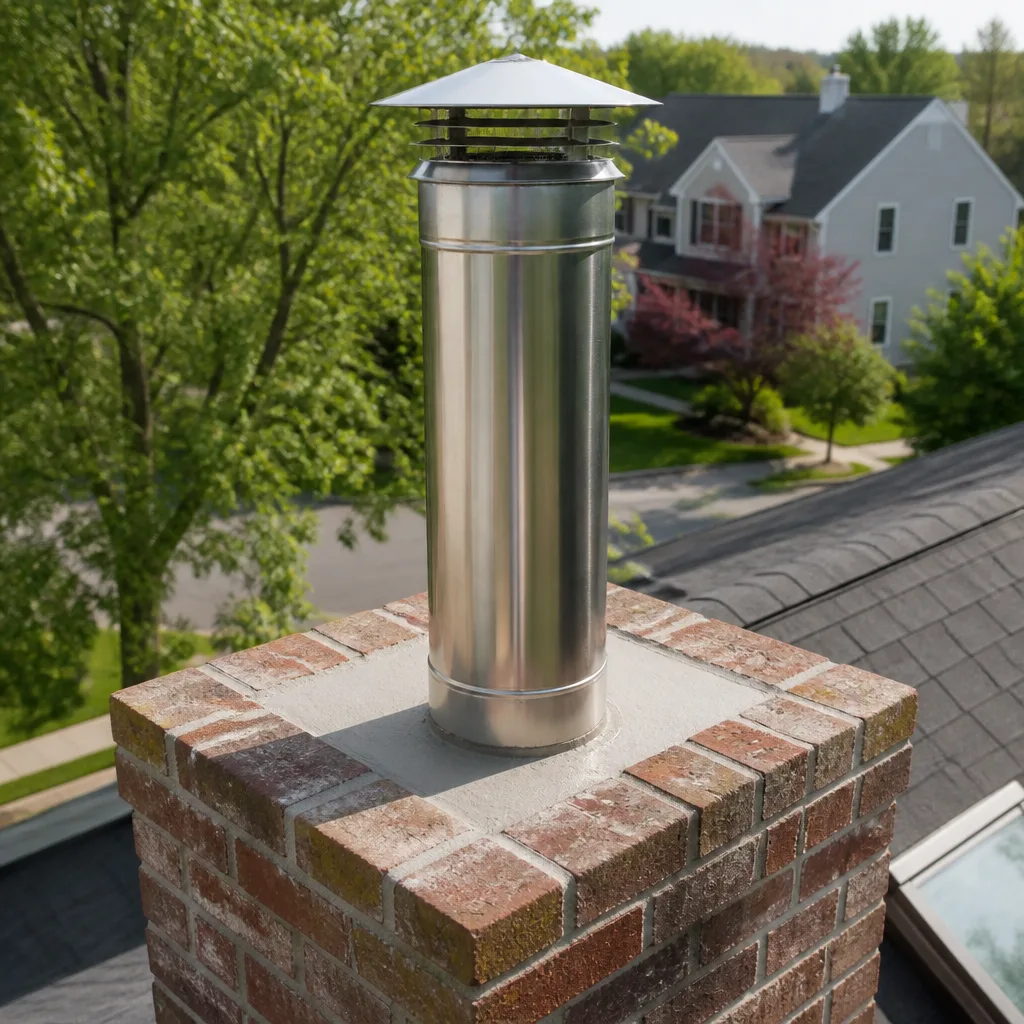
 Flue relining
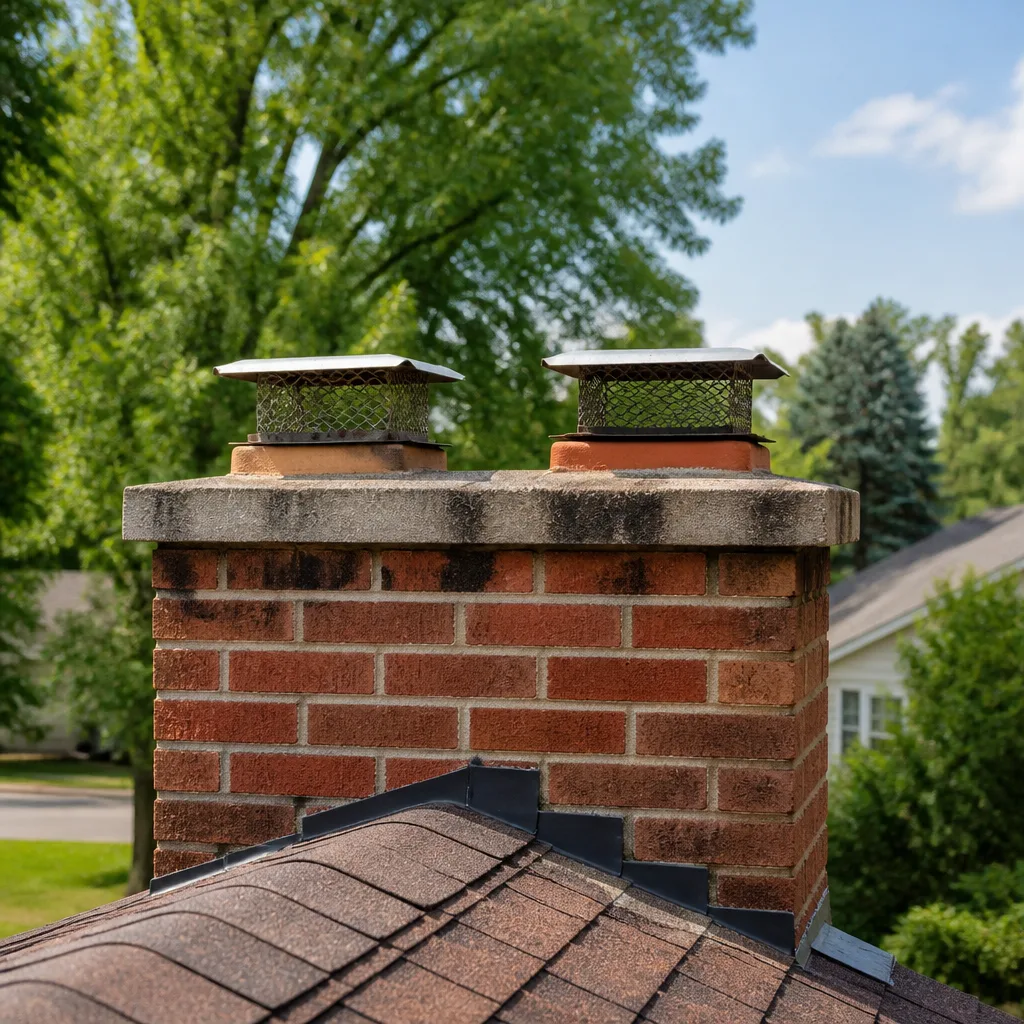 Sweep & inspection
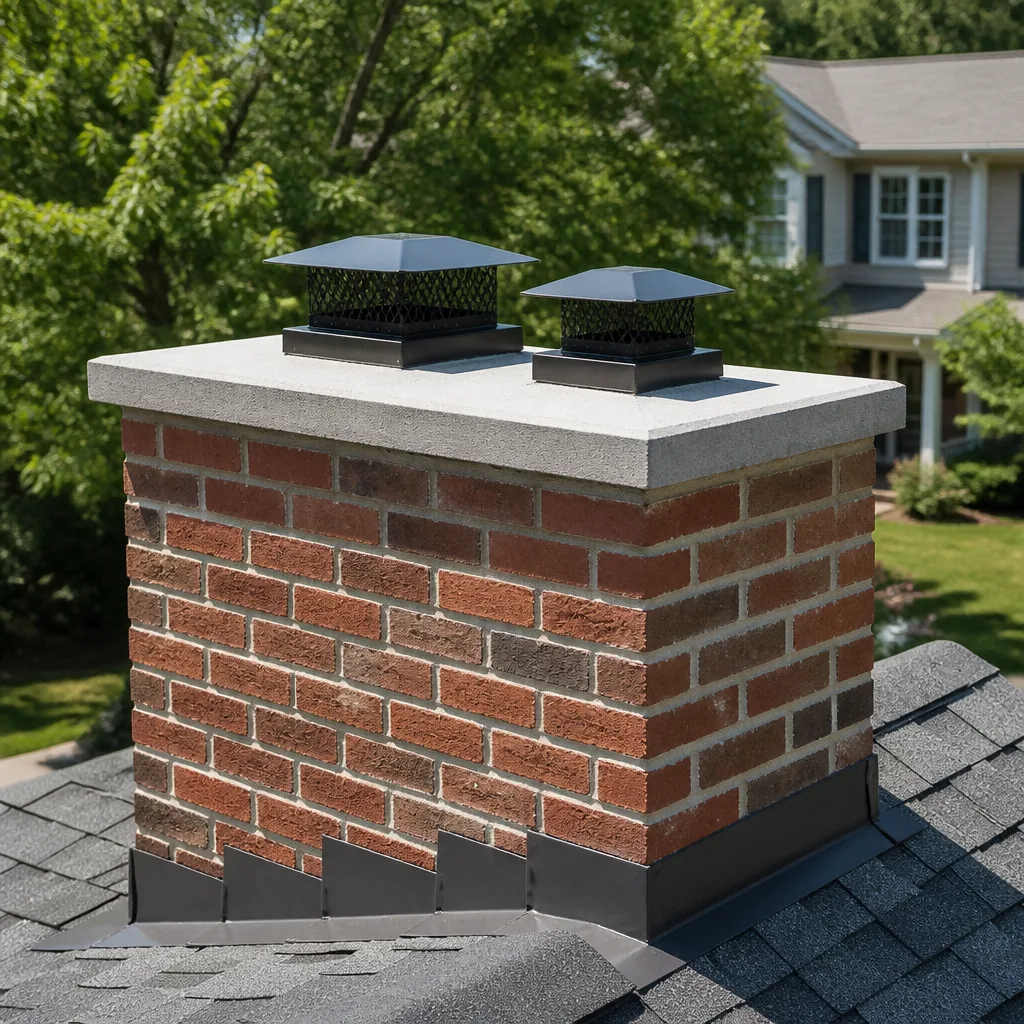 Caps & crowns
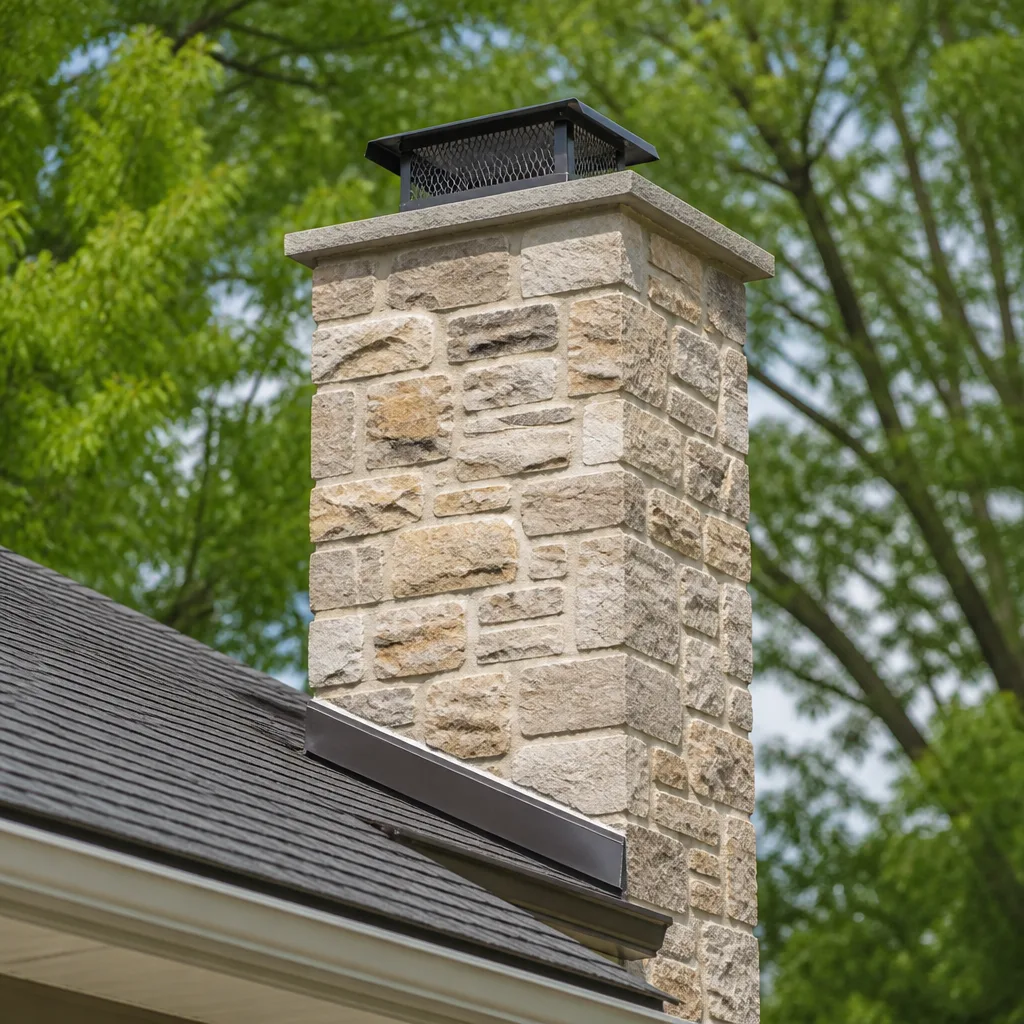 Masonry repair
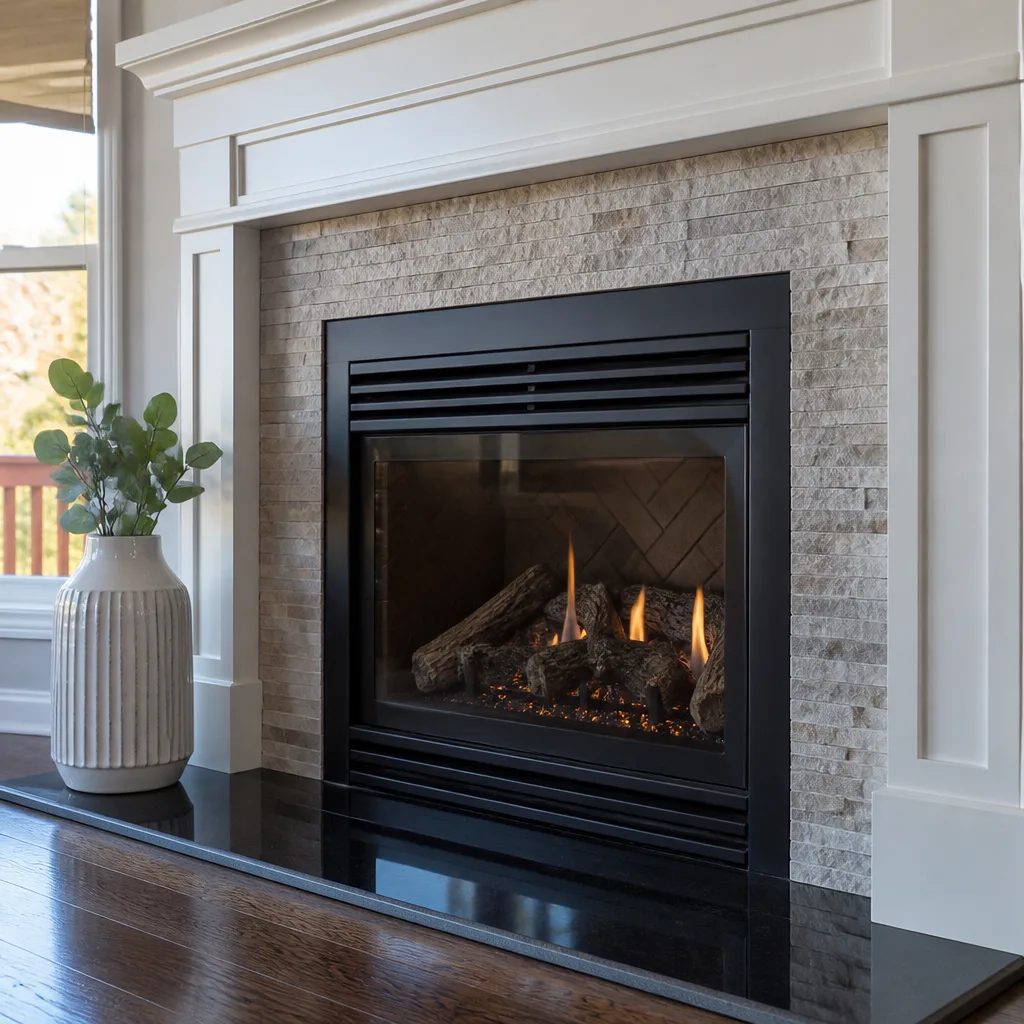 Gas fireplace service
Level 1 sweep and inspection to the NFPA 211 annual standard - flue, crown, cap, and flashing checked and photographed
Chimney sweep logs do not sweep chimneys. They loosen some creosote - which then falls where a brush and vacuum still have to collect it.
HeatShield Flue Liner Replacement: The Miami Owner’s Guide
If you have a HeatShield liner that’s cracked, rusted through, or simply worn past its service life, here’s the straight answer: we install HeatShield-compatible flue liner replacements in Miami for $1,900 to $4,200 installed, depending on your flue’s height, diameter, and access. Most jobs are completed in a single day, and yes, we keep liner stock on our trucks so we’re not making you wait three weeks for a part to ship. You usually find out your HeatShield liner has failed one of two ways: a chimney inspection flags it on camera, or you notice rust flakes, a sour smell, or water staining near the fireplace after our heavy summer rain season.
Which HeatShield Models This Applies To
HeatShield’s ceramic-cement resurfacing system is applied over existing flue liners, and the replacement conversation depends on what’s underneath. If your original clay tile liner failed and was resurfaced with HeatShield, the HeatShield coating itself can separate, spall, or crack over time, especially in Miami’s humidity cycles where flue surfaces sweat during the wet season. When that happens you’re not patching the HeatShield. You’re replacing the flue liner beneath it. We see two paths: a stainless steel liner replacement that drops inside the old flue, or a full clay tile rebuild where the chimney structure allows it.
Here’s the compatibility gotcha most Miami homeowners never hear: HeatShield isn’t a liner material in the way stainless steel is. It’s a proprietary resurfacer, which means the “replacement part” is the liner underneath, not the HeatShield itself. If your installer told you HeatShield would permanently fix a cracked flue, that was true only as long as the underlying clay tiles stayed structurally sound. In coastal Miami, where salt air and humidity put constant stress on masonry, underlying tiles keep moving. Once they shift, the HeatShield loses its mechanical bond and flakes off in pieces. We find this on roughly one in five HeatShield jobs we inspect in older homes in Coral Gables, Shenandoah, and the Roads.
To identify what you have, look for the metal tag on your fireplace or water heater flue, or check your original chimney inspection report. If it says HeatShield was applied, we’ll camera the flue from top and bottom to see how much of the coating remains bonded. That determines whether we’re doing a stainless liner swap or a full tear-out.
Styles & brands we work with
Signs Your HeatShield Flue Liner Replacement Is Failing
- Rust flakes or discolored powder falling into the firebox. This is HeatShield material or the clay behind it breaking down. What you’re seeing is the liner surface spalling off. In a working flue, nothing should be falling from the walls, period.
- A sour, musty smell that gets worse after rain. Miami’s afternoon downpours soak masonry fast. A compromised liner lets water reach the porous inner flue surface, and that damp masonry smell comes right down into the living room.
- Efflorescence, the white chalky staining on the outside of the chimney chase or interior brick. That’s dissolved salts migrating through the masonry, a sign water has been moving through places it shouldn’t be. It means the liner, the crown, or both have failed.
- HeatShield coating peeling or bubbling visible at the flue opening. If you can see it at the top of the firebox or the chimney crown, it’s delaminating. That’s not cosmetic. That’s a sign the structural bond is gone.
- Your carbon monoxide detector has gone off once or twice without explanation. We don’t say this to scare you. We say it because a failed flue liner is exactly the kind of thing that lets combustion gases seep into the house instead of venting out. If this has happened, call us before your next fire.
See the difference
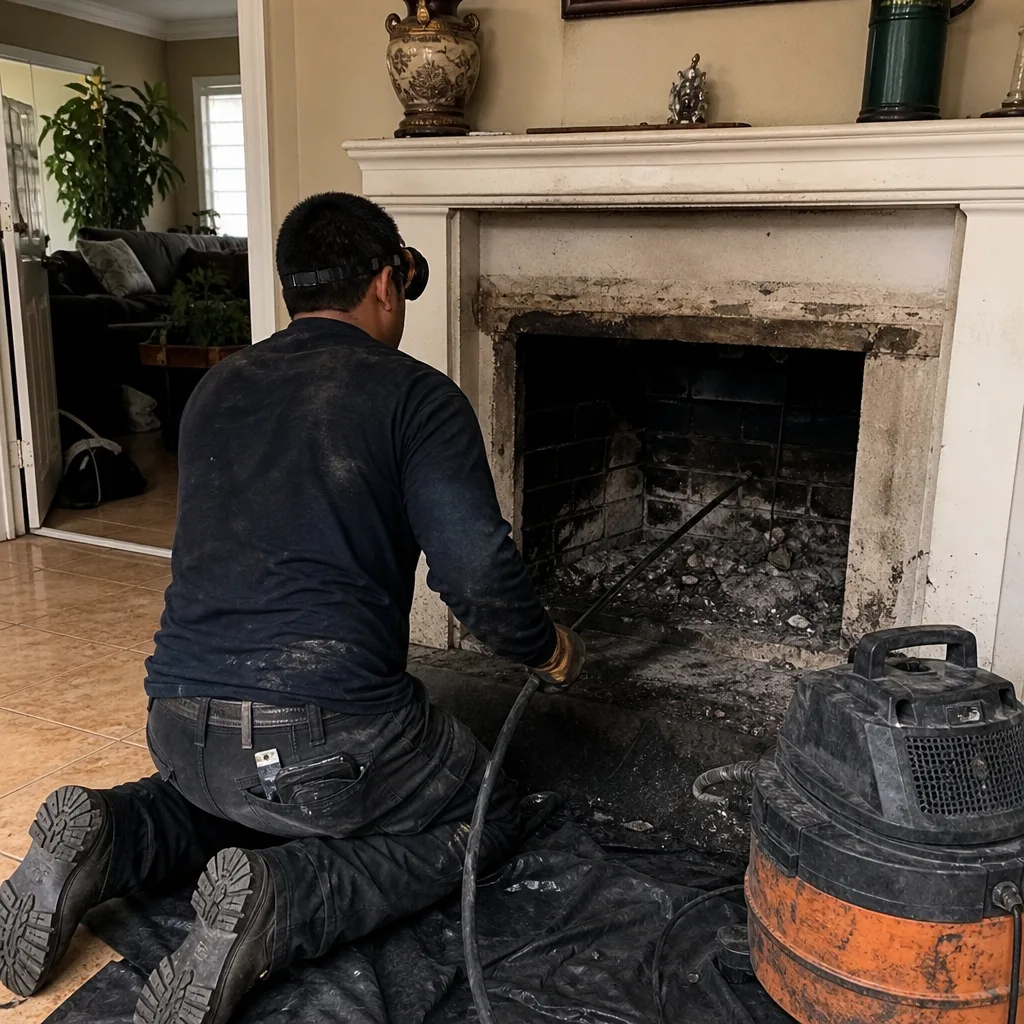 Before
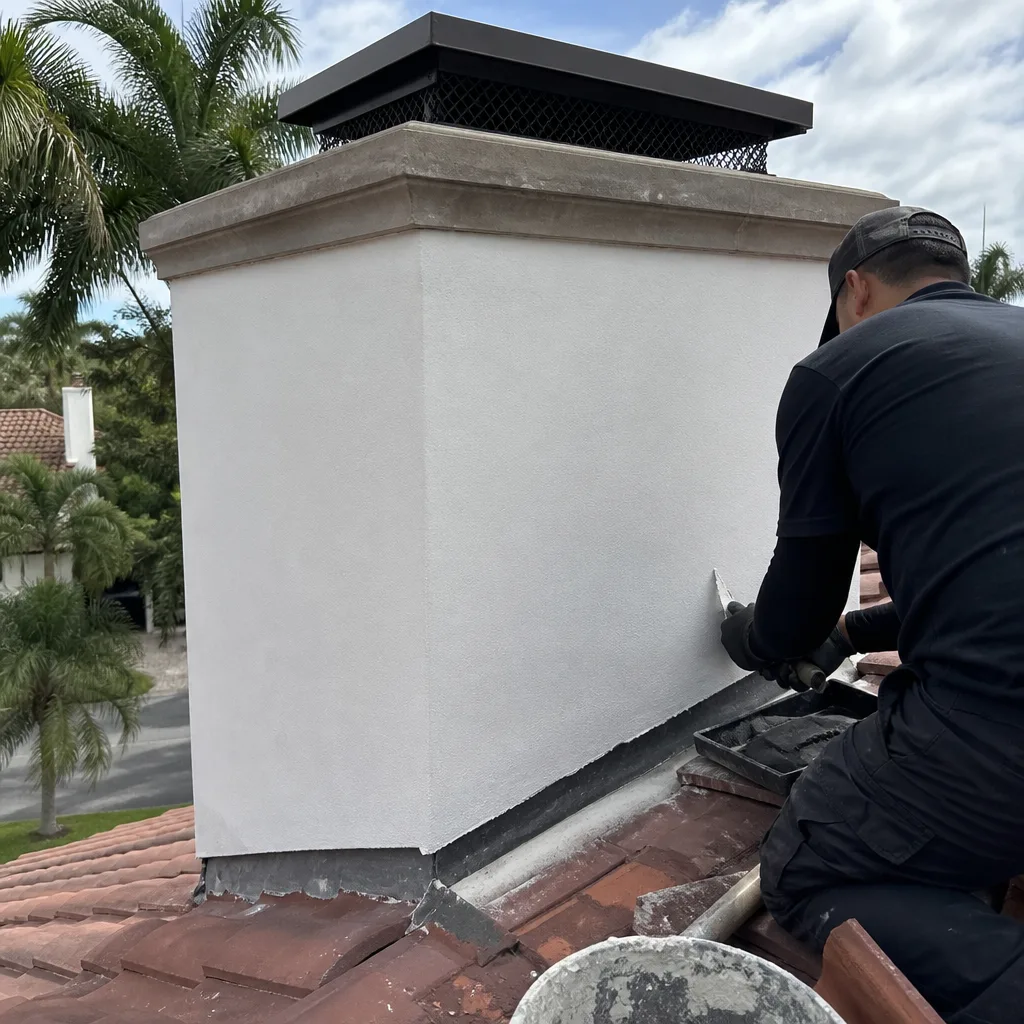 After
After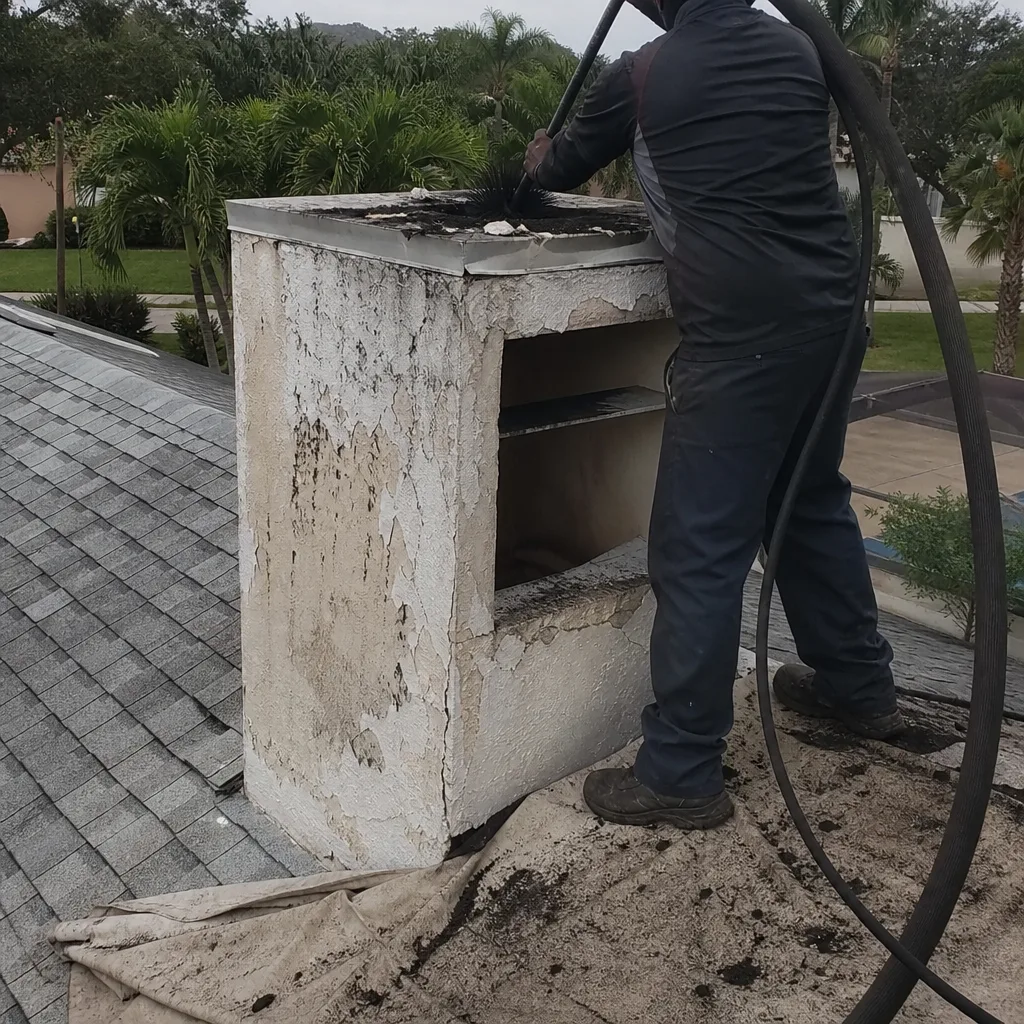 Before
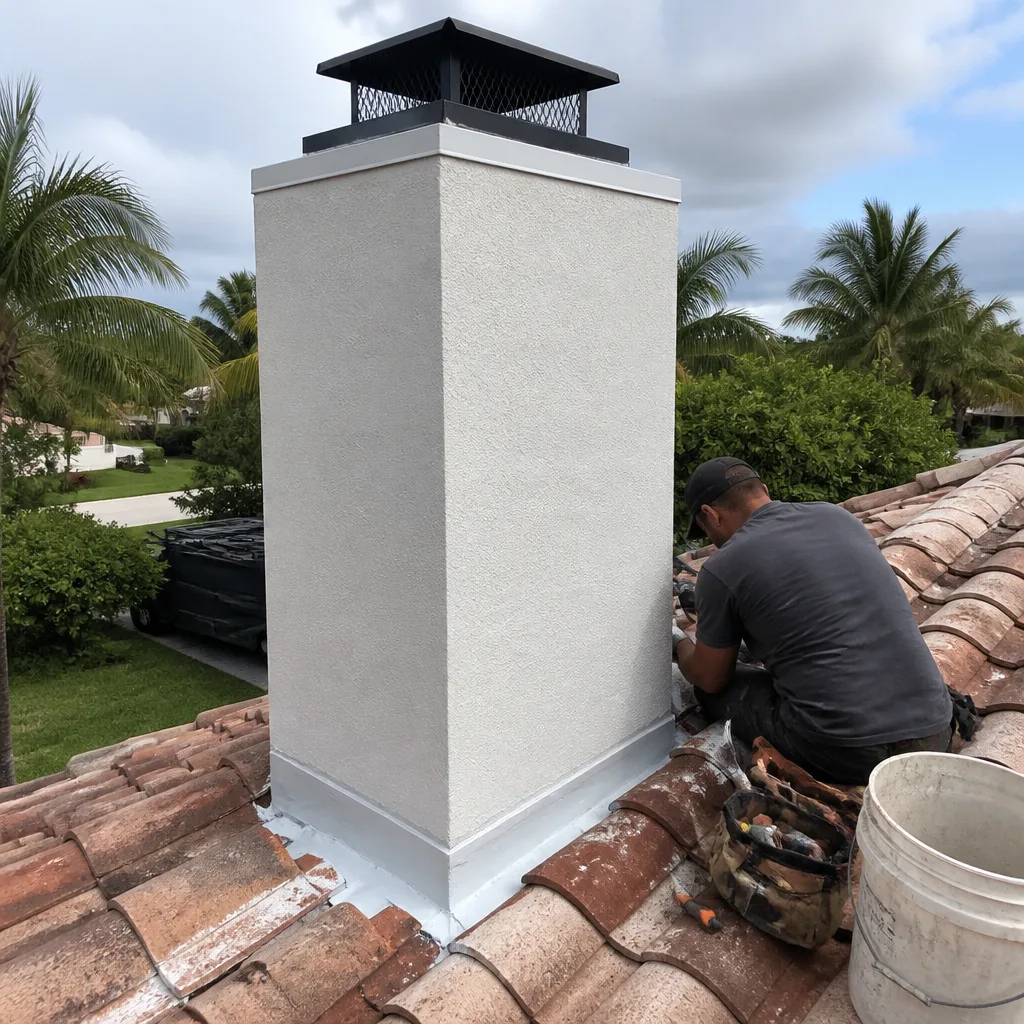 After
After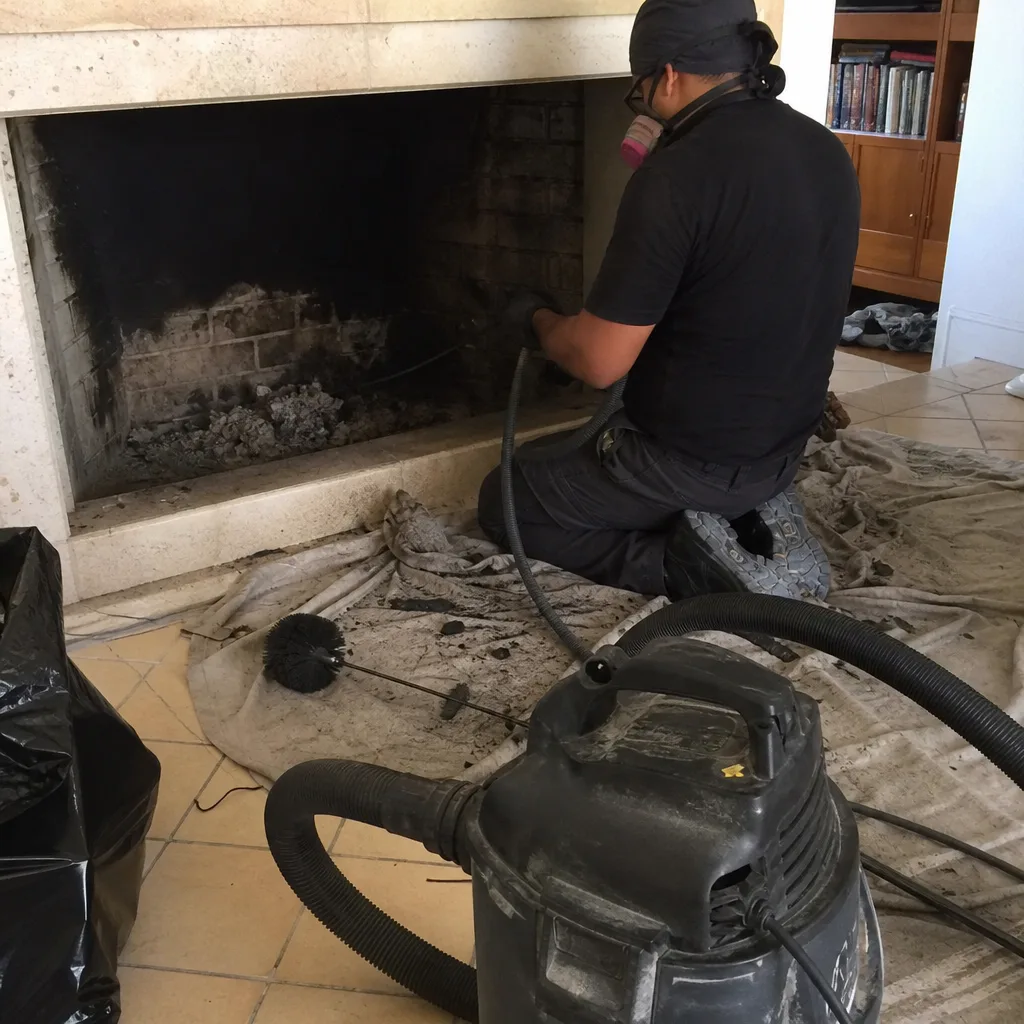 Before
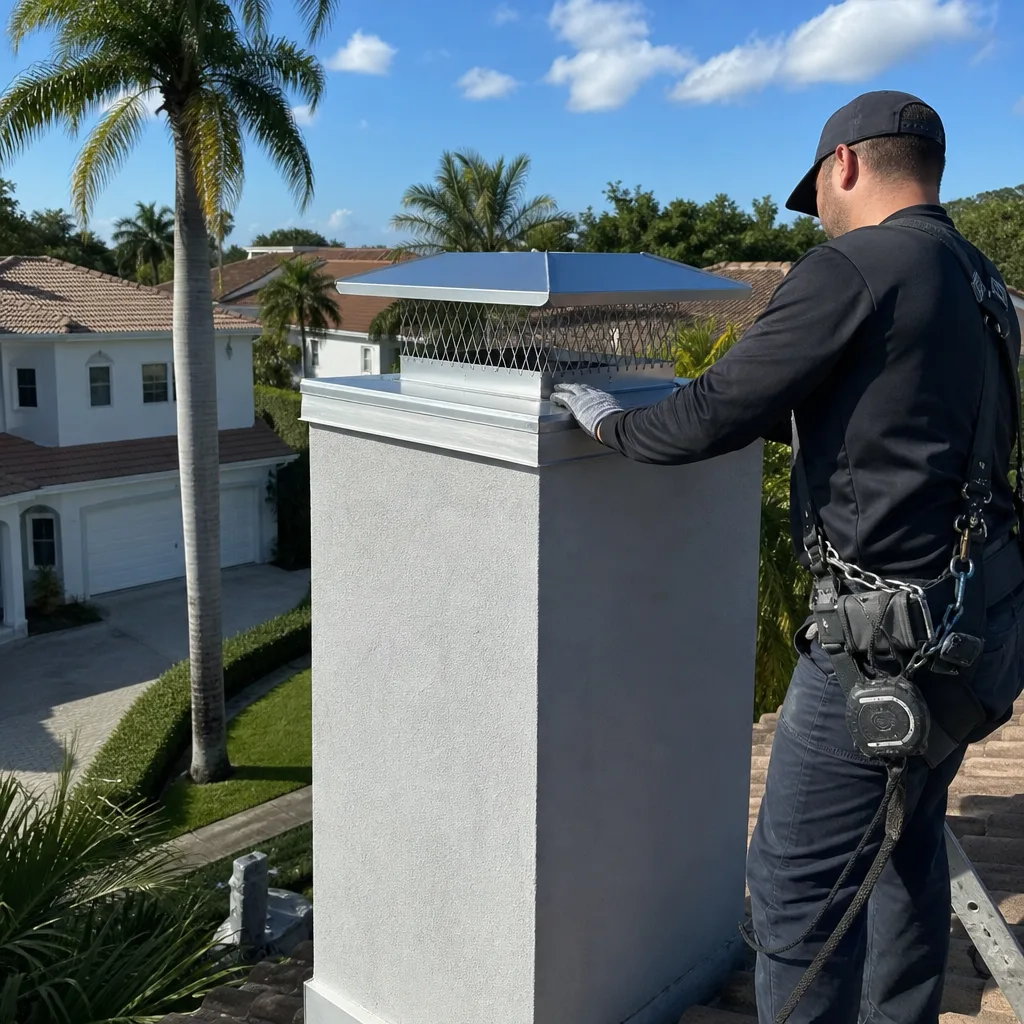 After
AfterReplacement Cost & What’s Included
In Miami, a HeatShield-related flue liner replacement runs $1,900 to $4,200 installed. The range depends on three things: the diameter and height of your flue (a 6-inch by 25-foot run costs less than a 13-inch by 40-foot run), access (second-story roof work or a chase that requires staging adds labor), and whether we need to remove failed HeatShield material or old clay tiles before dropping the new liner.
Every quote we give at Ashby Chimney Miami includes the liner, all termination hardware, the labor, the cleanup, and the camera inspection before and after. What it doesn’t include is surprises. We write the price before we start, and the number on the invoice matches the number we quoted at the door. That’s the Kingswell Way: say the price, show up in the window, leave it cleaner, put the guarantee in writing, come back if it fails.
DIY or Call Us?
Here’s our honest take, and we’ll say it plainly: replacing a flue liner is not a weekend job and not a ladder-and-a-flashlight job. You’re working inside a vertical chimney chase, often on a sloped Miami barrel tile roof, handling stainless steel sections that have to be mechanically connected and properly terminated. Doing this wrong means carbon monoxide risk, chimney fire risk, or a liner that pulls apart at the seams the first time it heats and cools. We’re not being dramatic. We’ve pulled DIY liners out of flues where the sections were held together with sheet metal screws from Home Depot and no termination cap at all.
What you can safely do: look for the rust, the smell, the staining. See moisture or white chalk on the brick? Make a note of where. Then call us at (850) 787-8597 and we’ll put a camera up there and show you exactly what’s going on before anyone touches anything. You should never have to take a contractor’s word for a liner failure. You should see it with your own eyes.
FAQs
In Miami’s humidity and salt air, we tell homeowners to expect 8 to 14 years from a HeatShield application before the underlying flue needs real attention. That’s shorter than dryer climates because the constant wet-dry cycling stresses the bond between the HeatShield coating and the clay tiles. If you’re at year ten and seeing any of the symptoms above, it’s time for a camera inspection. Call (850) 787-8597 and we’ll schedule one.
Sometimes. If the HeatShield has delaminated in a small, isolated area and the underlying flue is still structurally sound, a localized repair can work. But if the clay or steel underneath has shifted, cracked, or deteriorated, patching the HeatShield is money that won’t last. We’ll show you the camera footage and let you decide. We’d rather lose a repair job than sell you something that fails in two years.
Most Miami liner replacements are done in one day, start to finish. We arrive with everything on the truck, including the liner sections, the cap, and all hardware. The only variable is if we have to remove failed material from the old flue first, which can add a few hours. We tell you before we start exactly what we’re doing and how long it’ll take.
We stock stainless steel flue liner in the common Miami sizes, 6-inch and 7-inch, plus the hardware and caps, on every truck. We also keep materials from DuraFlex, Gelco, Olympia Chimney, Famco, and Copperfield on hand so we can match what’s in your chase. If your flue is an odd size, we’ll have it in hand before we schedule the install. No three-week waits.
We’re Ashby Chimney Miami, and we carry the ash right in the name. If your HeatShield liner has failed, call (850) 787-8597 and talk to someone who’ll tell you the price first, then explain the work. Everything else is just noise.
Written by Nathan Corliss, Owner & Lead Chimney Technician, Ashby Chimney Miami at Ashby Chimney Miami, serving Miami and nearby areas.