
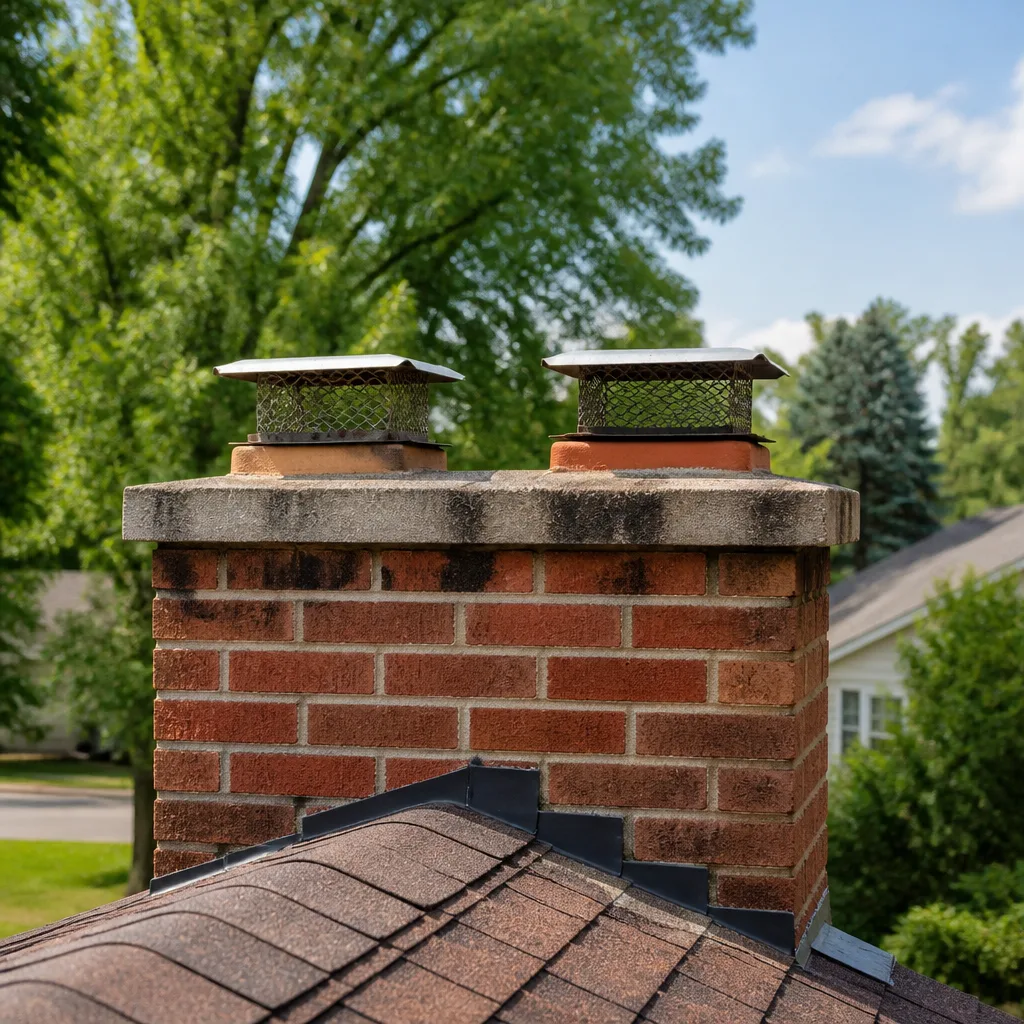
 Sweep & inspection
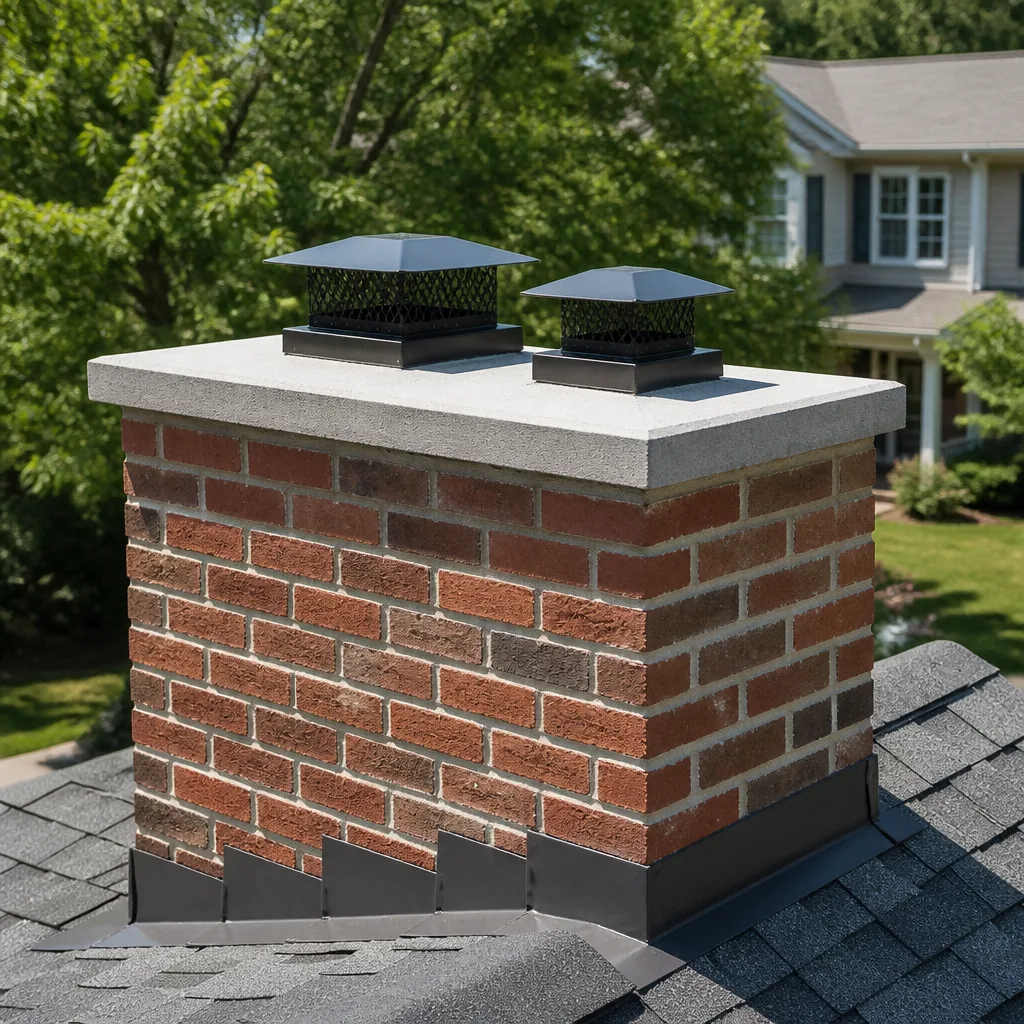 Caps & crowns
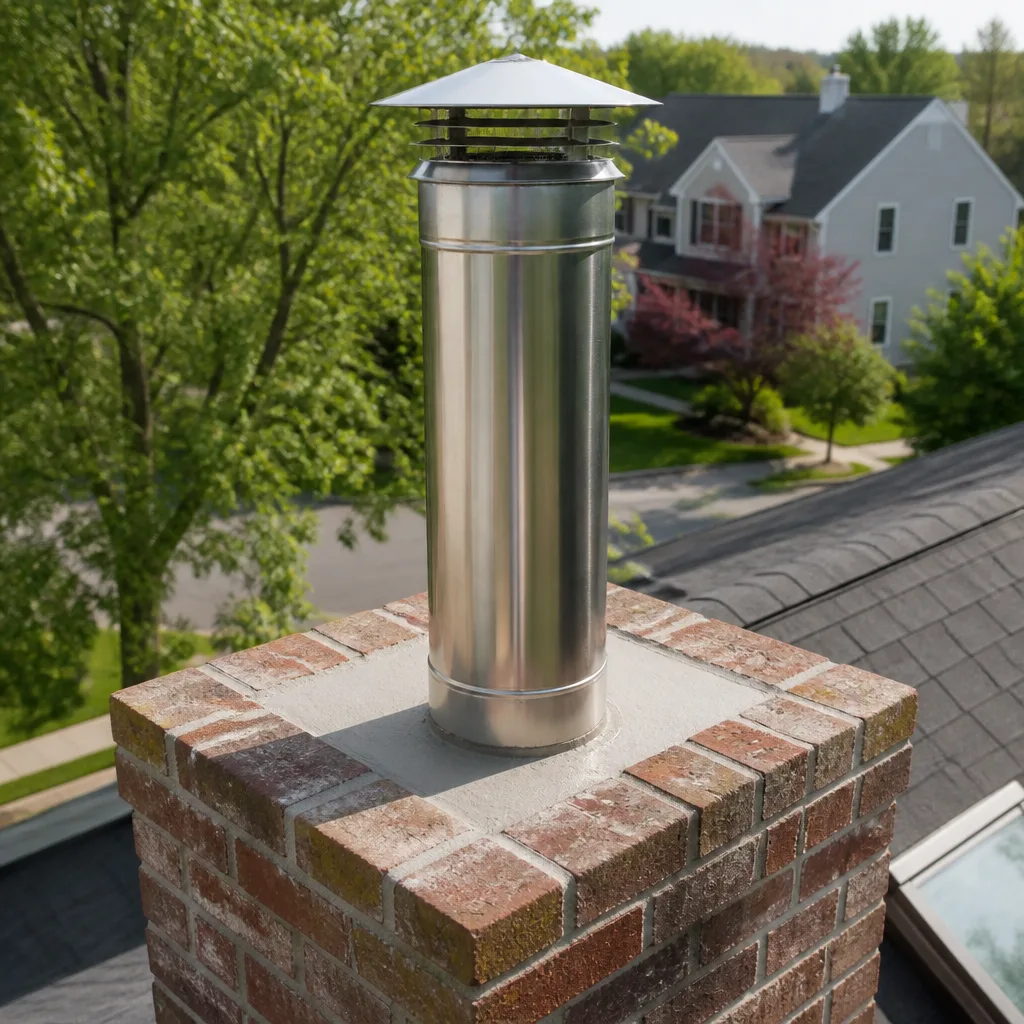 Flue relining
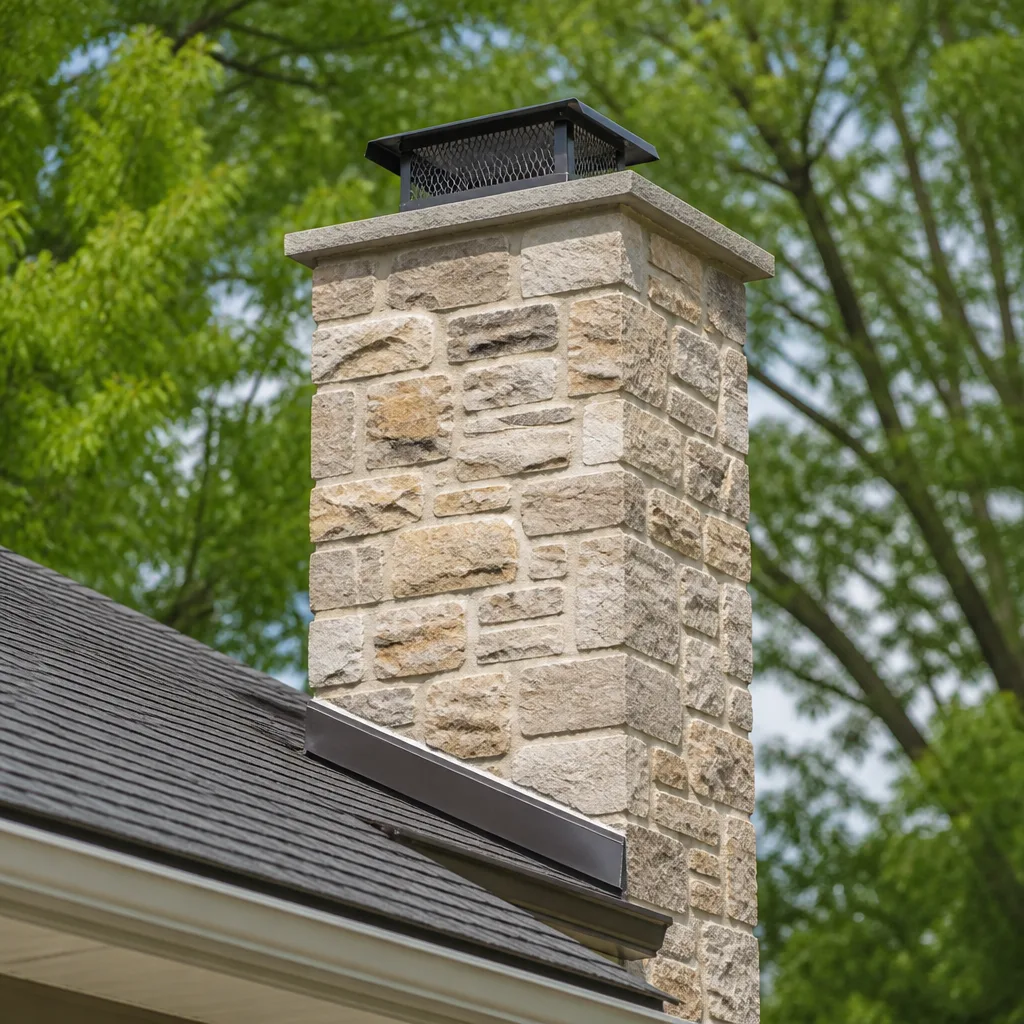 Masonry repair
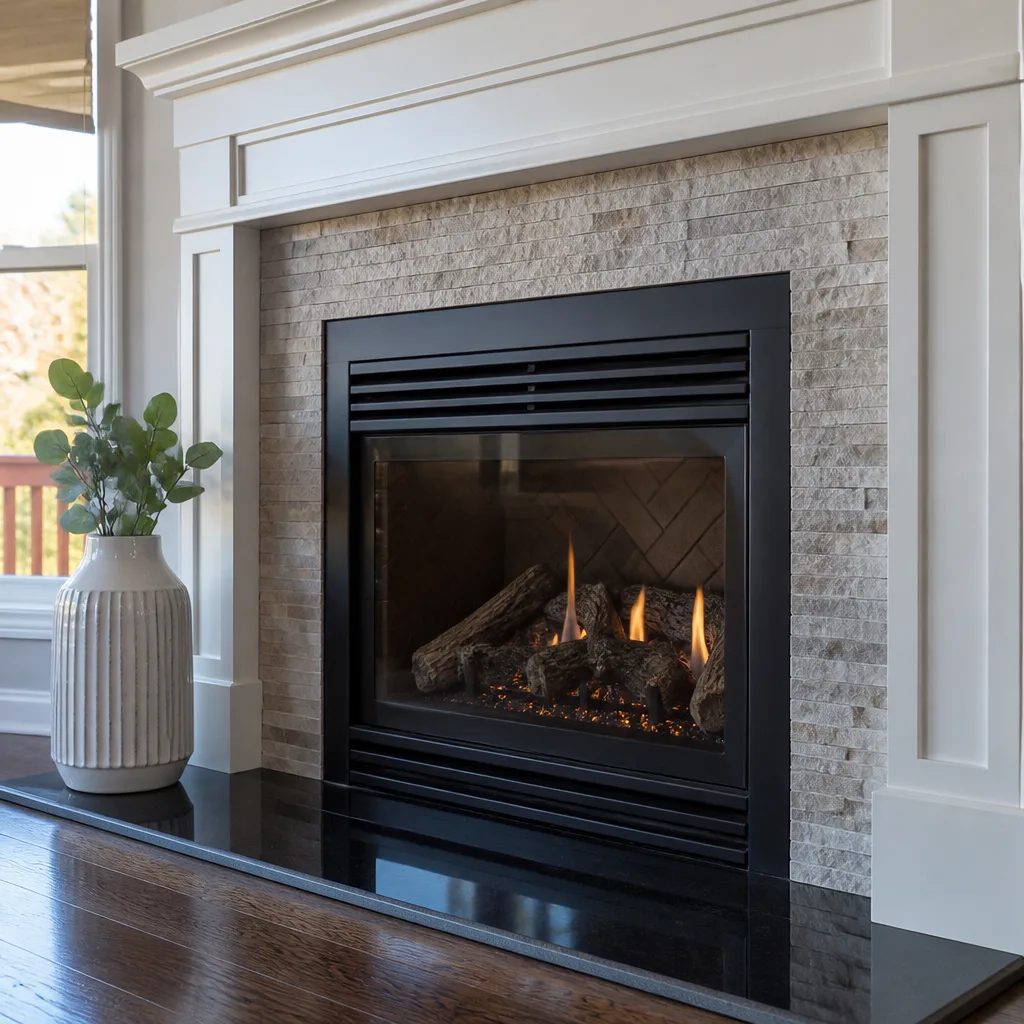 Gas fireplace service
Level 1 sweep and inspection to the NFPA 211 annual standard - flue, crown, cap, and flashing checked and photographed
Chimney sweep logs do not sweep chimneys. They loosen some creosote - which then falls where a brush and vacuum still have to collect it.
HeatShield Chimney Cap Installation: The Miami Owner’s Guide
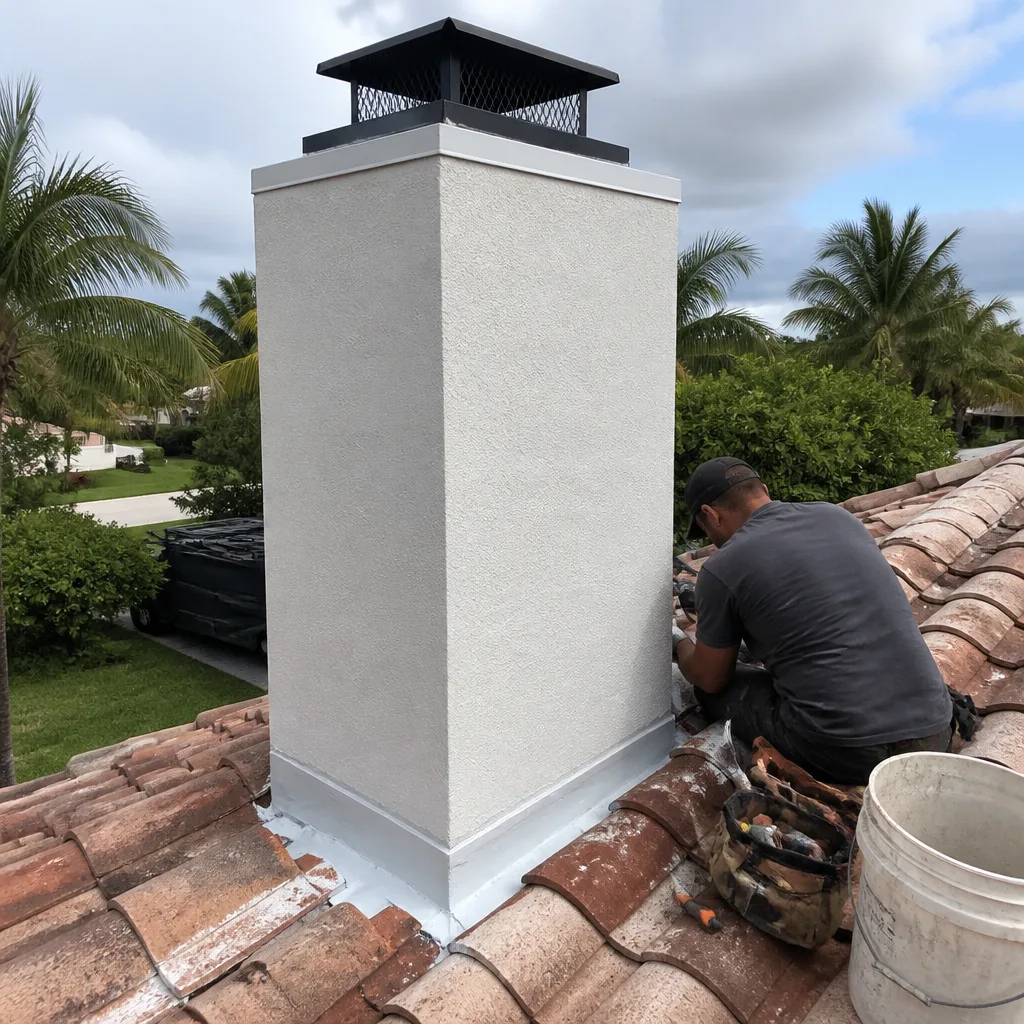
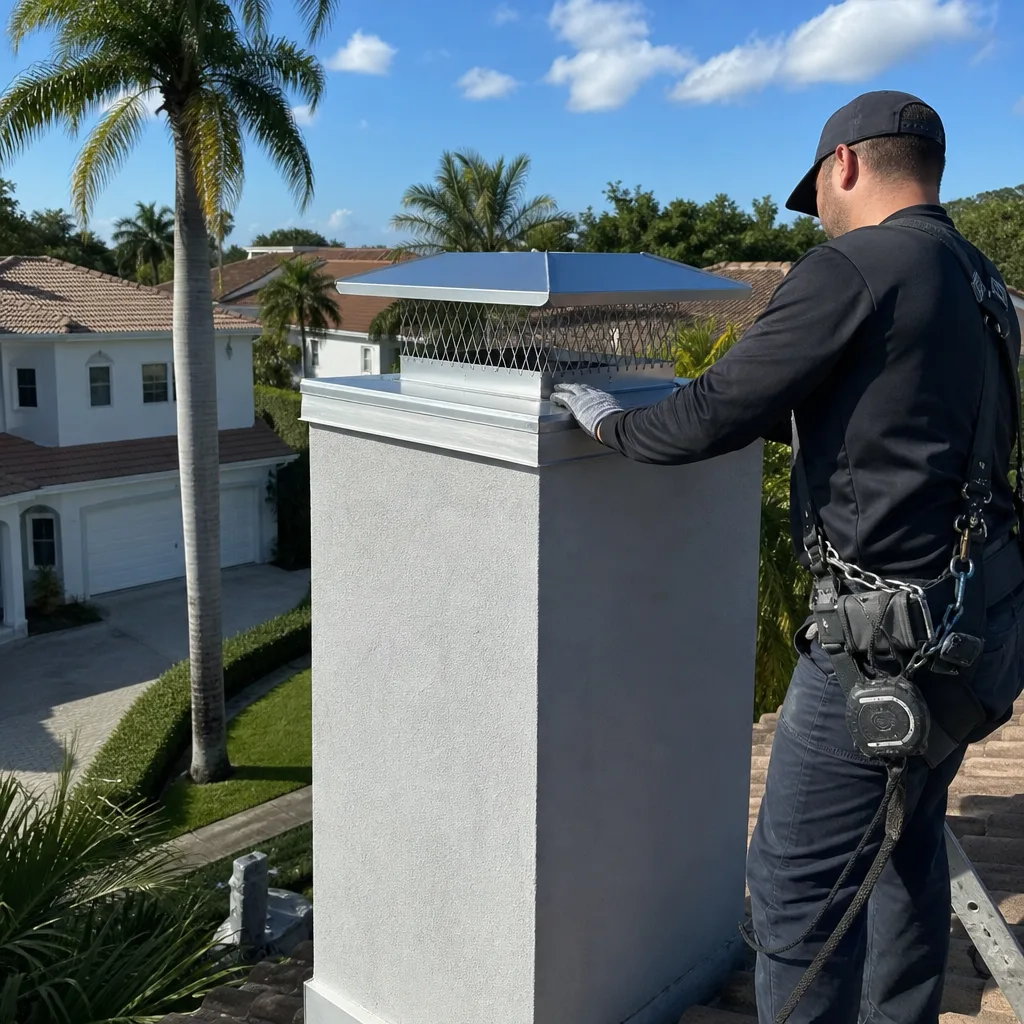
We install HeatShield-compatible chimney caps throughout Miami, with most cap installations running between $295 and $575 installed, depending on the flue size and the cap model you choose. We stock several HeatShield cap configurations on the truck, so it’s common for us to handle the swap in one visit. When a cap fails, most Miami homeowners spot it from the ground: a missing lid, a bent spark screen, or a cap that’s rusted through at the seams after a few seasons of salt air and afternoon downpours.
What You’ll Find on This Page
- Which HeatShield models this cap applies to and how to confirm yours
- The five most common failure signs and what’s actually happening up there
- Installed pricing for Miami, with what’s included and what changes the quote
- What’s safe to check yourself and what isn’t
- Straight answers on lifespan, repairability, and whether we keep these in stock
Styles & brands we work with
Which HeatShield Models This Applies To
HeatShield’s chimney cap line breaks into a few configurations: single-flue caps, multi-flue caps, and top-mount damper caps. The critical thing is flue diameter. HeatShield single-flue caps come in sizes that fit standard clay tile liners, typically 6-inch, 8-inch, and 13-by-13-inch or 13-by-18-inch flue openings, and the cap legs slide inside the flue tile to grip it. If your liner is oval or has an unusual outside dimension, you’ll want a multi-flue cap that mounts over the crown instead of inside the flue. That’s the compatibility point homeowners get wrong most often: measuring the outside of the chimney instead of the inside of the flue. For the replacement decision, we recommend OEM HeatShield caps when the existing cap is under a manufacturer warranty or when you want the exact factory look. We also carry quality equivalents from Gelco and Olympia Chimney when the lead time on an OEM unit doesn’t fit your schedule. Both routes get a written price before we touch anything.
Signs Your HeatShield Chimney Cap Installation Is Failing
- Rust-through on the lid or mesh. In Miami’s humidity, carbon steel components lose their galvanized coating fast. Once rust breaks through, the cap is on borrowed time; water will start getting into the flue. We see this most often on caps exposed directly to the east and south sun.
- Water in the firebox after a storm. A failing cap won’t always fall apart; sometimes it just isn’t covering the flue opening correctly anymore. Rain pooling at the base of the firebox is the classic tell. If we find water, we always check the cap first, then the crown, then the flashing.
- Animal debris or nesting material. A missing or loose cap door is an open invitation for Miami’s roof rats and birds. If you hear scratching in the chimney or find twigs in the firebox, the cap almost certainly has a gap. This one isn’t just an inconvenience: rodent waste in a flue becomes airborne particulate you don’t want circulating.
- Visible lean or loose fit. A cap that’s shifted or rocking isn’t doing its job. HeatShield caps grip the flue tile tightly, but if the tile has spalled or the cap was sized wrong originally, the whole thing moves. We correct this with the right-sized unit and, where needed, fresh crown sealant.
- Ember escape or strong draft on windy days. The spark screen’s job is keeping hot particles inside the flue. When the mesh has burned through or torn, embers can land on your roof or a neighbor’s dry landscaping. In Florida’s dry spring months, that’s a fire hazard worth taking seriously.
See the difference
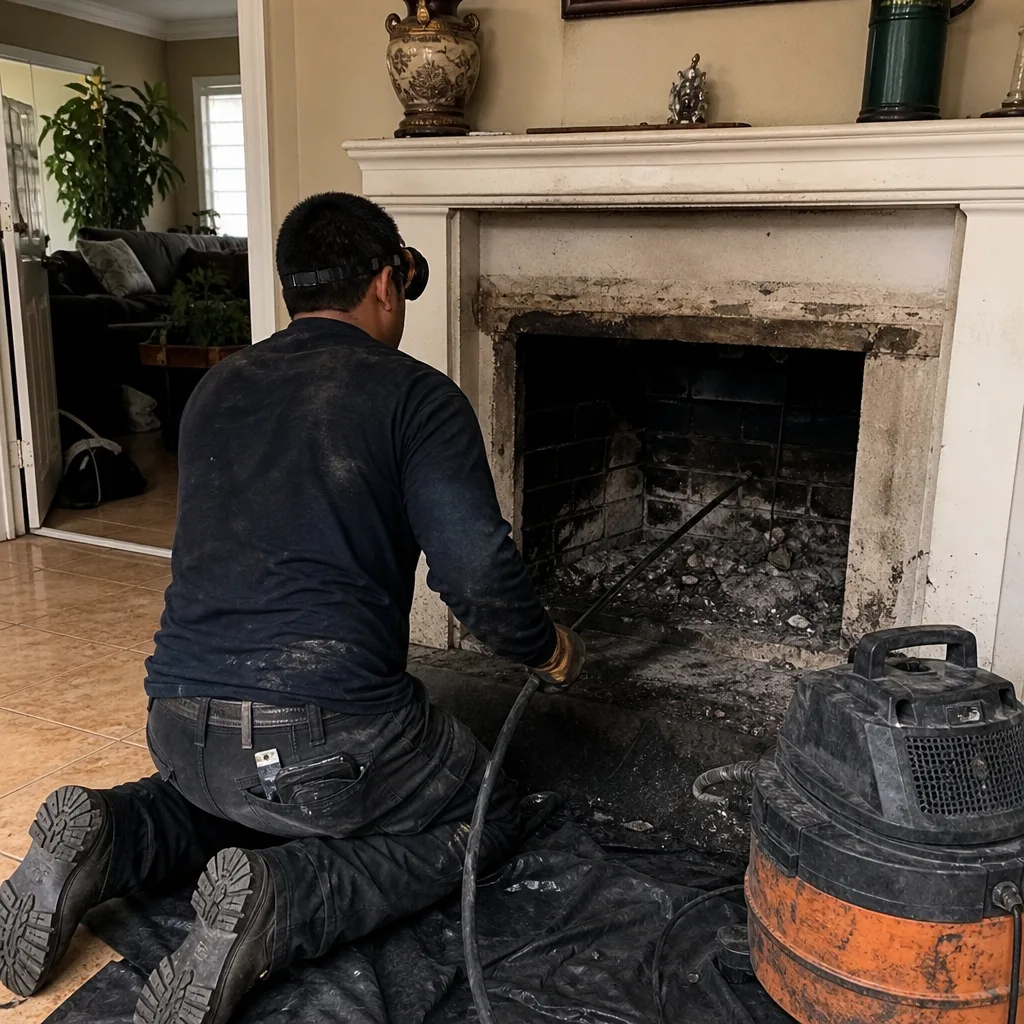 Before
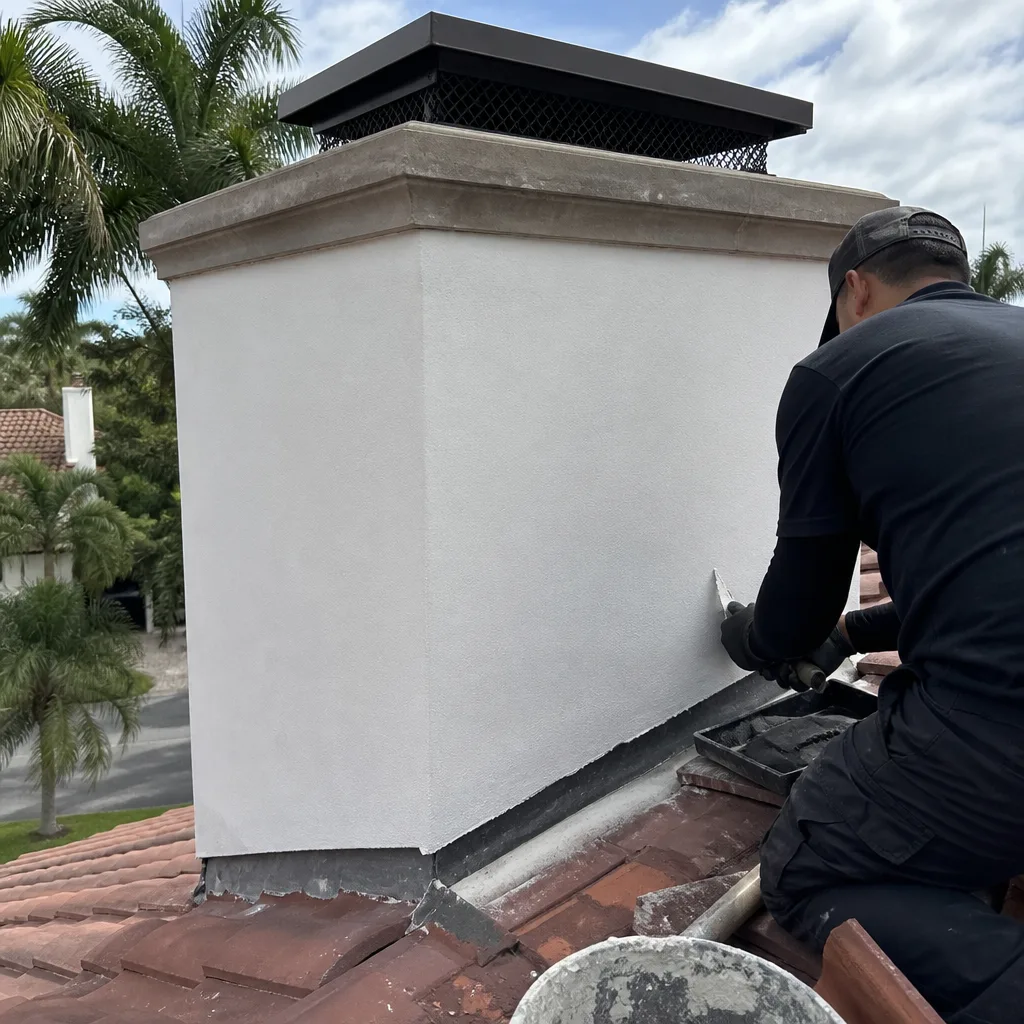 After
After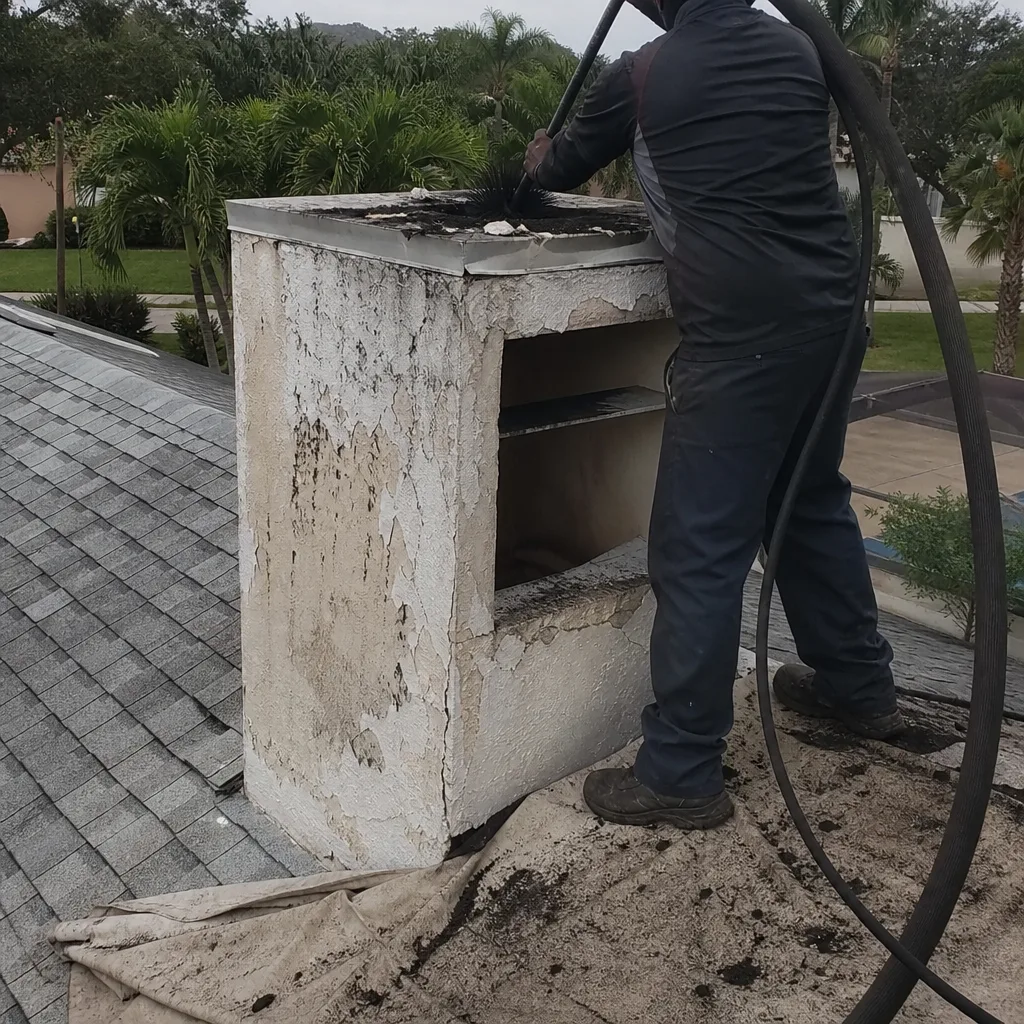 Before
 After
After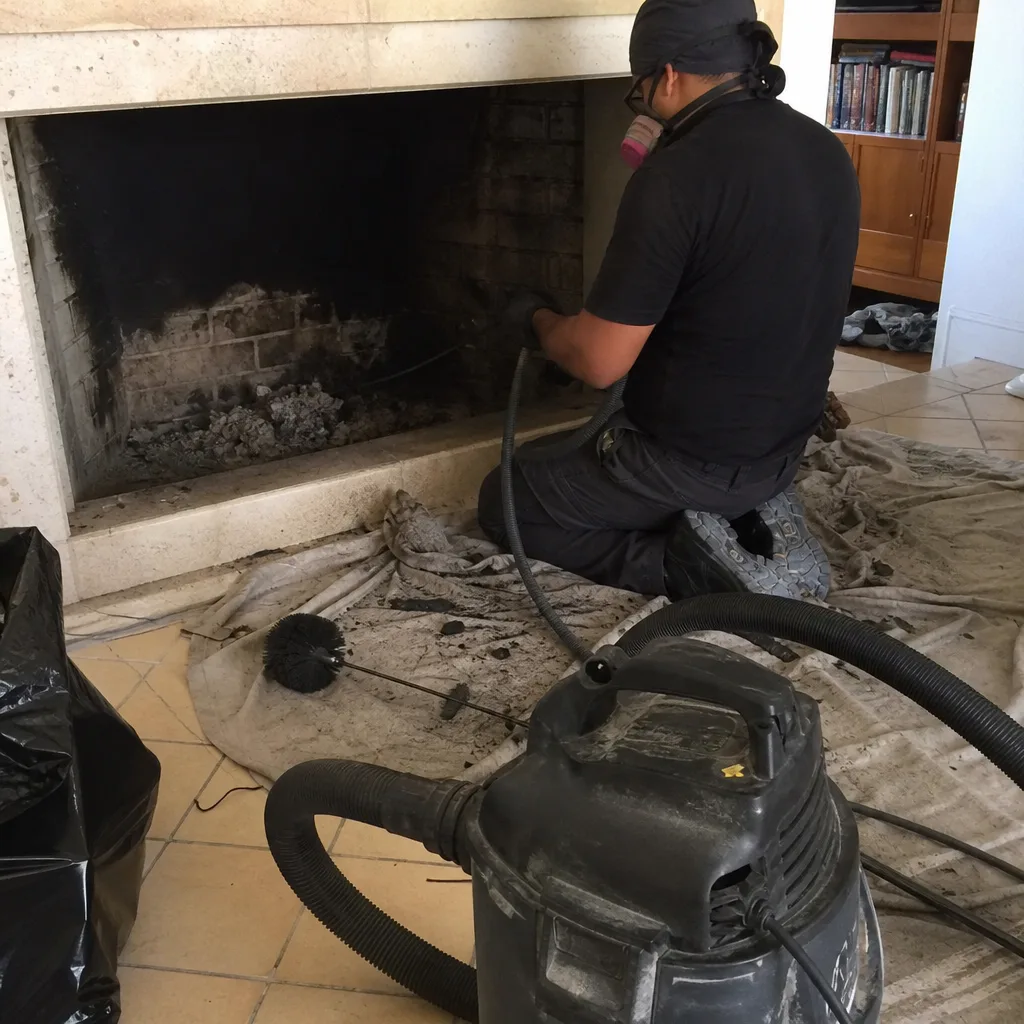 Before
 After
AfterReplacement Cost & What’s Included
For a standard HeatShield single-flue cap, expect to pay between $295 and $575 installed in the Miami area. The two main drivers are flue size and roof access: a 6-inch cap on a one-story walkable roof sits at the bottom of that range, and a multi-flue cap on a two-story with a steep pitch lands at the top. The price you get from us is the price on the invoice; every job includes removal of the old cap, verification of the flue size, installation of the new cap, and a written guarantee. If the cap fit fails or the unit defects inside the guarantee period, we return and correct it at no charge, which is the 365-Day Done Right Promise in writing. If you need flue repairs or crown work at the same time, we’ll tell you before we start and give you that price separately, so you always know what you’re approving.
DIY or Call Us?
If you’re comfortable on a ladder, you can check the cap from the edge of the roof: look for rust, missing hardware, and whether the lid is still seated. You should not, however, attempt a cap swap on a second-story roof or any roof with a steep pitch without full fall protection. The other factor most Miami homeowners don’t weigh is access: many chimneys here are boxed in by barrel tile, and walking that tile incorrectly cracks it. We carry the right ladders, roof pads, and safety rigging for South Florida roof types, and we’re in and out in under an hour on most single-flue replacements. If you’d rather not risk a fall on a roof you don’t fully trust, call us at (850) 787-8597 – estimates are free, and we’ll give you a written price before any work is scheduled.
FAQs
In Miami’s coastal environment, a well-installed stainless cap lasts 8 to 12 years on average, while galvanized steel models often need replacement in 5 to 7 years due to salt exposure and high humidity. We recommend an inspection with your annual sweep so corrosion is caught before it becomes a water leak. If you’re replacing a cap that failed early, ask us about stainless options; they cost more upfront but hold up far better in this climate. Call us at (850) 787-8597 and we’ll tell you what’s realistic for your specific chimney.
Most cap failures we see are not economically repairable; once the mesh has burned through or the lid has rusted, patching rarely outlasts a season in Miami’s wet, salty air. There are exceptions: a missing damper plate or a loose clamp can sometimes be replaced as a component. We’ll always tell you if a repair makes sense, and we’ll show you the damage so you can see what we’re seeing before you spend a dollar.
For a standard single-flue HeatShield cap on a one-story roof, the swap takes 45 to 60 minutes from setup to cleanup. Two-story homes and multi-flue caps run up to two hours. You don’t need to be home for the work if we can access the roof, but we always confirm before climbing. We’ll give you the arrival window when you book, and the phone is answered by a person around the clock.
We keep the most common HeatShield sizes in our truck inventory, so single-flue caps in 6-inch and 8-inch are often done same-visit. For multi-flue caps, custom sizes, or a specific HeatShield finish that isn’t standard, we order the part and schedule the install once it arrives, typically within five to seven business days. We also carry compatible caps from DuraFlex and Gelco, so we can almost always get your flue covered without a long wait on a backordered HeatShield part. Call (850) 787-8597 and we’ll check what fits before you commit to anything.
Written by Nathan Corliss, Owner & Lead Chimney Technician, Ashby Chimney Miami at Ashby Chimney Miami, serving Miami and nearby areas.